
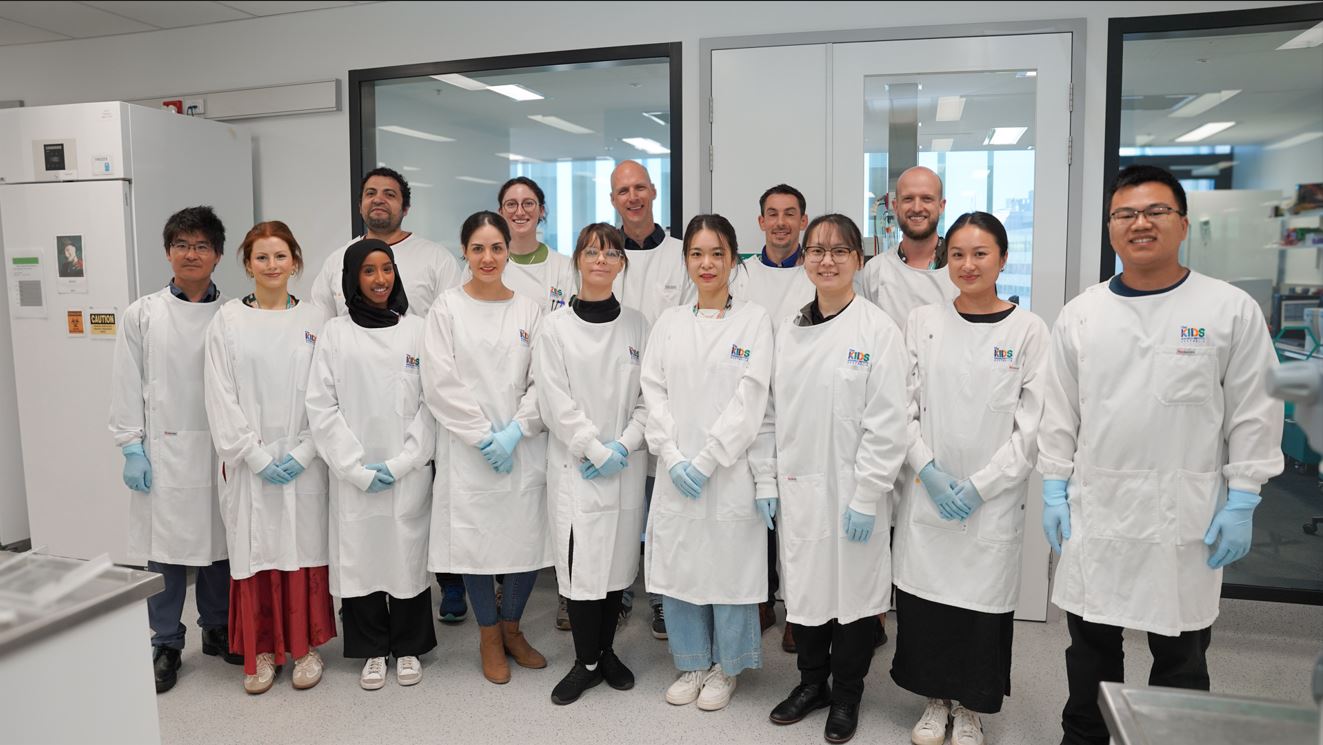
Our team features expertise across solid cancers - including sarcoma and immunotherapy research, using pre-clinical models, and systems immunology to address high relapse rates and develop innovative therapies for childhood cancers.
Sarcoma and other solid cancer research
Sarcomas are a heterogeneous group of cancers of the bone, muscle, or connective tissue. About 15% of cancers in children and adolescents are sarcomas, whereas only 1% of cancers in adults are sarcomas. Although many sarcomas can be cured with standard therapy, the relatively high incidence of the disease in younger people and the frequency of recurrence make the development of more effective therapies a high priority.
The Sarcoma Translational Research team aims to identify new treatments for young people with solid cancers. In particular, we are developing targeted therapies and immunotherapy approaches.
Immunotherapy
In addition to sarcoma-specific research, our team includes researchers focused on developing immunotherapies that can be applied across a range of childhood cancers, such as brain cancer, leukaemia, and neuroblastoma. Immunotherapy is an exciting treatment that uses the body’s own immune system to fight cancer. While it has shown promising results in adults, there is a pressing need to adapt these therapies for children. We are working to address this gap by developing safer, more effective treatments that reduce or eliminate the need for toxic chemotherapies and radiotherapies.
Through close collaboration across the laboratory and oncology clinic at Perth Children’s Hospital, we are discovering how to harness the immune system to target cancer more effectively.
Collaborative and innovative research
To date, the treatment discovery approach for cancer has been incredibly adult-biased, which is reflected in the dismal number of new treatments approved for children. One important reason for this lack of progress is that in cancer drug discovery, children are treated as “small adults”. Without exception, therapies are developed in adult animal models, then tested in adult clinical trials, with trials in children only occurring later, if at all. Several exciting new therapies, including immunotherapy, are showing remarkable results for many adult cancers, with disappointing results in children. To tackle this challenge, the Centre has established world-first paediatric mouse models for all childhood cancer types, that more accurately represent the biology of kids.
By bringing together expertise in sarcoma and other solid cancer biology, immunology, and our unique paediatric mouse models, we aim to discover groundbreaking treatments that will improve survival rates and long-term outcomes for children with sarcoma and other cancers.
Team leader
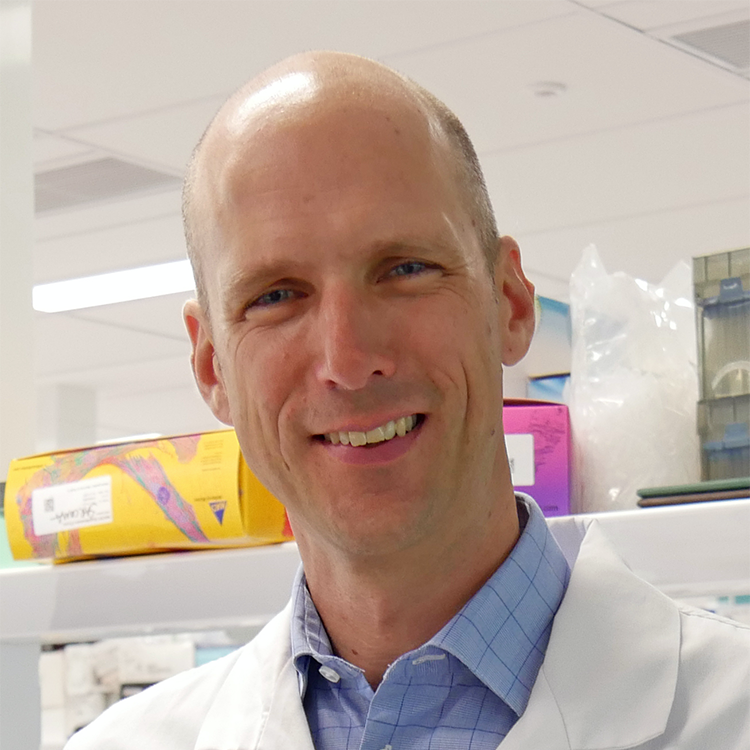
Head, Sarcoma Translational Research
Team members (21)
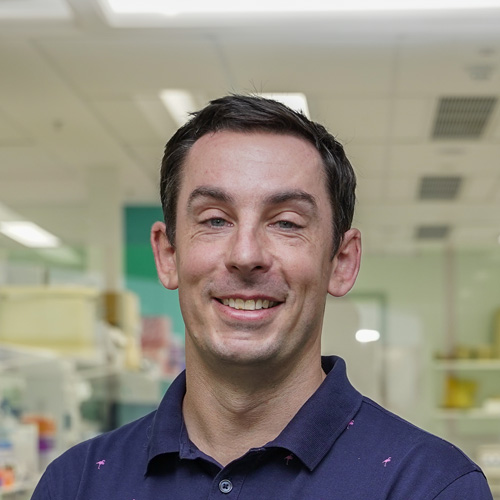
BSc PhD
PhD
Postdoctoral Research Fellow
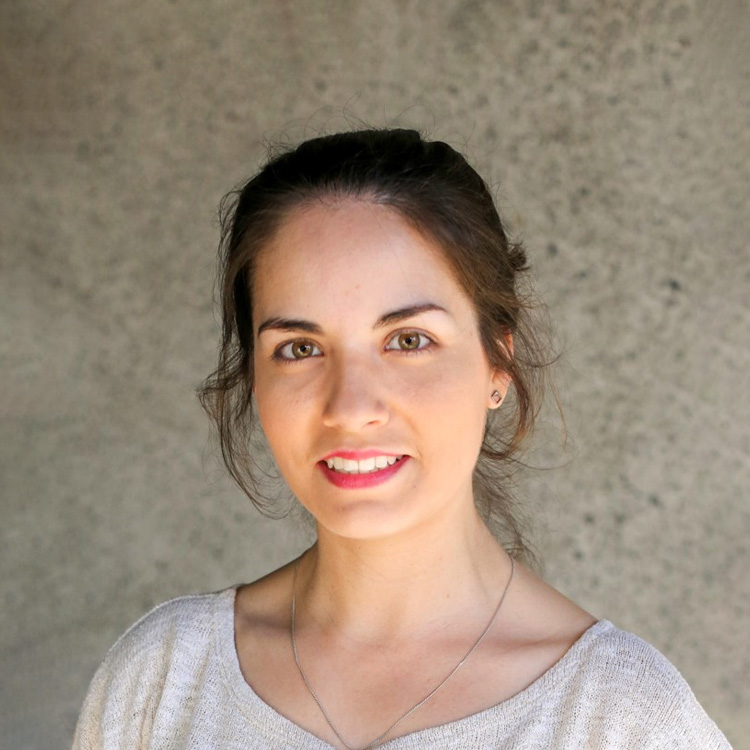
BSc, MSc, PhD
Postdoctoral Researcher
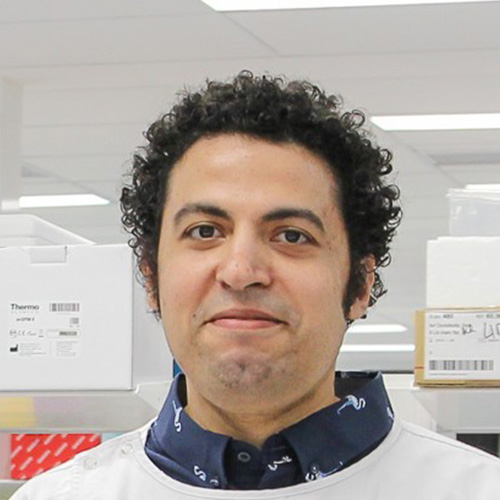
BSc, MSc, PhD
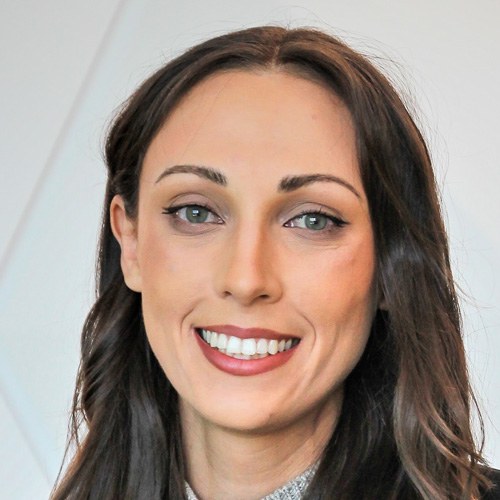
BSc (Hons), PhD

Dr Breana Vitali
Postdoctoral Researcher
Sajla Singh
Research Assistant
Jenny Truong
Research Assistant
Iley Johnson
Research Assistant
Xueting Ye
PhD Student
Neha Jain
PhD Student
Jorren Kuster
PhD Student
Samantha Barnes
PhD Student
Cenxi Gao
PhD Student
Juliet Schreurs
PhD Student
Wang Li
PhD Student
Mishka Bayar
Medical Student
Hannah Smolders
Casual Research Assistant
Febriana Ajelie
Casual Research Assistant
Francois Rwandamuriye
Honorary Team Member
Bree Foley
Honorary Researcher
Sarcoma Translational Research projects
Featured projects
The interplay between sarcoma and surgery-induced wound healing
In this project, we are using systems biology approaches to map the wound healing response in sarcoma following surgery to identify new treatments that can prevent sarcoma relapse.
Local immunotherapy for sarcoma
We are developing a gel that can be left behind in the wound bed after sarcoma surgery.