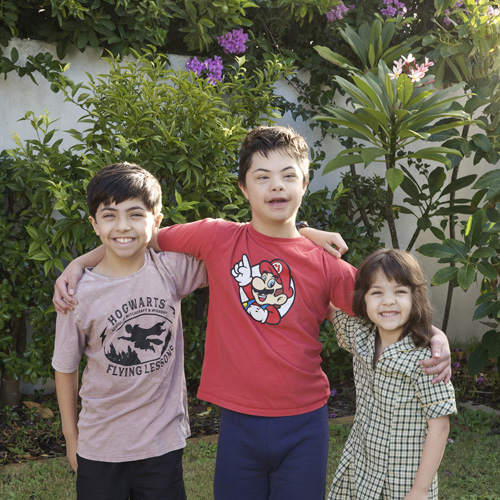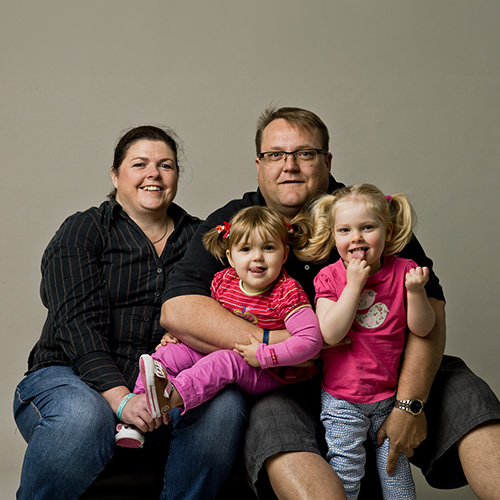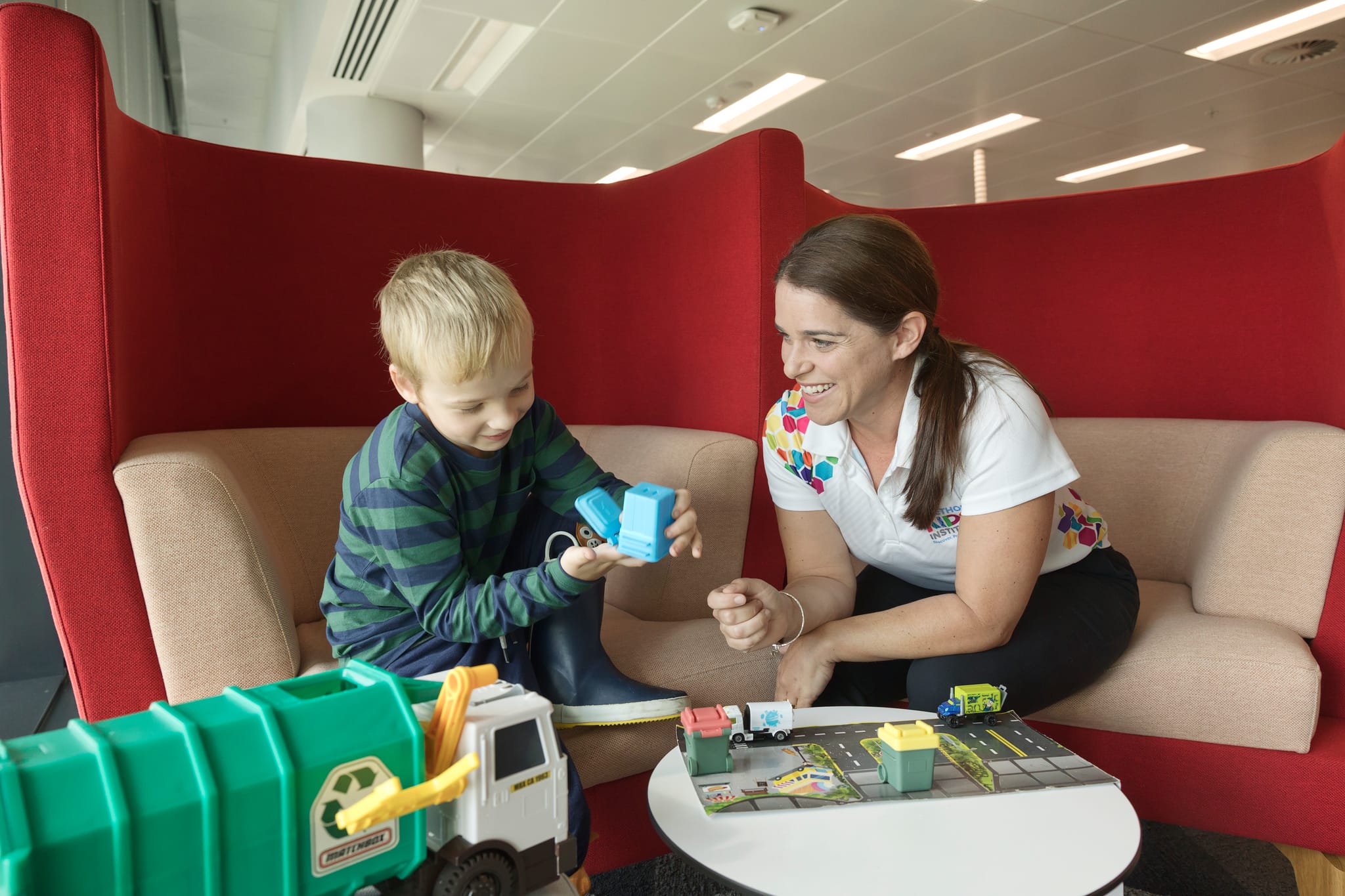
Around 1 in 10 children have a disability that impacts on their ability to function in the same way as other children.
Sometimes they are born with these disabilities, sometimes they develop after birth, and sometimes they are caused by illness or injury. There are many types of disability, including intellectual, neurological, physical, sensory, and psychological, which can influence how the child thinks, behaves, and develops skills.
Disabilities can create many barriers for children and their families, which can significantly alter their quality of life.
Our vision is that all children impacted by disability and their families will live their best lives. We will support this vision by conducting an evidence- and consumer-informed program of research, underpinned by excellence in study design, analysis, and reporting.
To achieve this vision, we will:
- Engage with children with disability and their families across all walks of life to better understand their needs,
- Prevent or reduce disability and ensure that our research helps support meaningful and impactful changes,
- Engage key stakeholders to improve access to services and influence policy and practice.
- Collaborate with the community, health professionals, service providers, researchers, and policy makers.
Team leader
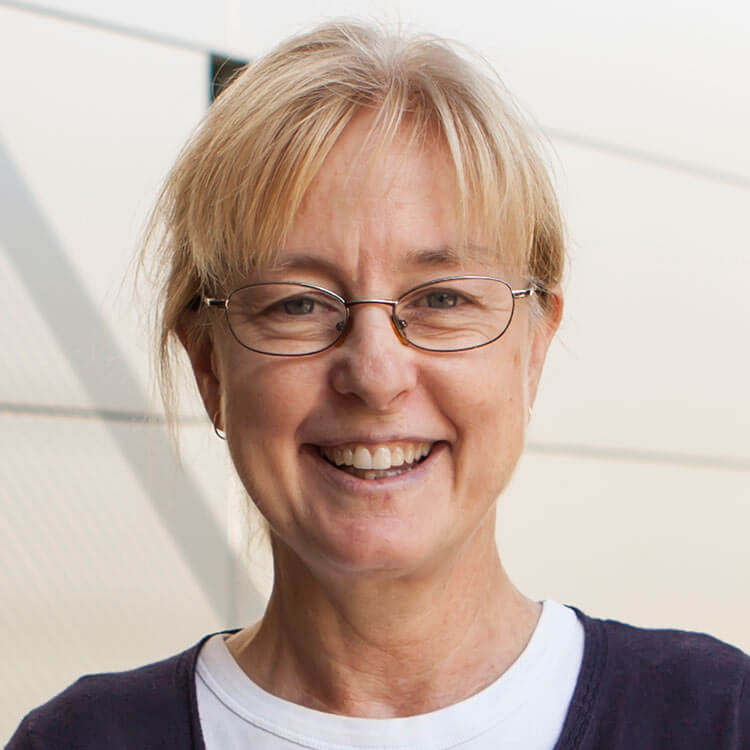
BApplSci (physio) MSc PhD
Team members (16)
MBChB MPH
BPsych BSc (Hons) PhD
Senior Research Fellow
PhD
Senior Research Officer

BSc (Hons), PhD
Senior Research Officer, Child Disability

B Psych (First Class Honours), PhD (Psychology)
Senior Research Officer

PhD
Senior Research Fellow
BPsych(Hons), PhD (Psychology)
Research Officer
BA (Hons) MSc
Biostatistician
MBChB., DipRACOG., Cert.HPRT, FRACP., PhD

BE MPH
Research Officer
B. App Sci (Physio.)
Research Officer

BDS, MDS, MFDS RCPS (Glasg.), DDPH RCS (Eng)

MBBS, MPH, MMedStat
Research Officer
BPsych MPH PhD Candidate
BSc(Hons)
PhD Candidate

Featured projects
IDEA (Intellectual Disability Exploring Answers) Database
IDEA is one of the few population-based resources in the world dedicated to intellectual disability. The IDEA database contains information on all children born in Western Australia since 1983 who have been identified with having an intellectual disability. Individuals with autism spectrum disorder, both with and without intellectual disability, are also included in the database. Deidentified information is accessed from the Department of Communities WA, the WA Department of Education, and the National Disability Insurance Agency (NDIA) to create the database. IDEA can be linked to other datasets to facilitate research into the determinants, outcomes and service needs of children and adults with intellectual disability. Researchers can apply for such linked data, available in a de-identified format under approval from an ethics committee.
Other projects