
Search
Children with difficult tracheal intubation are at increased risk of severe complications, including hypoxaemia and cardiac arrest. Increasing experience with the simultaneous use of videolaryngoscopy and flexible bronchoscopy (hybrid) in adults led us to hypothesise that this hybrid technique could be used safely and effectively in children under general anaesthesia.
Fasting for surgery is a routine step in the preoperative preparation for surgery. There have however been increasing concerns with regard to the high incidence of prolonged fasting in children, and the subsequent psycho-social distress and physiological consequences that this poses.
Adenotonsillectomy is one of the most common surgical interventions in children, and while generally safe, it is associated with a risk of significant adverse events. In this issue, Kim et al report a prospective randomized controlled study comparing preoperative use of a tulobuterol (longacting beta agonist) dermal patch with placebo on the incidence of perioperative respiratory adverse events (PRAEs) in children undergoing adenotonsillectomy.
Britta Regli-von Ungern-Sternberg AM FAHMS MD, PhD, DEAA, FANZA Chair of Paediatric anaesthesia, University of Western Australia; Consultant
The study aimed to better understand children's emergency perioperative experience, a little researched topic. Current literature shows discrepancies between child and adult perceptions for the same healthcare experience. Acquisition of knowledge from the child's perspective can be utilized to improve perioperative care.
Patients with a propensity for upper airway obstruction, including those with obstructive sleep apnea (OSA), are vulnerable in the perioperative period. OSA is an increasingly common disorder in children and, when present, is associated with an increased risk of perioperative respiratory adverse events (PRAE),1 morbidity, and mortality. Therefore, identifying at-risk patients is vital to provide tailored perioperative anesthetic management.
Tracheal intubation in neonates and infants is a potentially life-saving procedure. Video laryngoscopy has been found to improve first-attempt tracheal intubation success and reduce complications compared with direct laryngoscopy in children younger than 12 months.
Consumer-driven research is increasingly being prioritized. Aim: Our aim was to partner with consumers to identify the top 10 research priorities for pediatric anesthesia and perioperative medicine. The ACORN (Anesthesia Consumer Research Network) was formed to collaborate with children and families across Australia.
Anaesthesia related mortality in paediatrics is rare. There are limited data describing paediatric anaesthesia related mortality. This study determined the anaesthesia related mortality at a Tertiary Paediatric Hospital in Western Australia.
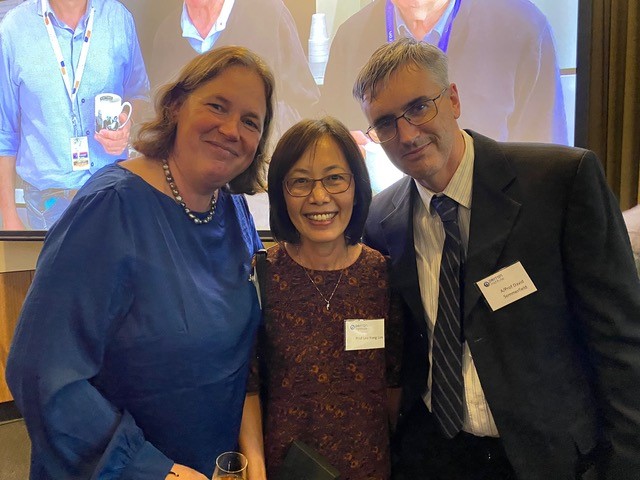
A research team dedicated to making anaesthesia and surgery safer and more comfortable for babies and children has been awarded an inaugural Byron Kakulas Medal by WA’s Perron Institute.