
Search
General movements (GMs) are part of the spontaneous movement repertoire and are present from early fetal life onwards up to age five months. GMs are connected to infants' neurological development and can be qualitatively assessed via the General Movement Assessment. In particular, between the age of three to five months, typically developing infants produce fidgety movements and their absence provides strong evidence for the presence of cerebral palsy.
Fidgety movements occur in infants between the age of 9 to 20 weeks post-term, and their absence are a strong indicator that an infant has cerebral palsy. Prechtl's General Movement Assessment method evaluates whether an infant has fidgety movements, but requires a trained expert to conduct it. Timely evaluation facilitates early interventions, and thus computer-based methods have been developed to aid domain experts.
ParticiPAte CP is a participation-focused therapy intervention that is effective to increase perceived performance of physical activity participation goals in children with cerebral palsy. We aimed to characterise the contents of ParticiPAte CP using validated behaviour change frameworks.
Chronic pain assessment tools exist for children, but may not be valid, reliable, and feasible for populations with functional, cognitive or communication limitations, for example, cerebral palsy (CP). This study aimed to (i) identify chronic pain assessment tools used with children and young people and rate their measurement properties; (ii) develop a CP specific feasibility rating tool to assess the feasibility of tools in CP; and (iii) categorise tools according to reporting method.
Much information exists about functions of the human placenta and about potential mechanisms by which the placenta may influence human health or disease...
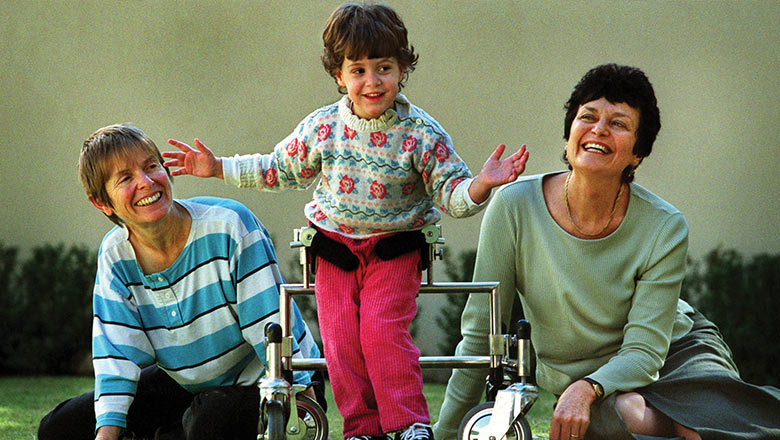
Cerebral palsy is not only the result of birth trauma and the lack of oxygen supply during delivery.
We have identified that CP registers often do not have quality data on congenital anomalies, necessitating linkage with congenital anomaly registers.
A downward trend in rates of CP in those born extremely preterm was evident over at least three consecutive periods across all three regions.
These findings will facilitate harmonization of data and collaborative research efforts, which are so necessary on account of the heterogeneity and...
Indigenous infants have a higher risk of CP than non-Indigenous infants, especially postneonatal CP.