
Search
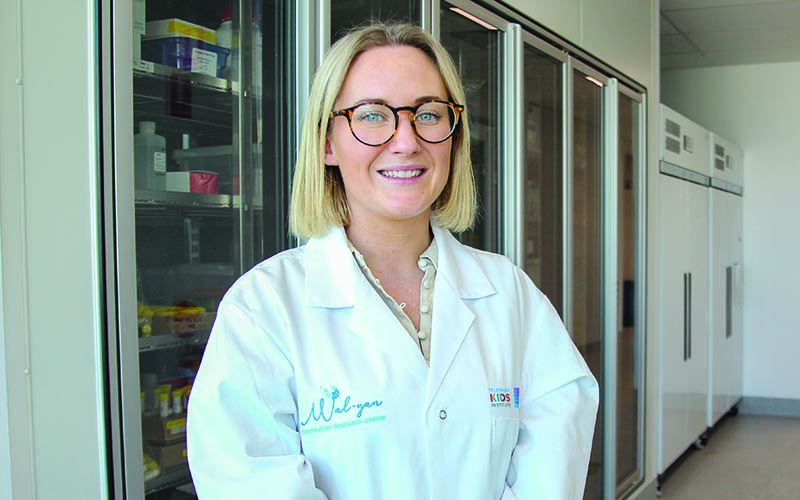
Researchers have made a world-first discovery on how to prevent severe respiratory infections in babies.
AEC-conditioned DC showed selective upregulation of chemokines that recruit Th1 cells, but minimal change in chemokines linked to Th2 cell recruitment.
The objective of this study was to elucidate the molecular networks that underpin virus-induced exacerbations in asthmatic children in vivo.
The objective of this study was to elucidate the molecular networks that underpin virus-induced exacerbations in asthmatic children in vivo.
Anya Deborah Pat Jones Strickland Holt BSc MSc PhD PhD PhD, DSc, FRCPath, FRCPI, FAA Honorary Research Associate Head, Pregnancy and Early Life

Honorary Research Associate
Alexander Anthony Deborah Pat Larcombe Kicic Strickland Holt BScEnv (Hons) PhD BSc (Hons) PhD PhD PhD, DSc, FRCPath, FRCPI, FAA Honorary Research
HRV-1B infection directly alters human airway epithelial TJ expression leading to increased epithelial permeability potentially via antiviral response of IL-15
IRF7 regulates the expression of genes involved in antiviral immunity, inflammation, and the response to oxidative stress during HRV infections in HBE cells
In addition to its role in blocking TH2 effector activation in the late-phase allergic response, IL-10 is a known IgG1 switch factor