
Search
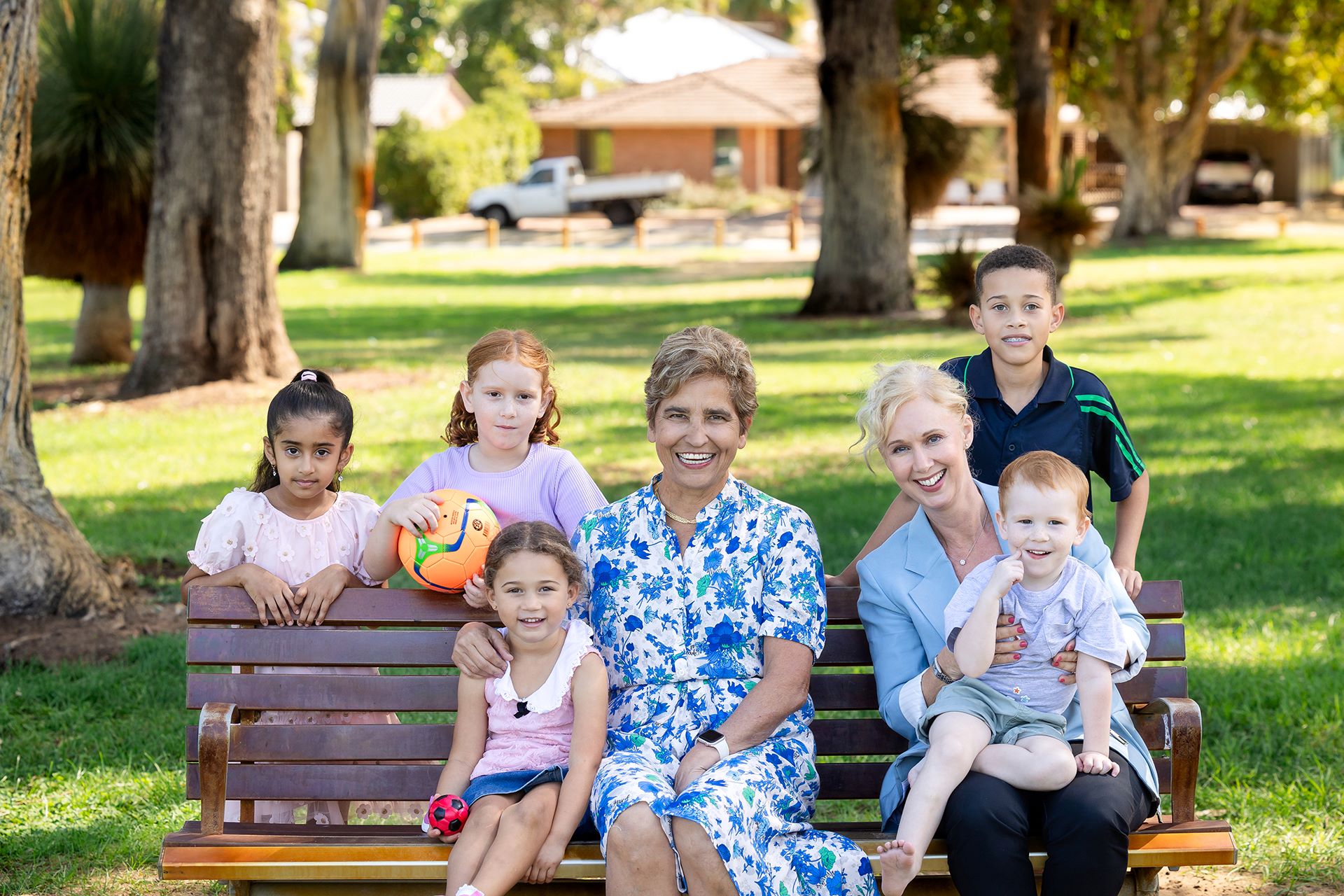
ORIGINS is Australia's largest longitudinal cohort study of its kind. Following 10,000 WA children from their time in the womb into early childhood, ORIGINS researchers are working to better understand when and why non-communicable diseases develop, and provide solutions for early intervention to ensure every child and family flourishes throughout their lifetime.
To describe the infant and maternal characteristics of the Early Moves cohort and to assess representativeness to the general population, and to evaluate the implementation fidelity of an application-based collection of General Movement Assessment (GMA) videos at writhing and fidgety age.
Meta-analyses of randomized controlled trials have found that introducing eggs and peanuts earlier during infancy reduced egg and peanut allergy risk. Hence, infant feeding advice has dramatically changed from previous recommendations of avoidance to current recommendations of inclusion of common food allergens in infant diets.
Alcohol industry publications reveal that the industry targets young people with better for you (BFY) marketing that promotes the nutrition and health-oriented aspects of some products, despite the inherent harms of alcohol consumption. This research investigated how young adults conceptualise the appeal of BFY alcohol products and their potential effect on consumption, and their opinions of the alcohol industry in the context of this marketing.
Many children and their families, especially those from priority populations, experience barriers to accessing high-quality early childhood health, education, social and legal services. Further, these families are often under-represented in service planning and research; hence innovations are not designed to meet their needs. Our aim is to codesign with families and the wider community, a Strength-based, Tiered, Accessible Resources and Supports for Kids (STARS for Kids) programme to optimise child development, parental mental well-being, and family psychosocial needs in the first 2000 days from pregnancy to start of school
Amy Jenny Susan Desiree Keerthi Finlay-Jones Downs Prescott Silva Kottampally BPsych(Hons), MPsych(Clinical), MHealthEcon, PhD (Clin Psych) BApplSci
Debbie Susan Palmer Prescott BSc BND PhD MBBS BMedSci PhD FRACP Head, Nutrition in Early Life Honorary Research Fellow debbie.palmer@uwa.edu.au
Desiree Silva MBBS, FRACP, MPH, PhD Co-Director, ORIGINS desiree.silva@thekids.org.au Co-Head, The ORIGINS Project Professor Desiree Silva is
Globally, rates of children with physical and mental health problems are increasing. Health issues in early childhood often persist into adulthood, highlighting the need to ensure children are supported to flourish from the start of life.
Immunomodulatory proteins in human milk (HM) can shape infant immune development. However, strategies to modulate their levels are currently unknown. This study investigated whether maternal prebiotic supplementation alters the levels of immunomodulatory proteins in HM.