
Search
Qualitative research on sensitive topics (e.g. abuse, mental health difficulties, discrimination) is needed to understand lived experiences of complex issues. However, this type of research raises concerns about potential adverse effects on participants, especially with younger participants and those from marginalized populations. In this study, we conducted a reflexive thematic analysis of 20 trans adolescents’ (14–18 years of age) experiences of participating in research about their stigma experiences.
This study investigated the effects of Mindful Self-Compassion (MSC) training on the mental health of gender and sexually diverse young adults (aged 18–25 years) in Australia. A single-blind randomized controlled trial was conducted in 2020–2022 comparing an online-delivered 8-week group MSC training program with a waitlist control.
Lesbian, Gay, Bisexual, Transgender, Intersex, Queer, Asexual/Aromantic (LGBTIQA+) people and other individuals with diverse sexual orientation, sex and/or gender identity experience intimate partner violence (IPV) at higher rates than non-LGBTIQA+ people but often receive inconsistent culturally competent healthcare, which deters help-seeking.
There is a paucity of longitudinal research comparing early-life mental health in rural and metropolitan communities. Living in rural areas is associated with limited access to specialist care, as well as additional stresses such as natural disasters. To address health disparities for rural communities it is critical to understand variance in predictors and outcomes for child mental health.
Defining rurality matters in healthcare. Evidence supports the singularity of the rural experience and its detrimental impact on health outcomes and, specifically, on mental health. Yet, no internationally accepted definition of 'rural' exists.
This meta-analytic study examined the associations between childhood emotional abuse (CEA) history in adults and eleven emotion regulation abilities. Inclusion criteria were the use of validated and reliable multi-item measures, cross-sectional Pearson's correlation coefficient(s), and retrievable in English.
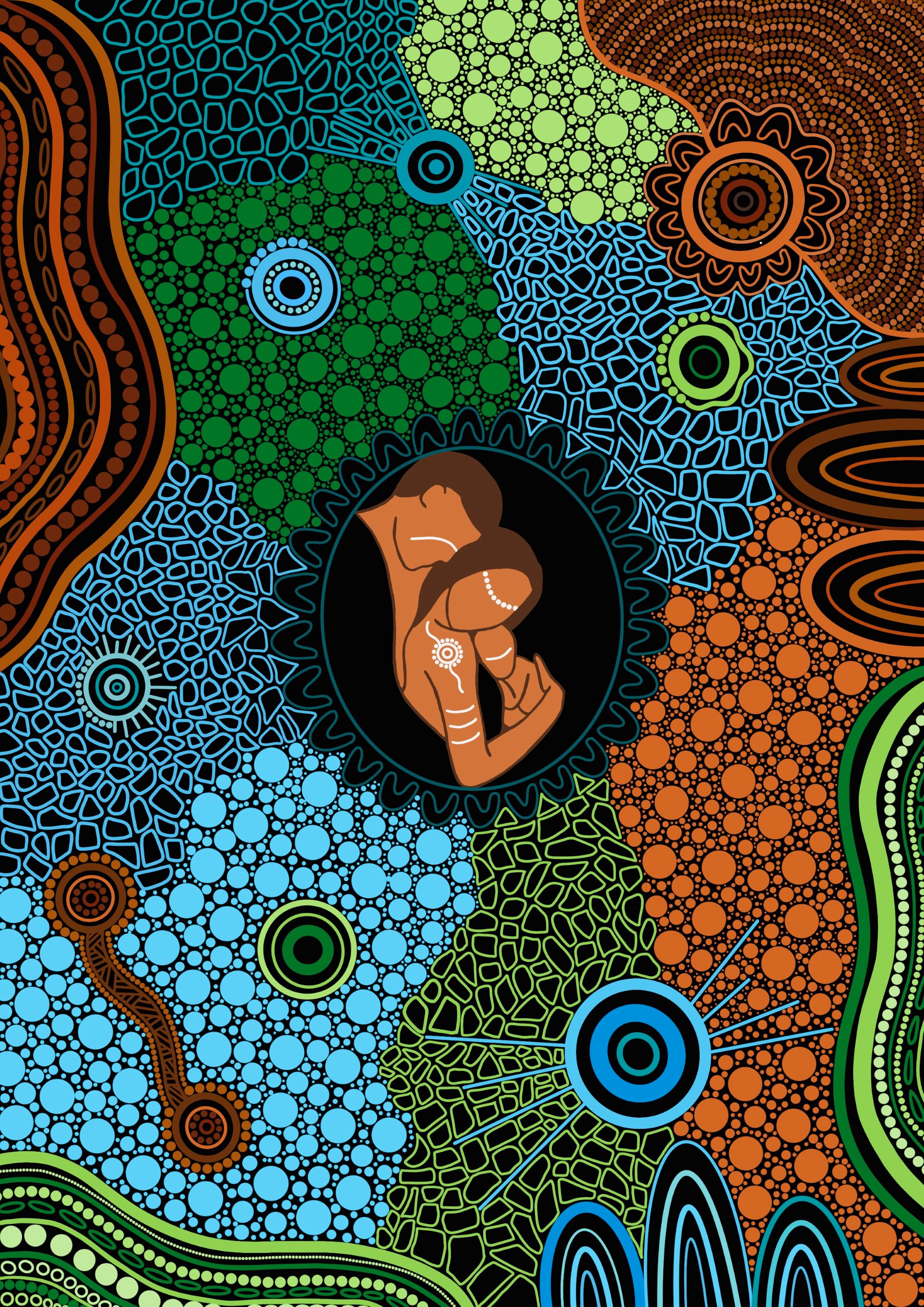
The aim of this project is to develop and implement a culturally safe, responsive and trauma-informed parenting program for Aboriginal and Torres Strait Islander families.
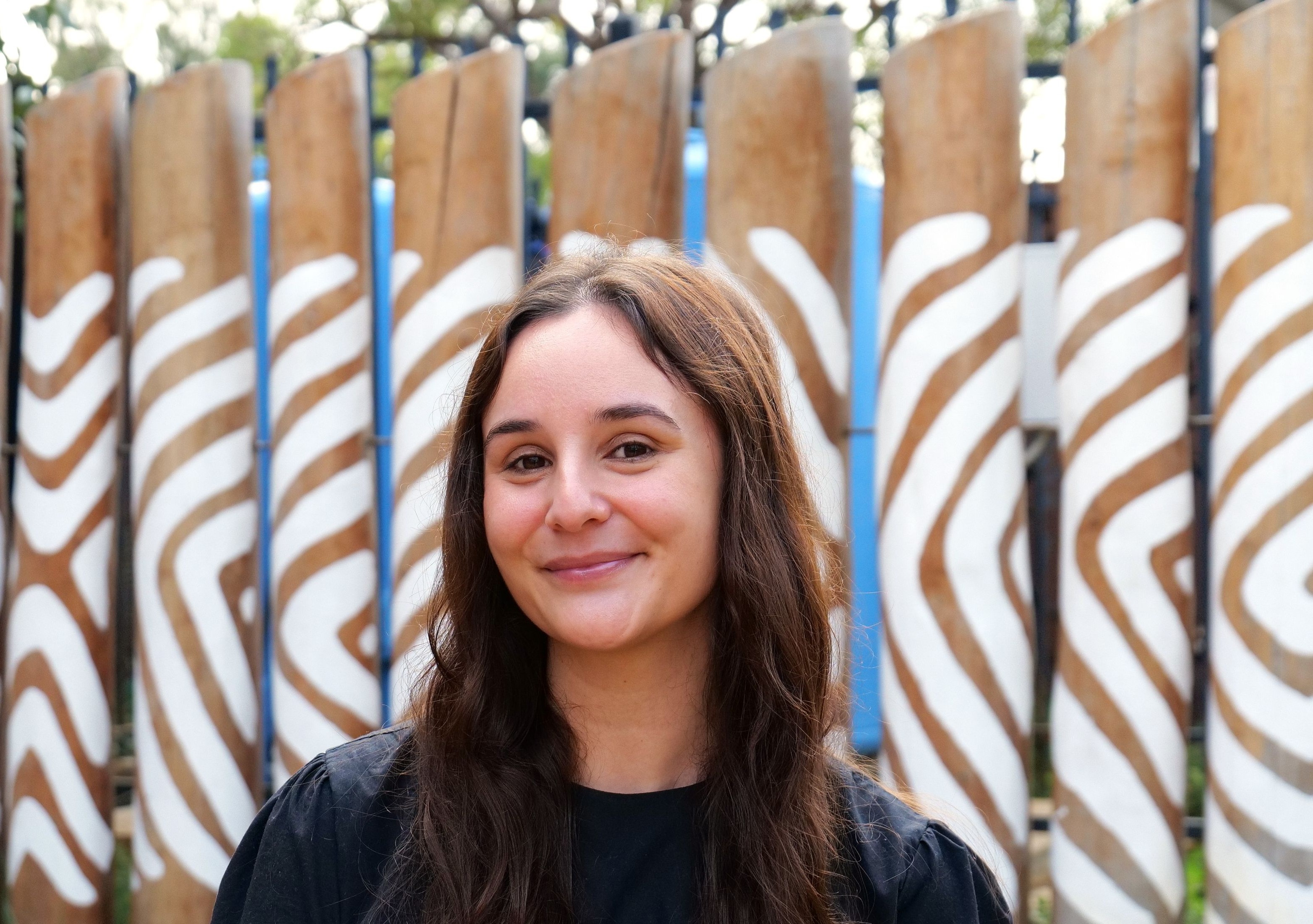
Senior Research Officer Tanika Sgherza is on the Healing Kids, Healing Families team.
Parents of trans and gender diverse (herein ‘trans’) children experience additional challenges in their parenting role relative to parents of cisgender children. Understanding and enhancing parents’ empowerment is a promising approach to support both parents and children. We aimed to develop an empowerment scale specific to parents of trans children, grounded in parents’ lived experiences.
Transgender and gender diverse (“trans”) people are more likely to experience adverse mental health outcomes due to the social adversities that are commonly experienced. One ameliorating factor for poor mental health outcomes can be connection to community, often facilitated in online spaces such as TikTok.