
Search
Following the end of winter, there has been a persistent absence of severe acute respiratory syndrome coronavirus 2 community transmission and no increase in influenza detections. Limited physical distancing measures have remained in place, with largely no restrictions on gathering sizes and no mandate for wearing masks.
Acute wheezing is one of the most common hospital presentations for young children. Respiratory syncytial virus (RSV) and rhinovirus (RV) species A, B and the more recently described species C are implicated in the majority of these presentations. However, the relative importance and age-specificities of these viruses have not been defined.
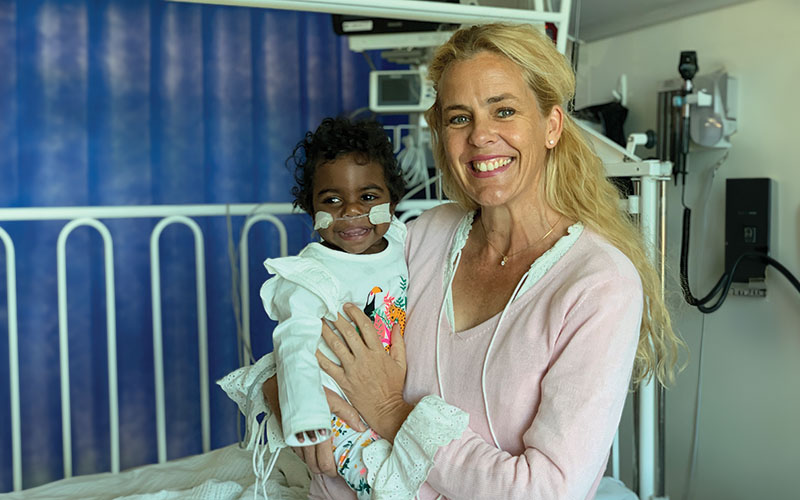
Culturally secure intervention to facilitate medical follow up for Aboriginal children, after being hospitalised with chest infections, have proven to improve long-term lung health outcomes.
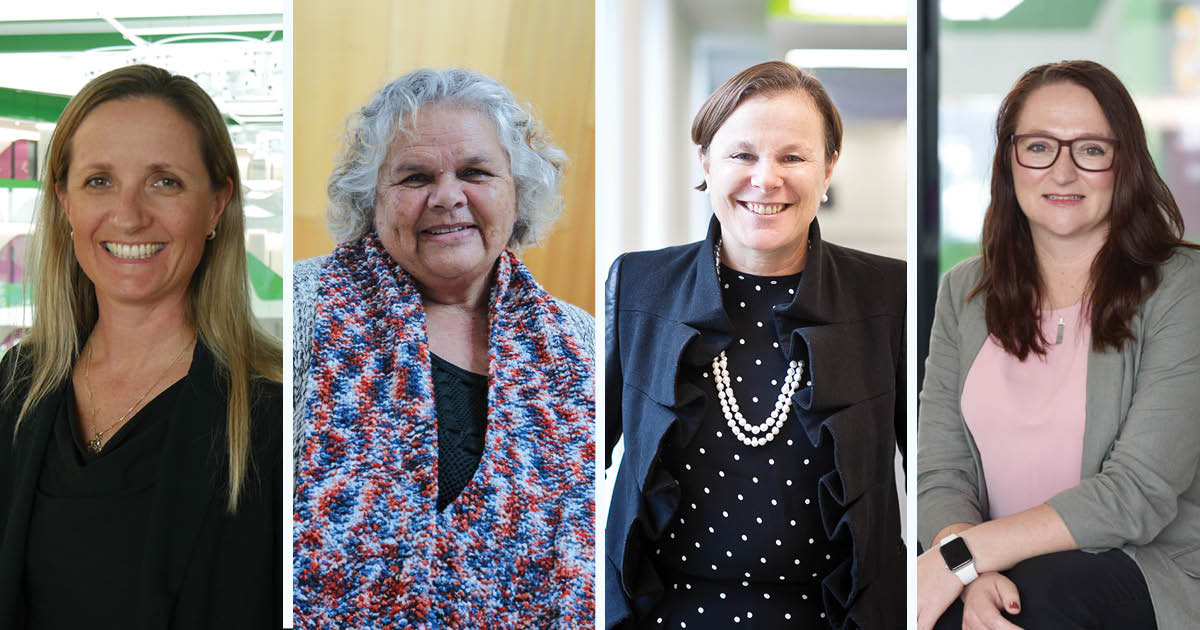
Four outstanding members of The Kids Research Institute Australia family – three researchers and an Aboriginal Elder co-researcher – have been named in the Australia Day Honours List for their outstanding service to research and the community.
Nick Rishi S. Laurence Sung Gottardo Kotecha Cheung Chiu MBChB FRACP PhD MB ChB (Hons) MRCPCH FRACP PhD BPharm (Hons) MBA PhD MBBS FRACP FRCPA PhD
Rhinoviruses (RV) are the most common respiratory viruses globally and a major cause of airway symptoms in children and individuals with asthma. Although more than 170 RV types exist across 3 species (RV-A, RV-B, RV-C), type-specific circulation patterns and age-related prevalence remain poorly defined.
Licensed recombinant protein respiratory syncytial virus (RSV) vaccines can prevent substantial morbidity in older adults. However, revaccination to prevent waning protection may be suboptimal, prompting the exploration of candidates for heterologous boosting. In this clinical trial of RSV vaccine-naive older adults, we evaluated SCB-1019T, a novel unadjuvanted bivalent RSV prefusion F (preF) protein vaccine stabilized via Trimer-Tag technology, in comparison to the licensed AS01E-adjuvanted RSV vaccine Arexvy.
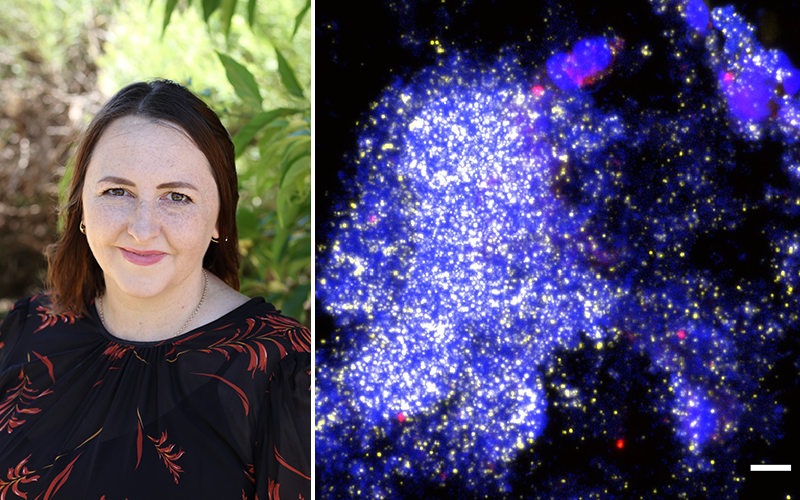
Researchers using powerful microscopes have identified bacterial slime in the lungs of some children with persistent wet coughs.
To investigate the potential risk factors of respiratory illness (ethnicity, oral health, and eating and drinking ability) in children and young adults with cerebral palsy.
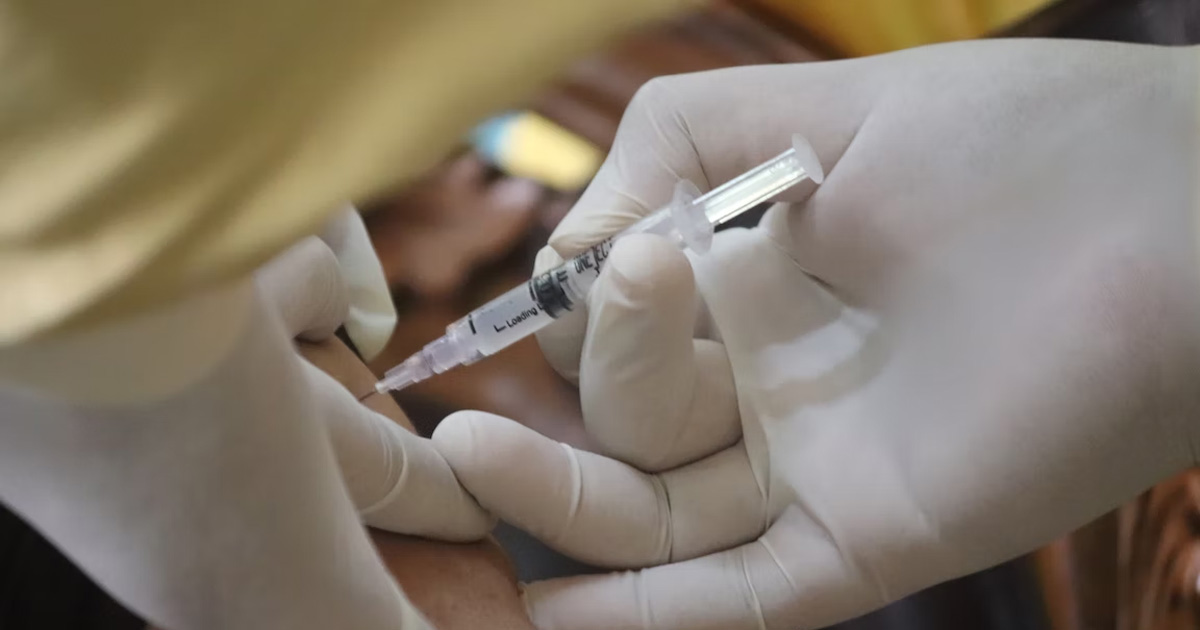
A world-first study has found a new vaccine against potentially deadly respiratory syncytial virus (RSV) is safe and effective for use in pregnant women, to help protect their babies.