
Search
Many survivors of preterm birth will have abnormal lung development, reduced peak lung function and, potentially, an increased rate of physiological lung function decline, each of which places them at increased risk of chronic obstructive pulmonary disease across the lifespan.
Citation: Wang KCW, Elliot JG, Saglani S, et al. The airway smooth muscle layer is structurally abnormal in low birth weight infants: implications
Normal in utero lung development and growth rely upon the expansion of airspaces and the controlled efflux of lung liquid into the amniotic space. Infants with congenital diaphragmatic hernia (CDH) also have lung hypoplasia due to occupation of the chest cavity by the stomach and bowel and, in the most severe cases, the liver. Balloon tracheal occlusion reduces the severity of lung hypoplasia in fetuses with CDH but increases the risk of premature birth.
Chronic wet cough for longer than 4 weeks is a hallmark of chronic suppurative lung diseases, including protracted bacterial bronchitis, and bronchiectasis in children. Severe lower respiratory infection early in life is a major risk factor of PBB and paediatric bronchiectasis.
Antisense oligonucleotides are an emerging therapeutic option to treat diseases with known genetic origin. In the age of personalised medicines, antisense oligonucleotides can sometimes be designed to target and bypass or overcome a patient's genetic mutation, in particular those lesions that compromise normal pre-mRNA processing. Antisense oligonucleotides can alter gene expression through a variety of mechanisms as determined by the chemistry and antisense oligomer design.

Five researchers from The Kids Research Institute Australia have been awarded three-year fellowships with the aim of keeping more WA-based PhD graduates involved in child health research.
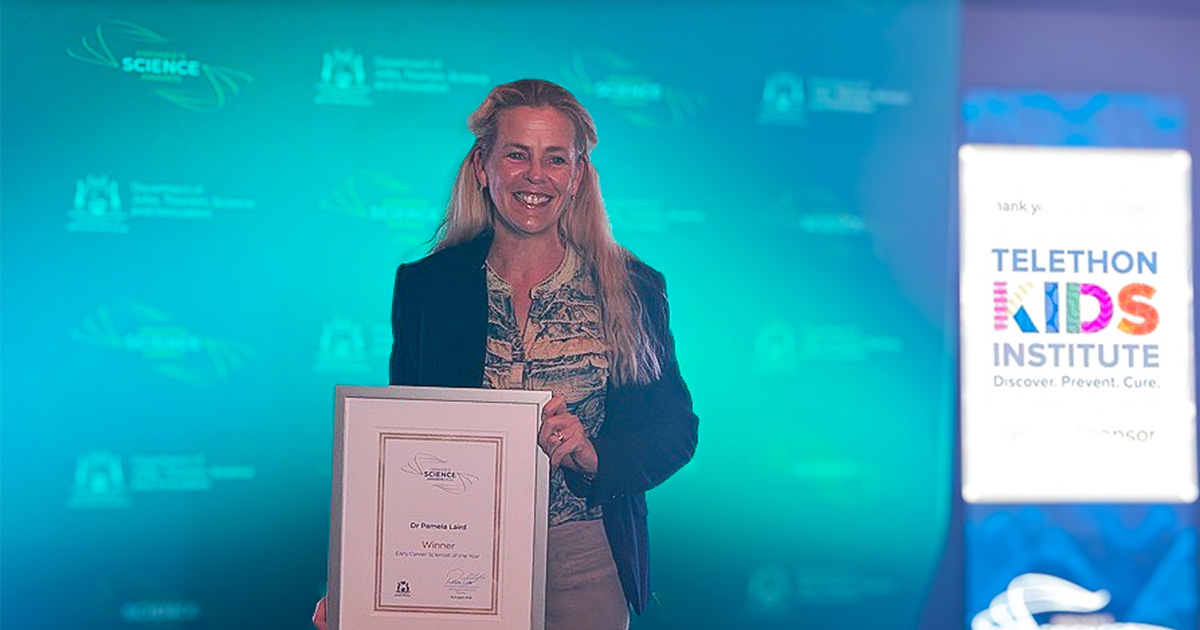
Congratulations to respiratory health researcher and clinician Dr Pam Laird, who was last night named joint winner of Early Career Scientist of the Year at the 2024 Premier’s Science Awards.

Eight The Kids Research Institute Australia-led projects will benefit from the latest round of WA Child Research Fund (WACRF) grants, announced this week by Medical Research Minister Stephen Dawson.
Pneumonia is the leading cause of death in young children globally and is prevalent in the Papua New Guinea highlands. We investigated clinical predictors of hypoxic pneumonia to inform local treatment guidelines in this resource-limited setting.
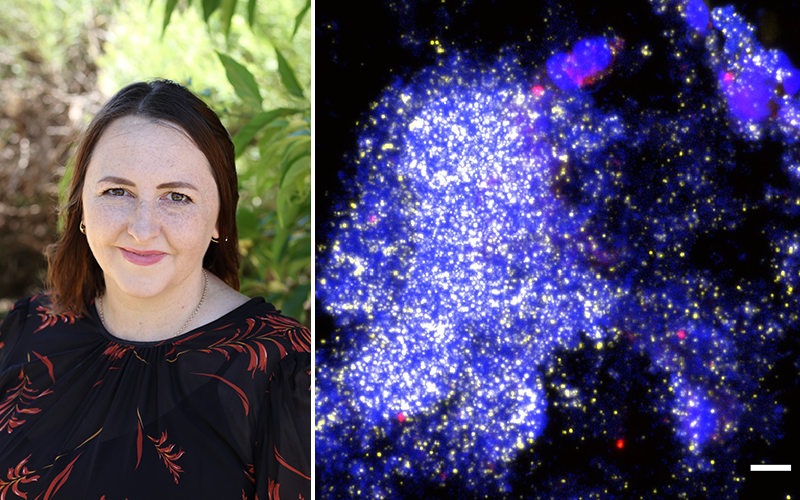
Researchers using powerful microscopes have identified bacterial slime in the lungs of some children with persistent wet coughs.