
Search
Supratentorial RELA fusion (ST-RELA) ependymomas (EPNs) are resistant tumors without an approved chemotherapeutic treatment. Unfortunately, the molecular mechanisms that lead to chemoresistance traits of ST-RELA remain elusive. The aim of this study was to assess RELA fusion-dependent signaling modules, specifically the role of the Hedgehog (Hh) pathway as a novel targetable vulnerability in ST-RELA.
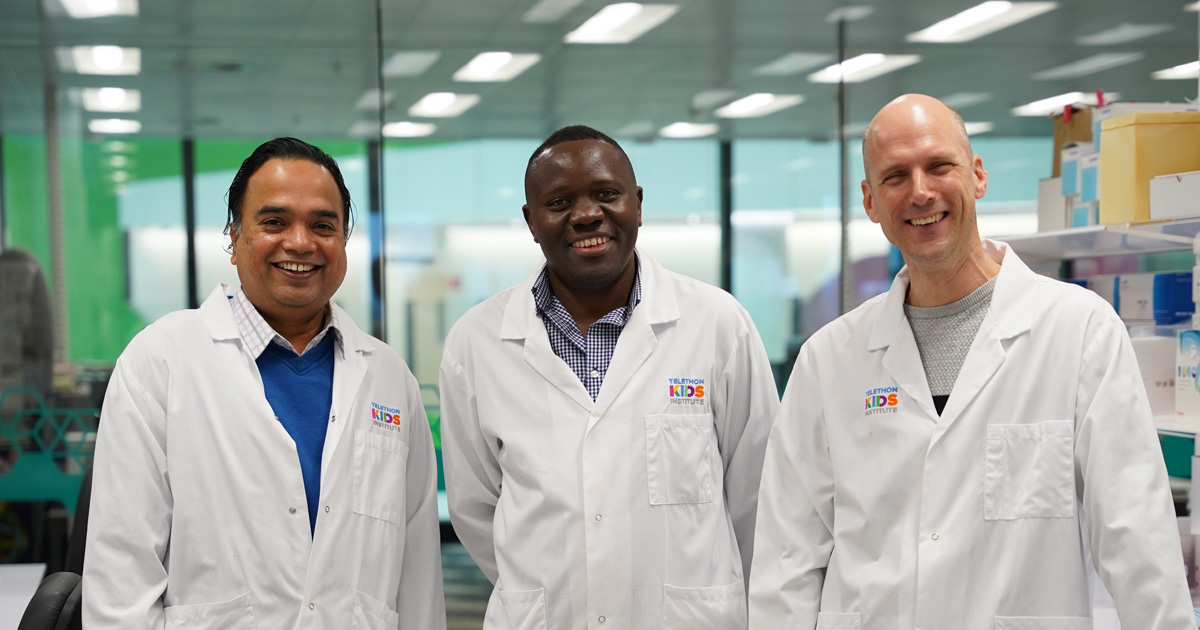
Newly published research from The Kids Research Institute Australia and The University of Western Australia has found a gel applied during surgery to treat sarcoma tumours is both safe and highly effective at preventing the cancer from growing back.
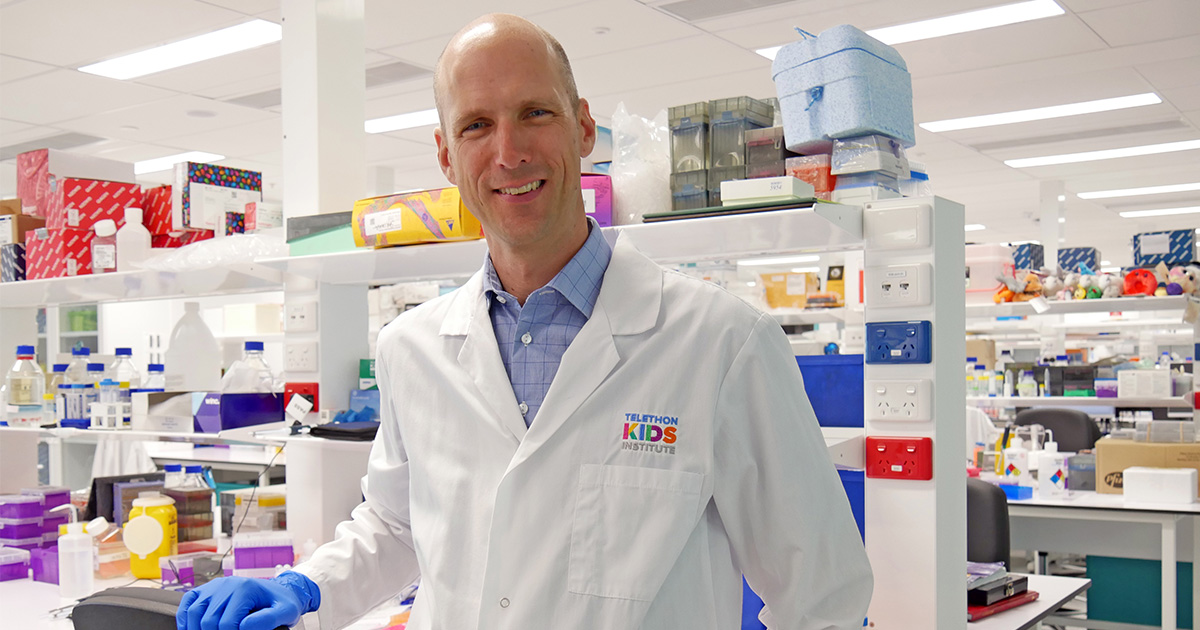
Researchers dedicated to developing the first cancer immunotherapy tablet have been boosted by a $374,000 CUREator top-up funding grant.
Immune checkpoint therapy (ICT) results in durable responses in individuals with some cancers, but not all patients respond to treatment. ICT improves CD8+ cytotoxic T lymphocyte (CTL) function, but changes in tumor antigen-specific CTLs post-ICT that correlate with successful responses have not been well characterized. Here, we studied murine tumor models with dichotomous responses to ICT.
There is a strong theoretical rationale for combining checkpoint blockade with cytotoxic chemotherapy in pleural mesothelioma and other cancers.
Chemotherapy is included in treatment regimens for many solid cancers, but when administered as a single agent it is rarely curative. The addition of immune checkpoint therapy to standard chemotherapy regimens has improved response rates and increased survival in some cancers. However, most patients do not respond to treatment and immune checkpoint therapy can cause severe side effects. Therefore, there is a need for alternative immunomodulatory drugs that enhance chemotherapy.
Pre-clinical studies developing novel therapies to prevent cancer recurrence require appropriate surgical models. Here, we present a protocol for surgical debulking of subcutaneous tumors in mice, which allows for intraoperative application of immunotherapy-loaded biomaterials.
Time-critical transcriptional events in the immune microenvironment are important for response to immune checkpoint blockade (ICB), yet these events are difficult to characterise and remain incompletely understood. Here, we present whole tumor RNA sequencing data in the context of treatment with ICB in murine models of AB1 mesothelioma and Renca renal cell cancer.
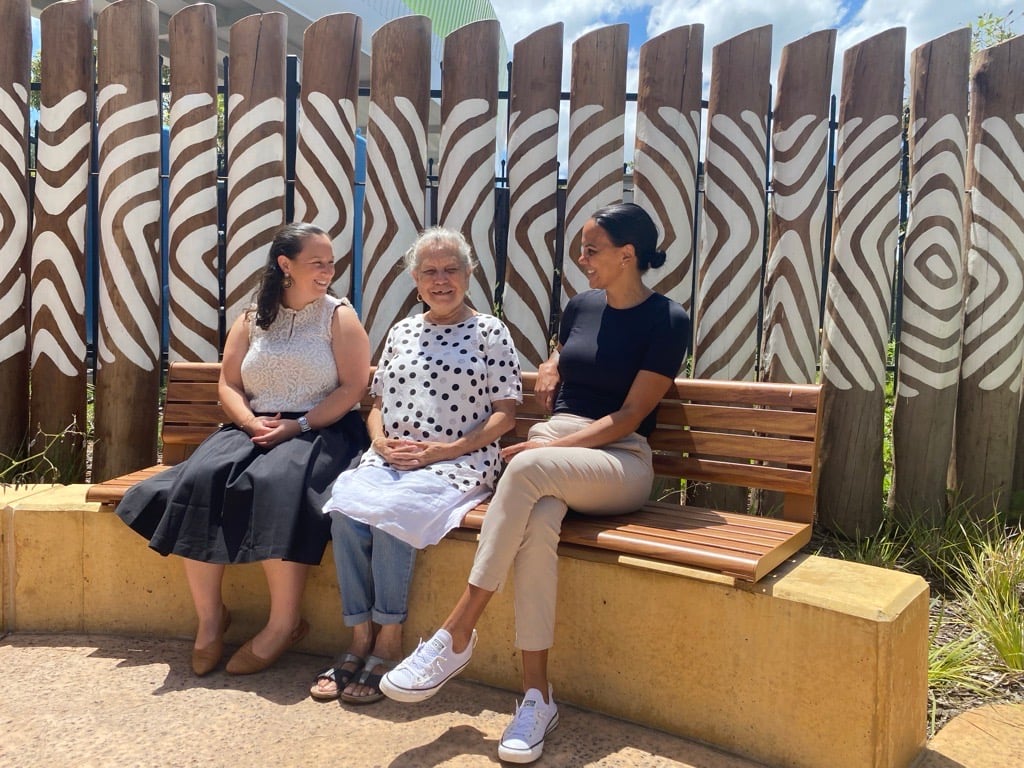
A first of its kind research program at The Kids Research Institute Australia aims to develop new strategies to better treat First Nations children with cancer.
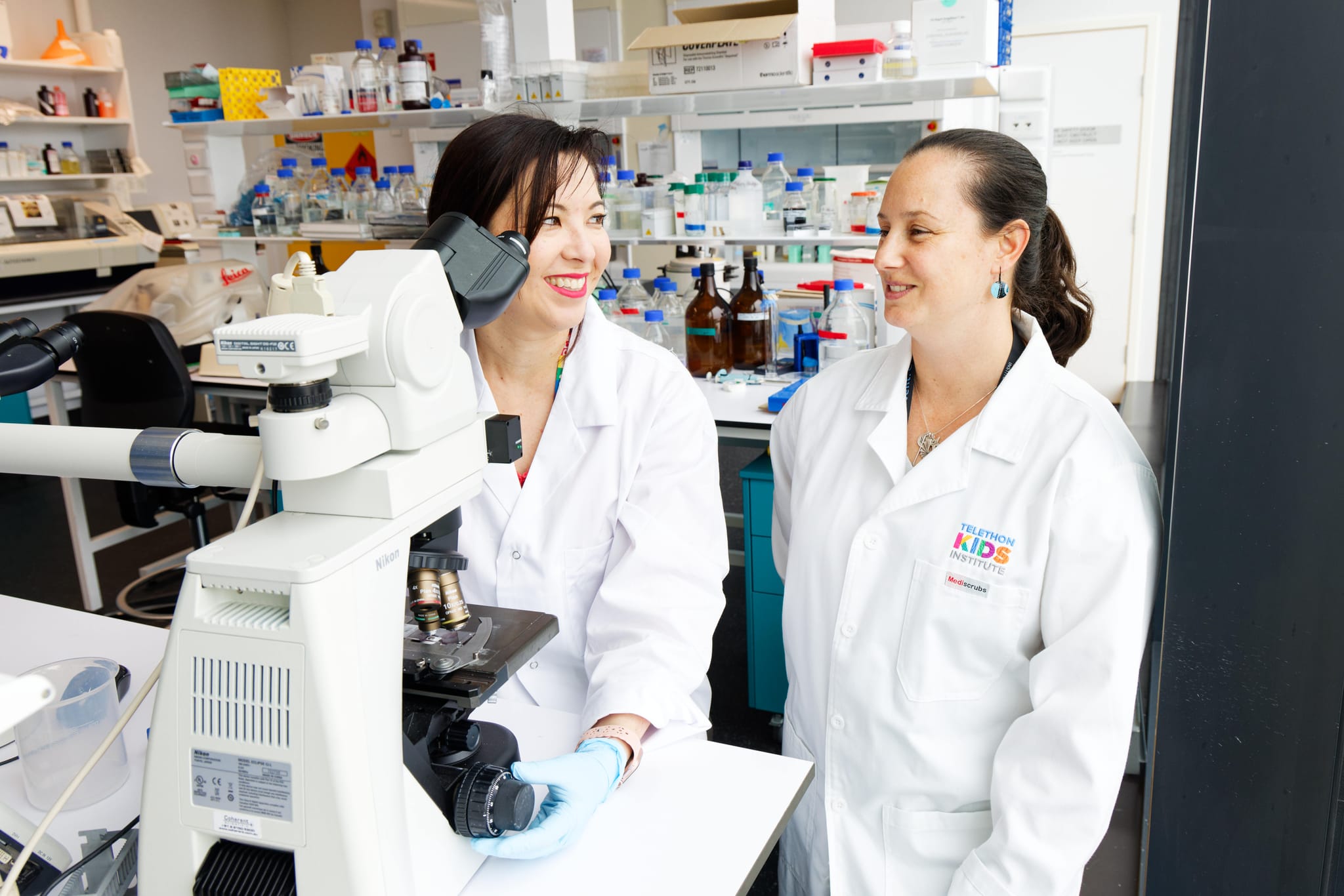
Dr Jessica Buck and Associate Professor Raelene Endersby have been appointed to the prestigious Australian Brain Cancer Mission Expert Advisory Panel.