
Search
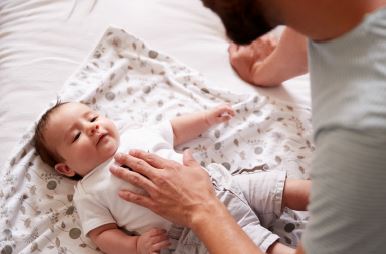
Babies worldwide could have access to life-saving influenza vaccinations from just eight weeks of age thanks to researchers at The Kids Research Institute Australia and the generous support of the Telethon community.
Baseline signatures might contribute to identifying interventional targets to be modulated prior to vaccination in order to improve vaccination responses
We propose that propensity for viral exacerbations of asthma and COPD relate to delayed expression of epithelial cell innate anti-viral immune genes
The findings provide a method for assessing a wide range of factors that may be associated with obesity among companion dogs
Appropriate innate immune function is essential to limit pathogenesis and severity of severe lower respiratory infections (sLRI) during infancy, a leading cause of hospitalization and risk factor for subsequent asthma in this age group.

A large-scale study of the epigenetic landscape of Indigenous Australians could help tackle chronic diseases faced by Aboriginal and Torres Strait Islander people.
Accumulating evidence indicates that an early, robust type 1 interferon (IFN) response to SARS-CoV-2 is important in determining COVID-19 outcomes, with an inadequate IFN response associated with disease severity. Our objective was to examine the prophylactic potential of IFN administration to limit viral transmission.
To establish the burden of respiratory illness in cerebral palsy (CP) on the Western Australian health care system by quantifying the costs of respiratory hospitalizations in children with CP, compared with non-respiratory hospitalizations.
Most estimates of stroke incidence among Aboriginal and Torres Strait Islander (hereinafter Aboriginal) Australians are confined to single regions and include small sample sizes. We aimed to measure and compare stroke incidence in Aboriginal and non-Aboriginal residents across central and western Australia.
Healthy Environments And Lives (HEAL) is the Australian national research network established to support improvements to health, the Australian health system, and the environment in response to the unfolding climate crisis. The HEAL Network comprises researchers, community members and organisations, policymakers, practitioners, service providers, and other stakeholders from diverse backgrounds and sectors.