
Search

Did you know that regular exercise can literally add years to the lives of children living with Type 1 Diabetes?

The Children’s Diabetes Centre welcomes a new Federal Government initiative to support children with Type 1 Diabetes in schools. The two-year $6 million schools education and training program will be implemented at every school with a student with Type 1 Diabetes.
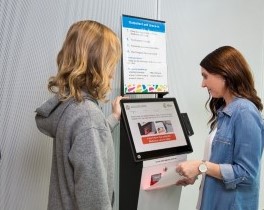
The outpatient check-in process at Perth Children’s Hospital (PCH) differs to the way things were done at Princess Margaret Hospital.
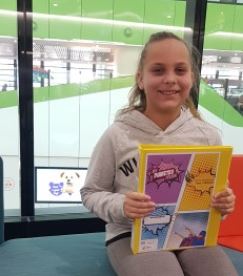
Ten-year-old Jazmyn Kalin’s diabetes journey may have only just begun but she is taking it all in her stride, administering her own insulin needles and even learning about carbs.
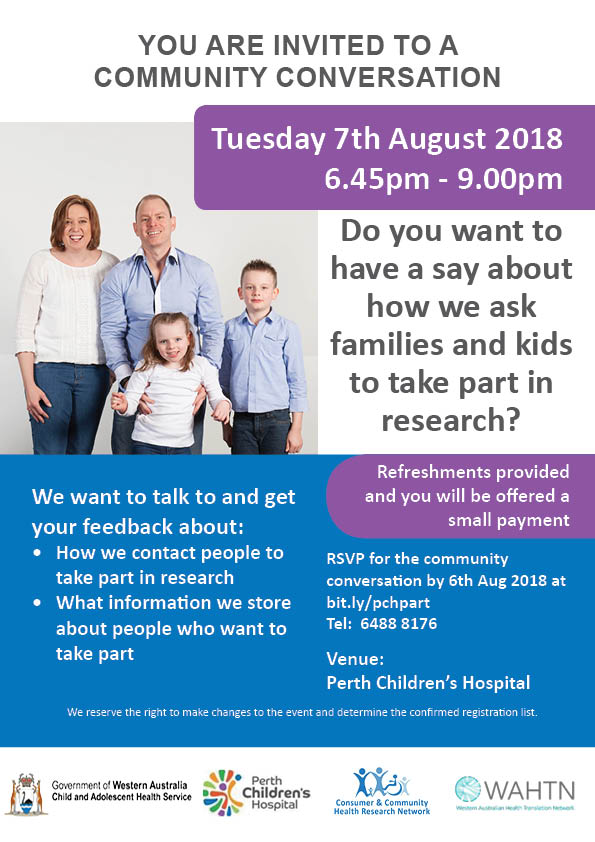
Members of the diabetes community are invited to have their say on research participation at a Community Conversation this Tuesday, August 7.
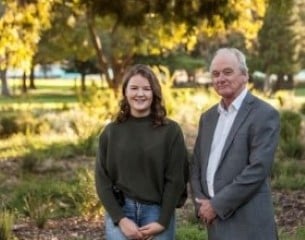
Type 1 diabetes is exhausting and unrelenting. It can be life threatening and there is never a break from it.
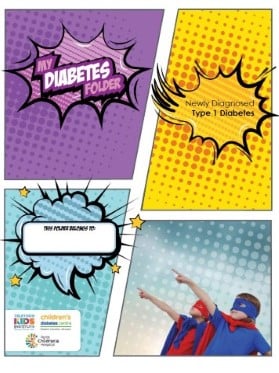
Check out our new and improved patient folder - a comprehensive resource to help families navigate a new type 1 diabetes diagnosis, now and into the future.
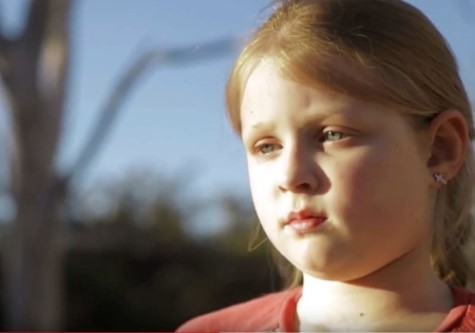
Meet eight-year-old Emily. She lives in Northam, has Type 1 Diabetes and stars in one of the videos for a new The Kids Research Institute Australia digital advertising campaign. Mother Kathleen Noble said the initial diagnosis was the hardest time for the family.
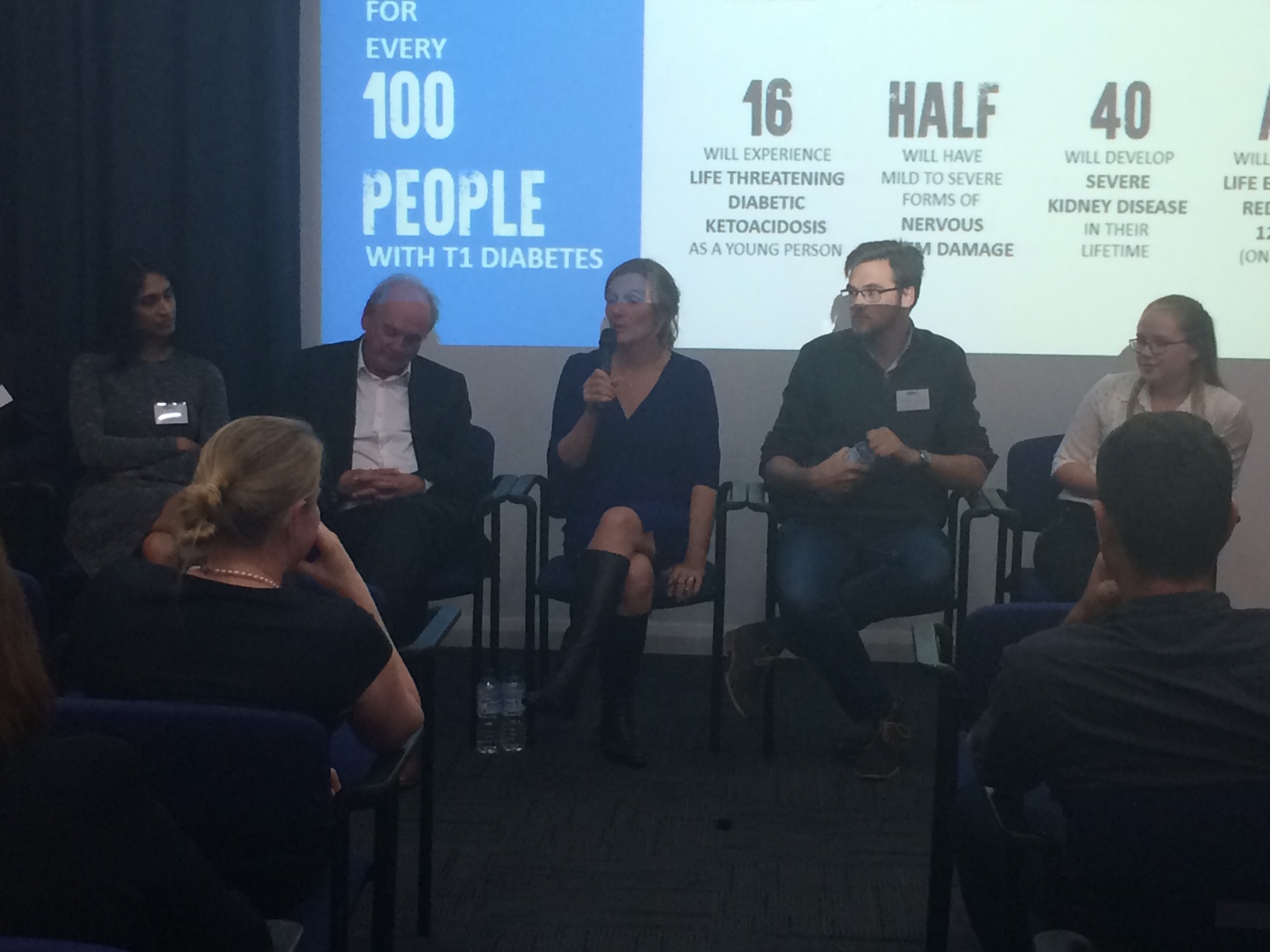
The Children’s Diabetes Centre showcased its progress in paediatric Type 1 Diabetes research at a JDRF Australia event held at The Kids Research Institute Australia recently.
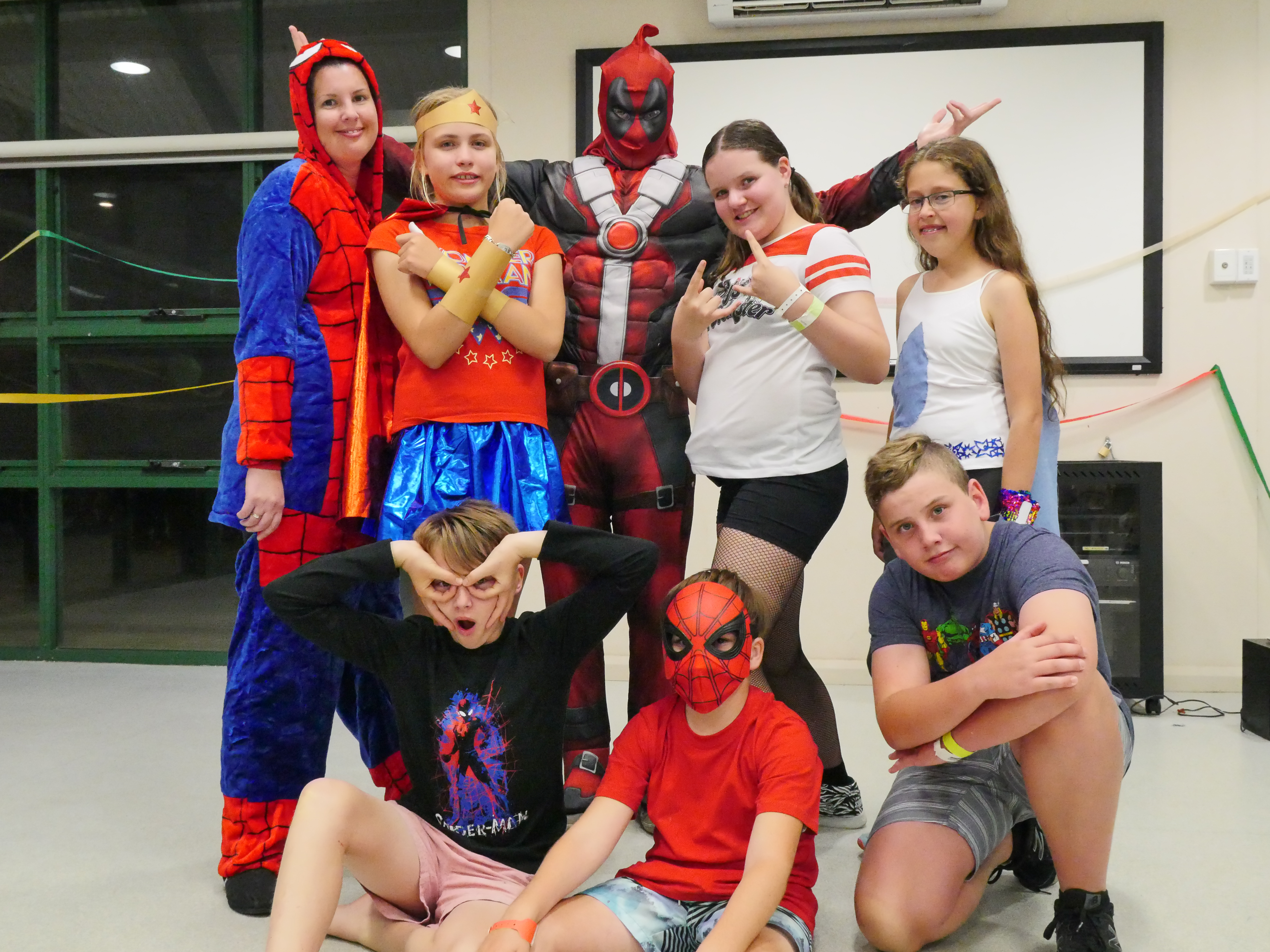
Kids living with Type 1 Diabetes got to hang out with super heroes and like-minded peers at the Diabetes WA and Princess Margaret Hospital (now known as Perth Children’s Hospital) kids’ camp in Bicton recently.