
Search
There was widespread agreement of the need for more information and training about FASD to optimise outcomes for people with FASD engaging with justice system
Soft neurological signs were more common in children with prenatal alcohol exposure or FASD, consistent with the known neurotoxic effect of PAE
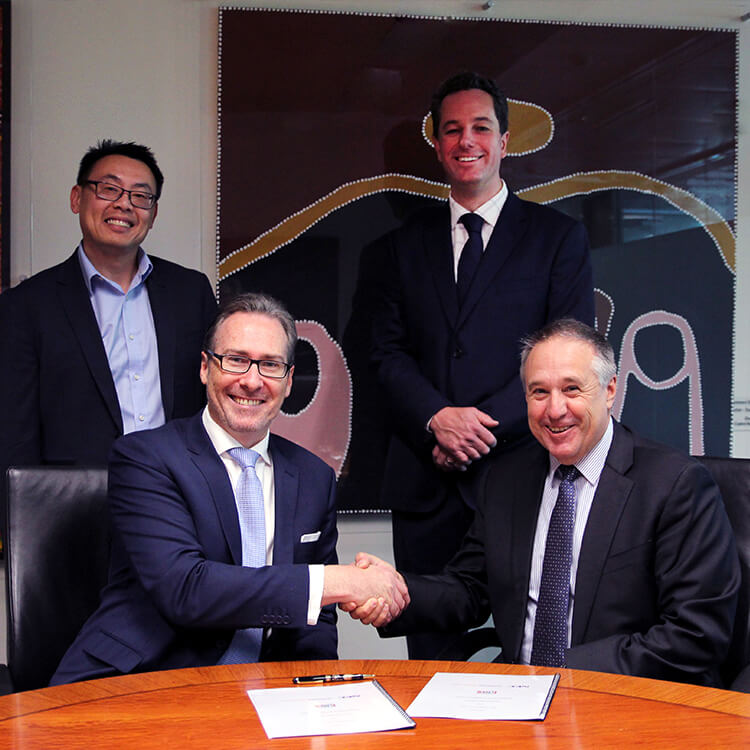
The Kids has signed an MoU with leading technology developer NEC Australia to explore opportunities to apply NEC’s AI technologies in our medical research.

Perth’s The Kids Research Institute Australia has welcomed the McGowan Government’s call today for the immediate implementation of mandatory pregnancy health warning labels.
A study revealing significant levels of language difficulty among detainees at the Banksia Hill Detention Centre underscores the need for more support for young people trying to navigate the justice system, The Kids Research Institute Australia researchers say.
The Telethon Kids Institute has welcomed the expansion of clinical services for young people with Fetal Alcohol Spectrum Disorders (FASD).
Individuals with fetal alcohol spectrum disorder (FASD) are at an elevated suicide risk compared with those in the general population. This public health issue warrants further research attention to help inform the development of prevention and intervention efforts. Our study is the first to characterize suicidality (i.e., suicidal ideation/suicide attempt) and explore associated risk factors in young individuals with FASD within the Australian context.
This article describes the development of a Model of Care resource to support youth involved with the justice system where a neurodevelopmental disability such as Fetal Alcohol Spectrum Disorder is suspected. Service staff within the Youth Justice sector were engaged in an iterative process of resource development over a 9-month period.
The current study aimed to examine the influence of distinct patterns of prenatal alcohol exposure and postnatal threat and deprivation during infancy on sleep outcomes at three-years. Data were derived from a longitudinal cohort originating from predominately low-income hospital settings in Australia.
To evaluate use and utility of the Fetal Alcohol Spectrum Disorder (FASD) Hub Australia website.