Skip to content
The Kids Research Institute Australia logo
Donate

No results yet

Search

Research

Establishing the lowest penicillin concentration to prevent pharyngitis due to Streptococcus pyogenes using a human challenge model (CHIPS)

The in-vivo plasma concentration of penicillin needed to prevent Streptococcus pyogenes pharyngitis, recurrent acute rheumatic fever, and progressive rheumatic heart disease is not known. We used a human challenge model to assess the minimum penicillin concentration required to prevent streptococcal pharyngitis.

Research

High dose, subcutaneous injections of benzathine penicillin G (SCIP) to prevent rheumatic fever: A single arm, phase IIa trial of safety and pharmacokinetics

This Phase-IIa trial evaluates the safety and pharmacokinetics of high-dose, 10 weekly subcutaneous injections of penicillin (SCIP) in young people with a history of acute rheumatic fever (ARF).

Research

Acceptability and Implementation Challenges of Benzathine Penicillin G Secondary Prophylaxis for Rheumatic Heart Disease in Ethiopia: A Qualitative Study

Monthly intramuscular injections of benzathine penicillin G (BPG) remain the cornerstone of secondary prophylaxis for acute rheumatic fever and rheumatic heart disease (RHD). The barriers to successful delivery of BPG may be patient- or service-delivery-dependent.

Research

Study protocol for controlled human infection for penicillin G against Streptococcus pyogenes: a double-blinded, placebo-controlled, randomised trial to determine the minimum concentration required to prevent experimental pharyngitis (the CHIPS trial)

Regular intramuscular benzathine penicillin G injections have been the cornerstone of rheumatic heart disease (RHD) secondary prophylaxis since the 1950s. As the pharmacological correlate of protection remains unknown, it is difficult to recommend changes to this established regimen. Determining the minimum effective penicillin exposure required to prevent Streptococcus pyogenes infection will accelerate development of new long-acting penicillins for RHD prevention as well as inform opportunities to improve existing regimens. The CHIPS trial will address this knowledge gap by directly testing protection afforded by different steady state plasma concentrations of penicillin in an established model of experimental human S. pyogenes pharyngitis.

Research

Research priorities for the secondary prevention and management of acute rheumatic fever and rheumatic heart disease: a National Heart, Lung, and Blood Institute workshop report

Secondary prevention of acute rheumatic fever (ARF) and rheumatic heart disease (RHD) involves continuous antimicrobial prophylaxis among affected individuals and is recognised as a cornerstone of public health programmes that address these conditions. However, several important scientific issues around the secondary prevention paradigm remain unresolved. 

News & Events

The Kids Research Institute Australia researchers finalists for 2016 Eureka Prizes

Three Perth researchers from The Kids Research Institute Australia have today been named finalists for the 2016 Australian Museum Eureka Prizes.

News & Events

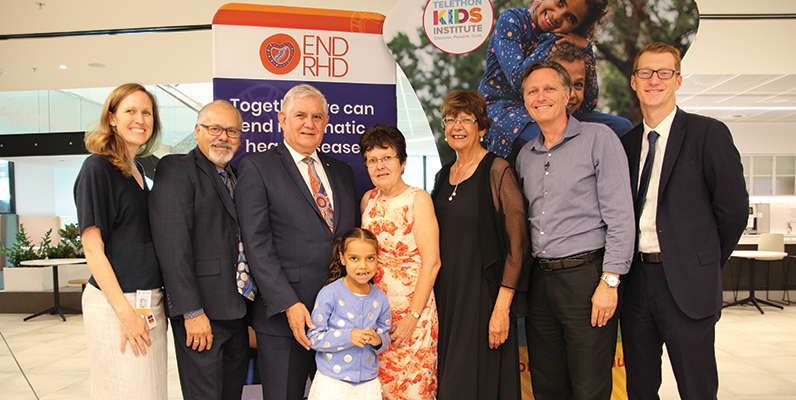
New Rheumatic Heart Disease Centre

The Kids Research Institute Australia is proud to announce the launch of a world class Centre of Research Excellence in rheumatic heart disease (RHD).

People

Dr Janessa Pickering

Dr Janessa Pickering is a research microbiologist with expertise in the molecular diagnostics and host pathogen interactions of upper respiratory tract pathogens that cause disease in children.

News & Events

The Kids takes fight against one of the world’s deadliest bugs to national stage

Last night, almost 60 supporters gathered at Adelaide Town Hall for the inaugural The Kids Research Institute Australia Adelaide Lecture, Not Just a Sore Throat: The Race to Stop One of the Deadliest Bugs on the Planet.