
Search
Showing results for "rishi kotecha"
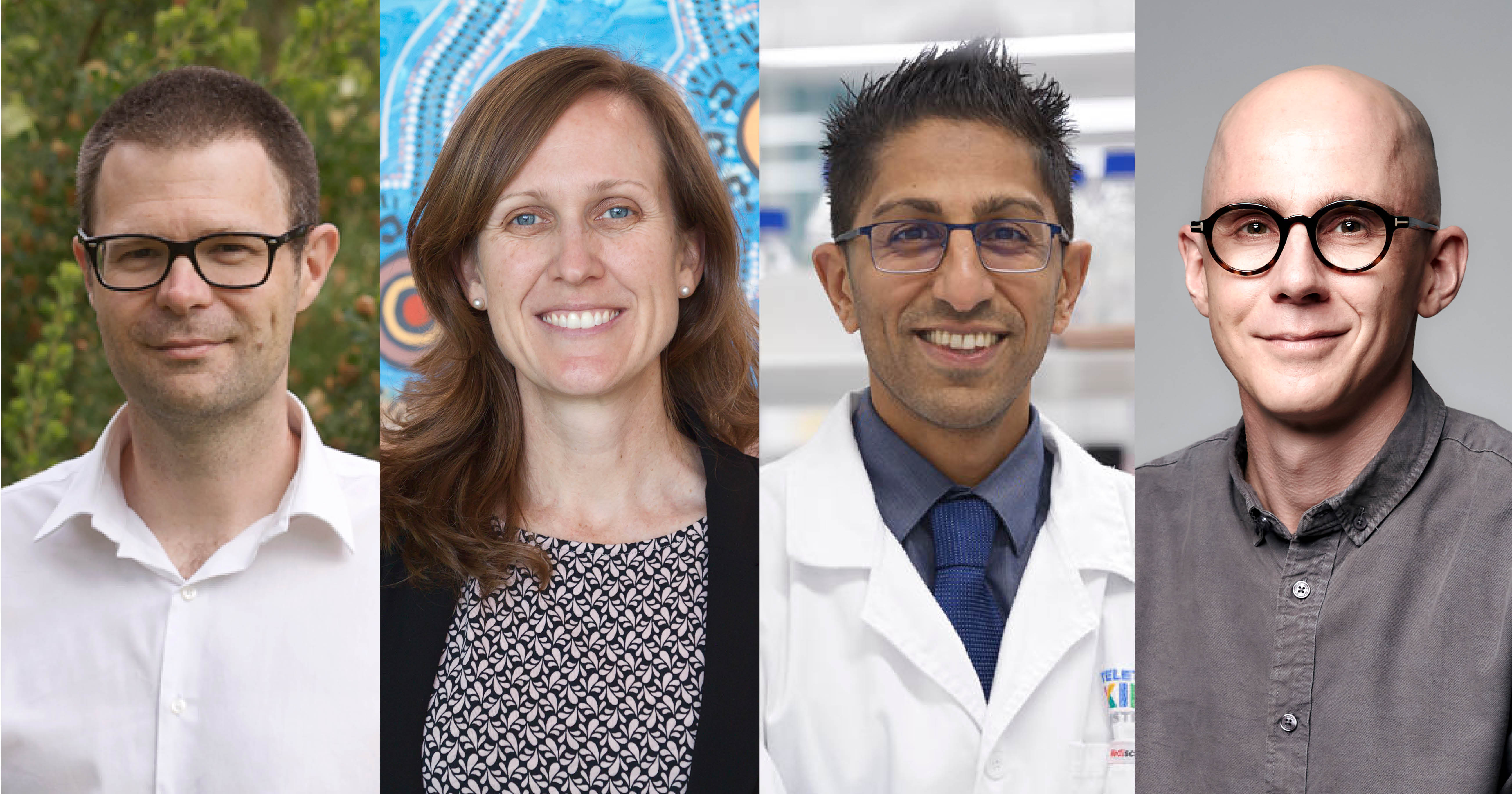
Four The Kids Research Institute Australia researchers have been awarded $8.8 million in prestigious Investigator Grants from the National Health and Medical Research Council to pursue innovative child health research focused on autism, childhood cancer, skin health, and Aboriginal genomics.
The bone marrow microenvironment plays a key role in leukemia progression, but its molecular complexity in pre-B cell acute lymphoblastic leukemia (B-ALL), the most common cancer in children, remains poorly understood. To gain further insight, we used single-cell RNA sequencing to characterize the kinetics of the murine BMM during B-ALL progression.
The bone marrow microenvironment (BMM) plays a key role in leukemia progression, but its molecular complexity in pre-B cell acute lymphoblastic leukemia (B-ALL), the most common cancer in children, remains poorly understood. To gain further insight, we used single-cell RNA sequencing to characterize the kinetics of the murine BMM during B-ALL progression.
All children who are receiving therapy for cancer should receive a single dose of PCV13 as soon as possible after diagnosis, regardless of prior PCV exposure.
Medulloblastoma is curable in approximately 70 % of patients. Over the past decade, progress in improving survival using conventional therapies has stalled...
Given the paucity of data concerning long-term outcome, the authors undertook a meta-analysis to analyze morbidity in survivors of this disease.
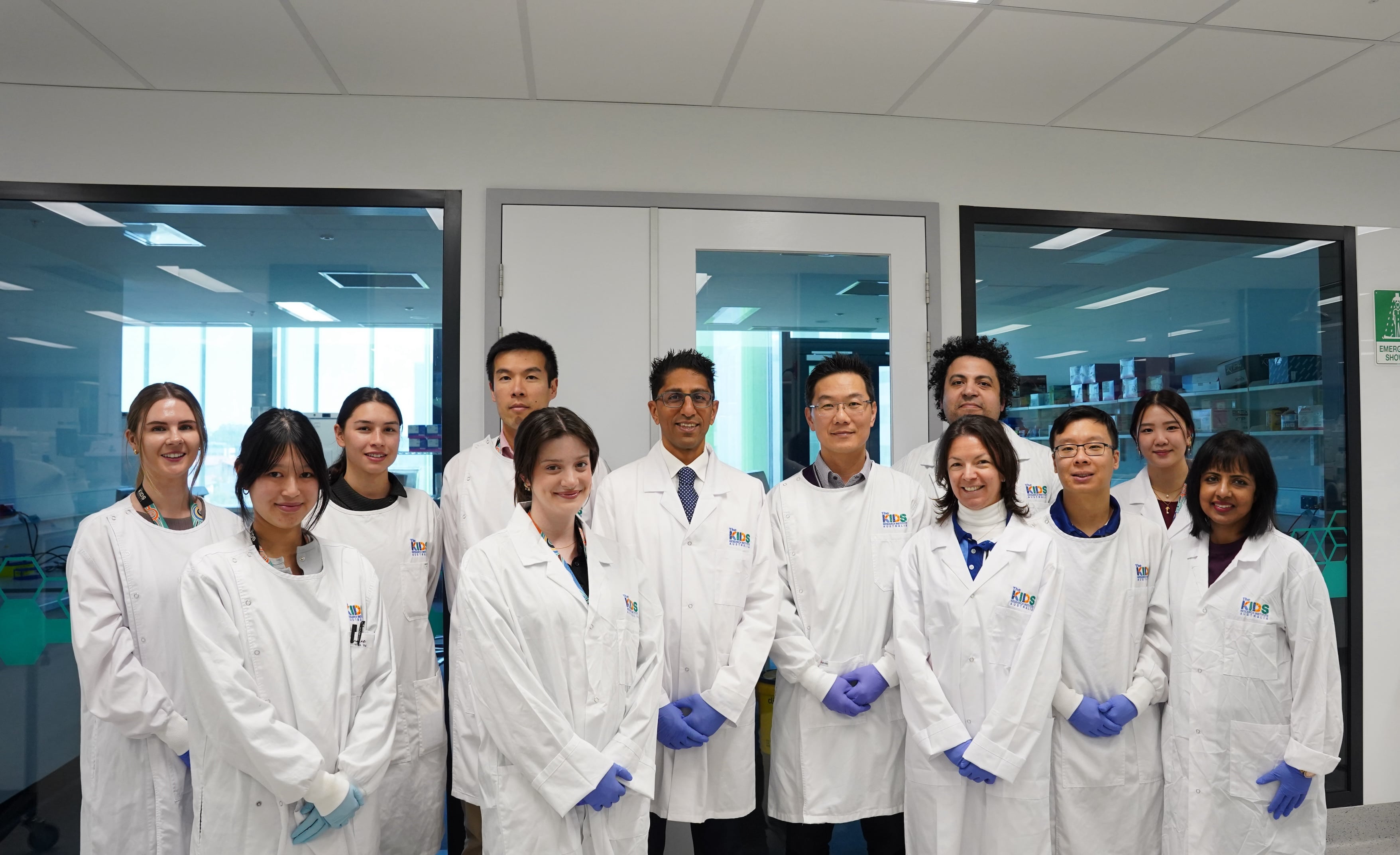
The main aim of our Leukaemia Translational Research Team is to test innovative therapeutic approaches, with a focus on clinical translation of this knowledge, to improve the outcomes of children suffering from leukaemia.
The Australian Technical Advisory Group on Immunisation and New Zealand Ministry of Health recommend all children aged ≥ 5 years receive either of the two mRNA COVID-19 vaccines: Comirnaty (Pfizer), available in both Australia and New Zealand, or Spikevax (Moderna), available in Australia only. Both vaccines are efficacious and safe in the general population, including children. Children and adolescents undergoing treatment for cancer and immunosuppressive therapy for non-malignant haematological conditions are particularly vulnerable, with an increased risk of severe or fatal COVID-19.
Five researchers from The Kids Research Institute Australia will share in almost $3 million in grants to continue groundbreaking research to tackle childhood cancer, asthma prevention, lung disease and chronic ear infections.
The trivalent inactivated influenza vaccine is safe, immunogenic, provides clinical protection and should be administered annually to immunosuppressed children receiving treatment for cancer