
Search
Increases in ASD was not only limited to advancing paternal or maternal age alone but also to differences parental age including younger or older similarly age
The prevalence of intellectual disability has risen in WA over the last 10 years with most of this increase due to mild or moderate intellectual disability
Identified no significant differences between the high- and low-risk fetuses in the rate of prenatal head and body growth throughout the 2nd and 3rd-trimester

Video technology is helping researchers learn more about the early communication style of infants with a family history of autism, ADHD or intellectual disability.
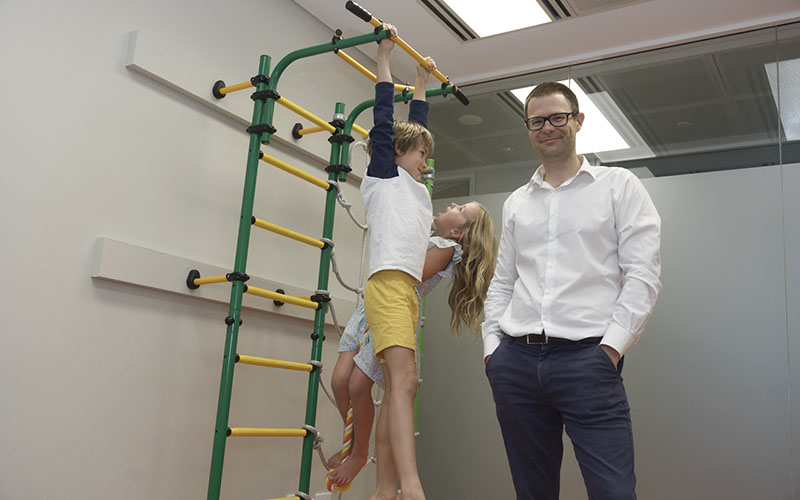
Professor Andrew Whitehouse, who has helped transform clinical support for children on the autism spectrum in Australia, is nominated for WA's 2023 Australian of the Year.
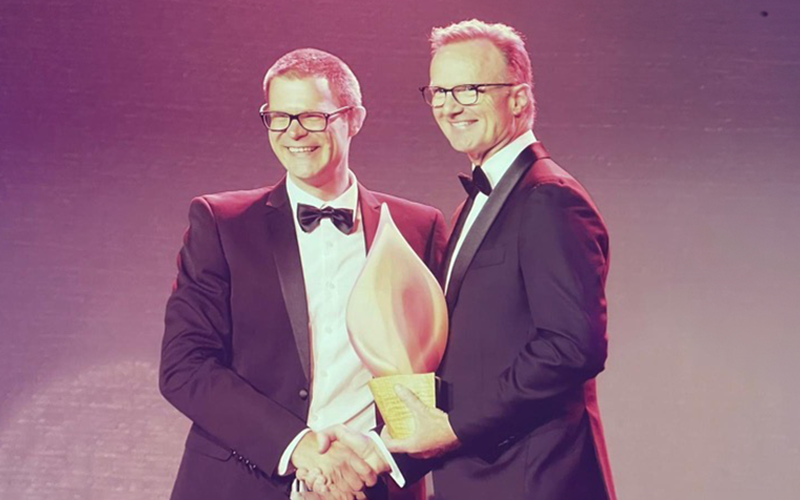
Autism researcher Professor Andrew Whitehouse has been named this year’s Western Australian of the Year in the HBF Professions category.
Australia’s first national guideline for supporting the learning, participation and wellbeing of autistic children and their families.
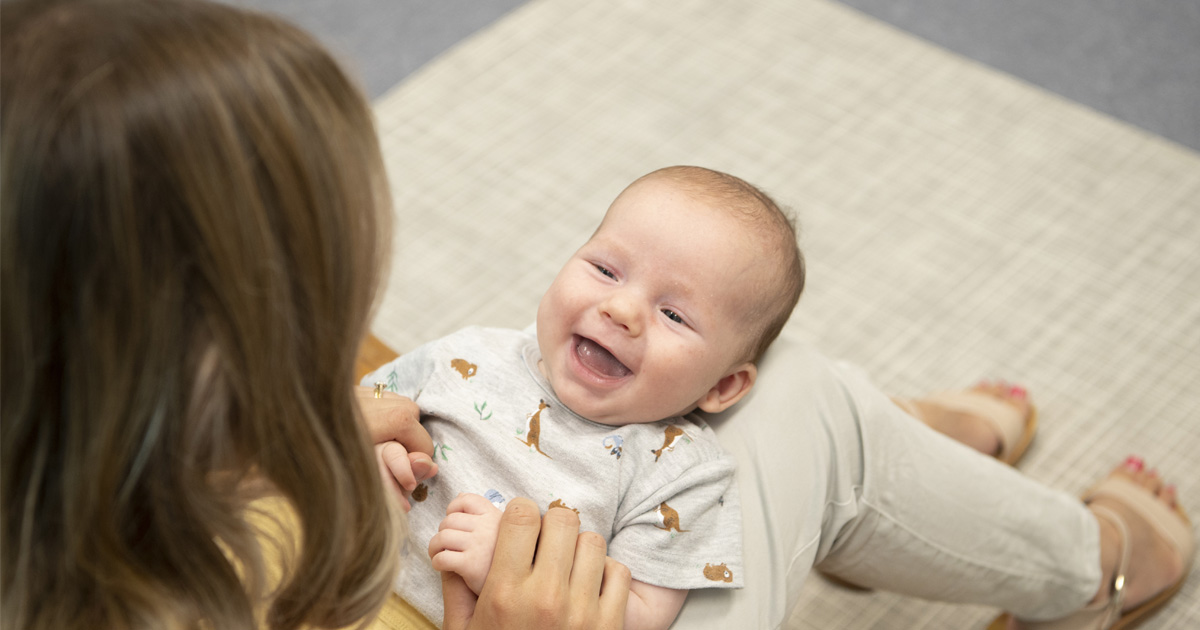
New research evaluating the potential cost savings of a therapy for babies displaying early autism signs has predicted a three dollar return to Australia’s National Disability Insurance Scheme (NDIS) for every dollar invested in therapy.
Birth order effects have been linked to variability in intelligence, educational attainment and sexual orientation. First- and later-born children have been linked to an increased likelihood of an Autism Spectrum Disorder (ASD) diagnosis, with a smaller body of evidence implicating decreases in cognitive functioning with increased birth order. The present study investigated the potential association between birth order and ASD diagnostic phenotypes in a large and representative population sample.
Social media allows users to connect with others’ experiences and points of view, with TikTok being the fastest-growing platform worldwide. Highly viewed videos related to neurodiversity on TikTok have an increasing role in understanding and acceptance of neurodivergent individuals.