
Search
Carrington Fiona Shepherd Stanley PhD FAA FASSA MSc MD FFPHM FAFPHM FRACP FRANZCOG HonDSc HonDUniv HonFRACGP HonMD HonFRCPCH HonLLB (honoris causa)
Carrington Fiona Shepherd Stanley PhD FAA FASSA MSc MD FFPHM FAFPHM FRACP FRANZCOG HonDSc HonDUniv HonFRACGP HonMD HonFRCPCH HonLLB (honoris causa)
This chapter outlines the concept of ‘justice capital’. It commences with a discussion of the impacts of colonization on Indigenous people in Australia, with a particular focus on Indigenous children placed in state care systems.
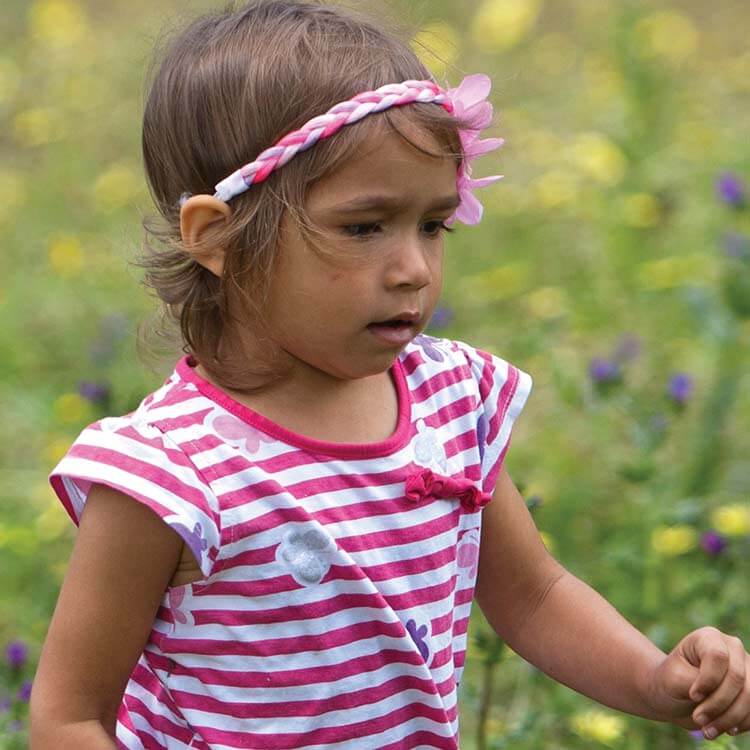
The Aboriginal Health and Wellbeing Team follows an holistic definition of Aboriginal Health which means that health is not just the physical wellbeing of an individual but includes the social, emotional and cultural wellbeing of the whole community.
Fetal alcohol spectrum disorder (FASD) is a lifelong disability of varying severity that occurs among individuals prenatally exposed to alcohol. Among Aboriginal and Torres Strait Islander (Indigenous) Australians, the effects of colonisation and ongoing racism could increase the risk of alcohol consumption during pregnancy.
The research protocol described aims to examine and establish the health outcomes of children and young people living in Out-of-Home Care (OOHC) in Perth, Western Australia from the perspective of the care recipients and service providers. A Study Advisory Panel will be established comprised of Aboriginal Elders (because of the over-representation of Aboriginal children in OOHC), health professionals and other relevant stakeholders to help co-design all phases of the study.
The HEAL Network aims to strengthen the Australian health system and community resilience to climate change, extreme events, and environmental degradation.
Epidemiologic data on invasive group C/G Streptococcus (iGCGS) infections are sparse internationally. Linked population-level hospital, pathology, and death data were used to describe the disease burden in Western Australia, Australia, during 2000-2018 compared with that of invasive group A Streptococcus (GAS, Streptococcus pyogenes) infections.
Having a preterm (<37 weeks' gestation) birth may increase a woman's risk of early mortality. Aboriginal and Torres Strait Islander women have higher preterm birth and mortality rates compared with other Australian women.
Although recent studies have demonstrated associations between nonchromosomal birth defects and several pediatric cancers, less is known about their role on childhood leukemia susceptibility. Using data from the Childhood Cancer and Leukemia International Consortium, we evaluated associations between nonchromosomal birth defects and childhood leukemia.