
Search

The rapidly developing coronavirus crisis is affecting our daily lives in unprecedented ways and brings with it uncertainty and fear.
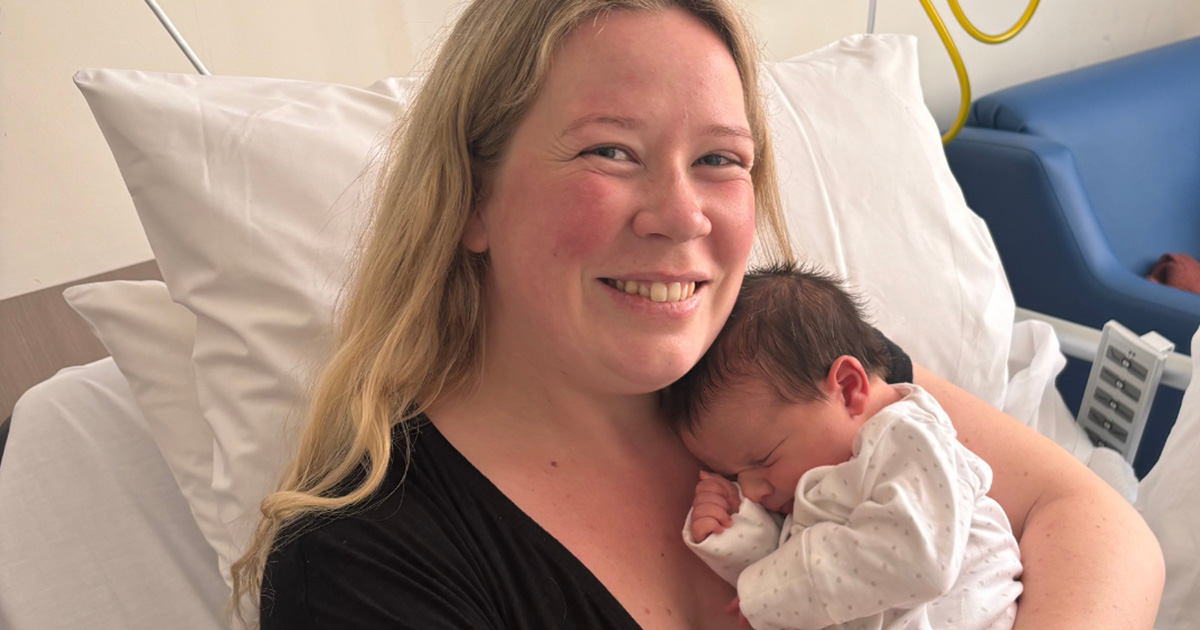
Australia’s biggest longitudinal study following the health and wellbeing of children from their conception through to childhood, has welcomed its 10,000th and final participant.
With more than one in four Australian children overweight or obese, and the significant risks this poses for health problems like asthma, depression,...
Desiree Dr Jackie Susan Lisa Zenobia Silva Davis Prescott Gibson Talati MBBS, FRACP, MPH, PhD BSc (Hons), PGradDipHlthProm, PhD MBBS BMedSci PhD
Steve Desiree Zubrick Silva FASSA, FAAMHS, MSc AM PhD MBBS, FRACP, MPH, PhD Honorary Emeritus Research Fellow Co-Director, ORIGINS 08 6319 1409
The ORIGINS Project (“ORIGINS”) is a longitudinal, population-level birth cohort with data and biosample collections that aim to facilitate research to reduce non-communicable diseases and encourage ‘a healthy start to life’. ORIGINS has gathered millions of datapoints and over 400,000 biosamples over 15 timepoints, antenatally through to five years of age, from mothers, non-birthing partners and the child, across four health and wellness domains.
Childhood is a critical period of immune development. During this time, naïve CD4 T cells undergo programmed cell differentiation, mediated by epigenetic changes, in response to external stimuli leading to a baseline homeostatic state that may determine lifelong disease risk. However, the ontogeny of epigenetic signatures associated with CD4 T cell activation during key developmental periods are yet to be described.
Tele-dentistry can be useful to facilitate screening of children, especially those living in rural and remote communities, and during the COVID-19 pandemic. This study evaluated the feasibility of tele-dental screening for the identification of early childhood caries (ECC) in preschoolers using an app operated by their parents with remote review by oral-health therapists.
Psychological distress in the early postpartum period can have long-lasting deleterious effects on a mother's well-being and negatively affect her infant's development. Intervention approaches based in contemplative practices such as mindfulness and loving-kindness and compassion are intended to alleviate distress and cultivate well-being and can be delivered effectively as digital mental health interventions.
Complementary feeding induces dramatic ecological shifts in the infant gut microbiota toward more diverse compositions and functional metabolic capacities, with potential implications for immune and metabolic health. The aim of this study was to examine whether the age at which solid foods are introduced differentially affects the microbiota in predominantly breastfed infants compared with predominantly formula-fed infants.