
Search
There are well-described sex-based differences in how the immune system operates. In particular, cisgender (cis) females have a more easily activated immune system; associated with an increased prevalence of autoimmune diseases and adverse events following vaccinations. Conversely, cis males have a higher threshold for immune activation, and are more prone to certain infectious diseases, such as coronavirus disease (COVID-19).
Trans youth are at high risk of mental health difficulties and negative life events. Strong parental support is highly protective however there is little understanding of what factors facilitate the process of parental understanding and acceptance of a child’s gender identity.
Research has shown that parents of trans children face numerous challenges as they navigate their parenting role, however, little is known about the impact of these challenges on parents’ psychological wellbeing.
Cognitive and motor dysfunction are hallmark features of the psychosis continuum, and have been detected during late childhood and adolescence in youth who report psychotic experiences (PE). However, previous investigations have not explored infancy and early childhood development.

The Kids Research Institute Australia and The University of Western Australia researchers have been awarded more than $1 million in funding from Healthway, for projects to improve the mental health of LGBTQA+ young people, encourage early physical activity in childcare centres and create healthier local environme
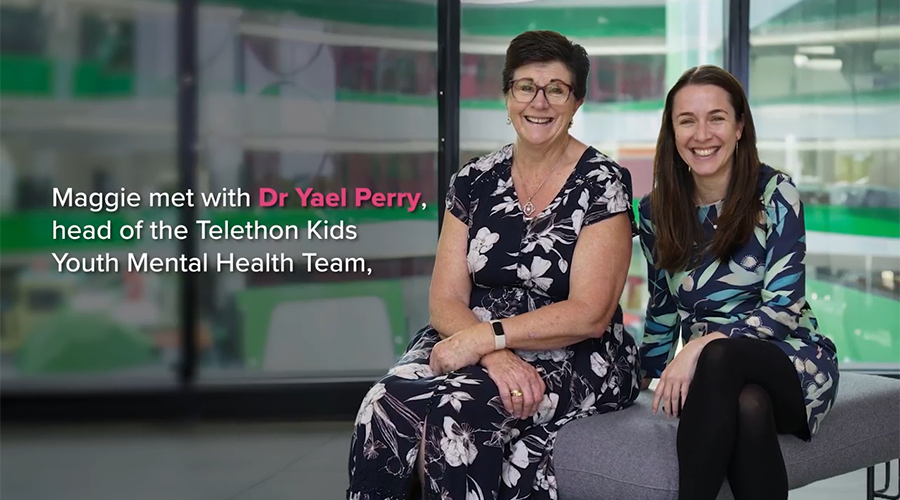
We were delighted to have Australia’s best-known parenting author, Maggie Dent, back at The Kids Research Institute Australia this week, to talk about the mental health of our teenagers.
Dissociative symptoms are linked to experiences of trauma, often originating in childhood and adolescence. Dissociative disorders are associated with a high burden of illness and a poor quality of life. Despite evidence suggesting that early intervention can improve outcomes, little research exists on the treatment of dissociative disorders in childhood and adolescence.
The social media application TikTok allows users to view and upload short-form videos. Recent evidence suggests it has significant potential for both industry and health promoters to influence public health behaviours. This protocol describes a standardised, replicable process for investigations that can be tailored to various areas of research interest, allowing comparison of content and features across public health topics.
The Western Australia (WA) Respiratory Infections Linked Data Platform is a population-based cohort established to investigate the epidemiology of RSV and other respiratory infections in children aged 0-10 years, incorporating microbiological testing patterns, hospital admissions, emergency department presentations, and socio-demographic data.
Young Australians experiencing homelessness are at elevated risk of suicidal thoughts and behaviors. LivingWorks’ safeTALK training teaches people the necessary skills for responding to someone thinking of suicide, including how to connect them with further support.