
Search
Healthy skin is important for maintaining overall physical and cultural health and wellbeing. However, remote-living Australian Aboriginal children contend with disproportionally high rates of Streptococcus pyogenes (Strep A) infected impetigo.
The aim of establishing a local presence is based upon an intention to be by invitation considered as part of the Kimberley group of organisations as well ...
Discharge against medical advice (DAMA) is a priority issue for the health system. Little is known about the factors associated with DAMA for Aboriginal and/or Torres Strait Islander (Aboriginal) children in Australia.
Working with bereaved parents in co-designed stillbirth research, policy and practice is essential to improving care and outcomes.
We are working with the leadership and staff at foster care agencies and community members to provide information about cultural connection, and cultural activity and resources for Aboriginal children living in non-Aboriginal care arrangements.
People living with rare diseases had a high risk of negative health outcomes due to COVID-19. Pandemic preparedness will ensure best practice procedures and optimal outcomes during future pandemic events. This paper sought to understand the needs of children with rare diseases during the COVID-19 pandemic to inform preparation for future pandemic and disaster events. First, impacts and outcomes from the COVID-19 pandemic on people living with rare disease were identified in the literature.
Despite the volume of accumulating knowledge from prospective Aboriginal cohort studies, longitudinal data describing developmental trajectories in health and well-being is limited.
Alcohol related harms disproportionately affect Aboriginal people in Australia. Motives to drink have been identified as the most proximal factor to alcohol consumption.The aim of this study is to assess the validity of a culturally modified Drinking Motives Questionnaire-Revised (DMQ-R) (Cooper, 1994) with Aboriginal participants. The study was cross sectional, utilising data collected via face-to-face surveys with a sample of adult Aboriginal participants.
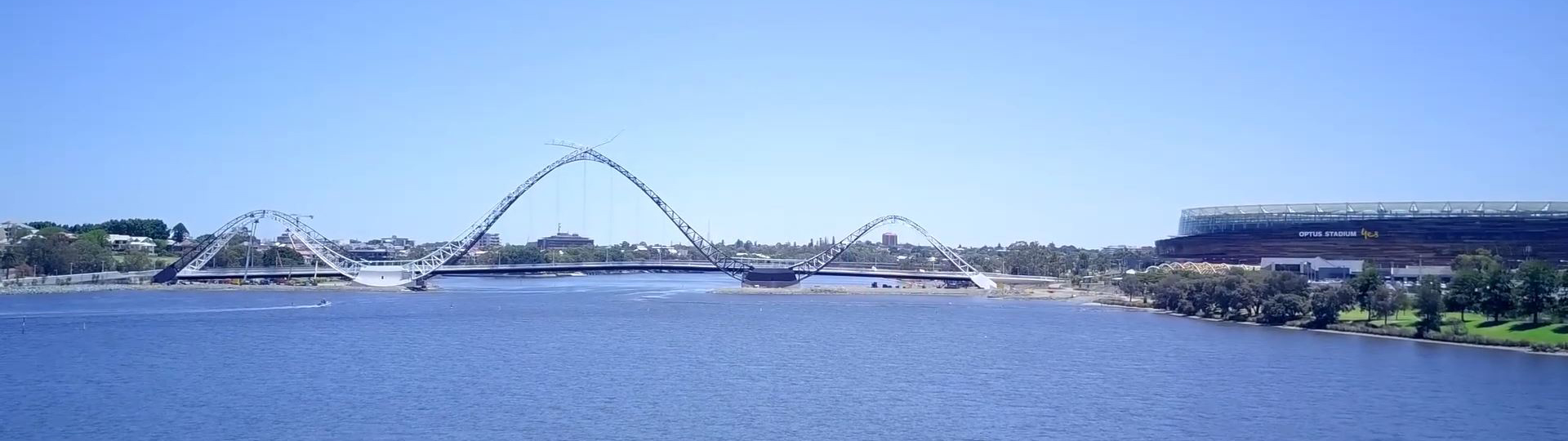
The fifth Big Elders meeting/gathering was held on the Wednesday, 28th of February 2024 at Burswood on Swan.
This research project was part of the broader Ngulluk Koolunga Ngulluk Koort (Our Children, Our Heart) five-year (2016 to 2020) project.