
Search
Antimicrobial resistance poses a significant threat to modern healthcare as it limits treatment options for bacterial infections, particularly impacting those with chronic conditions such as cystic fibrosis (CF). Viscous mucus accumulation in the lungs of individuals genetically predisposed to CF leads to recurrent bacterial infections, necessitating prolonged antimicrobial chemotherapy. Pseudomonas aeruginosa infections are the predominant driver of CF lung disease, and airway isolates are frequently resistant to multiple antimicrobials.
Chronic wet cough in children is the hallmark symptom of protracted bacterial bronchitis (PBB) and if left untreated can lead to bronchiectasis, which is prevalent in Indigenous populations. Underrecognition of chronic wet cough by parents and clinicians and underdiagnosis of PBB by clinicians are known.
Pulmonary exacerbations in cystic fibrosis are characterized by airway inflammation and may cause irreversible lung damage. Early identification of such exacerbations may facilitate early initiation of treatment, thereby potentially reducing long-term morbidity. Research question: Is it possible to predict pulmonary exacerbations in children with cystic fibrosis, using inflammatory markers obtained from BAL fluid?
In recent years the study of the commensal microbiota is driving a remarkable paradigm shift in our understanding of human physiology. However, intrinsic technical difficulties associated with investigating the Microbiomics of some body niches are hampering the development of new knowledge. This is particularly the case when investigating the functional role played by the human microbiota in modulating the physiology of key organ systems. A major hurdle in investigating specific Microbiome communities is linked to low bacterial density and susceptibility to bias caused by environmental contamination.
The Wal-yan Respiratory Research Centre is a global epicentre for paediatric respiratory research, informing clinical practice and driving a new research agenda for childhood lung health.
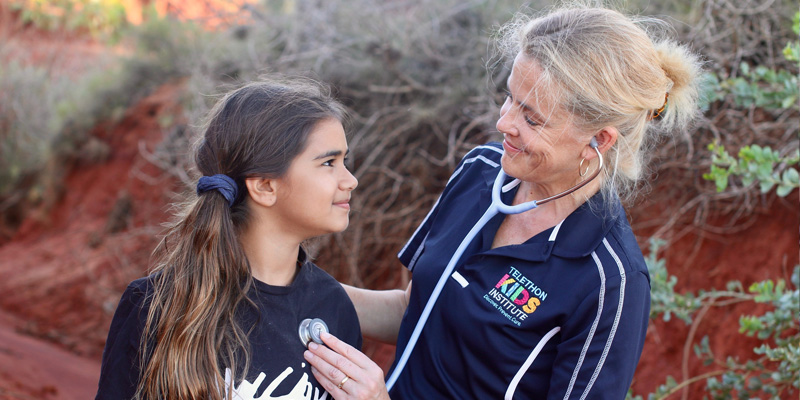
Almost one in five children across four remote Kimberley communities has some form of chronic lung disease, according to a new study co-designed and conducted in partnership with Aboriginal communities.
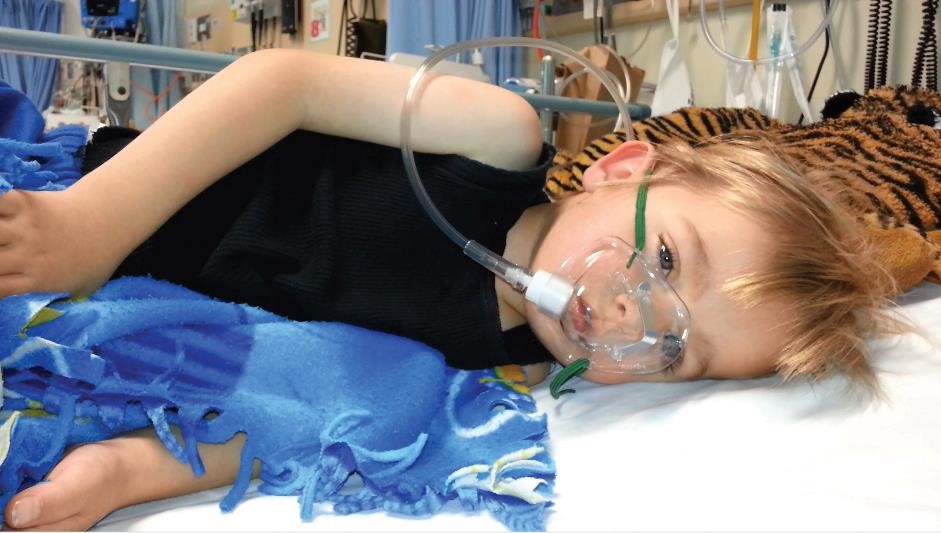
An ambitious project that could stop children developing asthma is the centrepiece of a new world-class respiratory research centre launched in Perth.
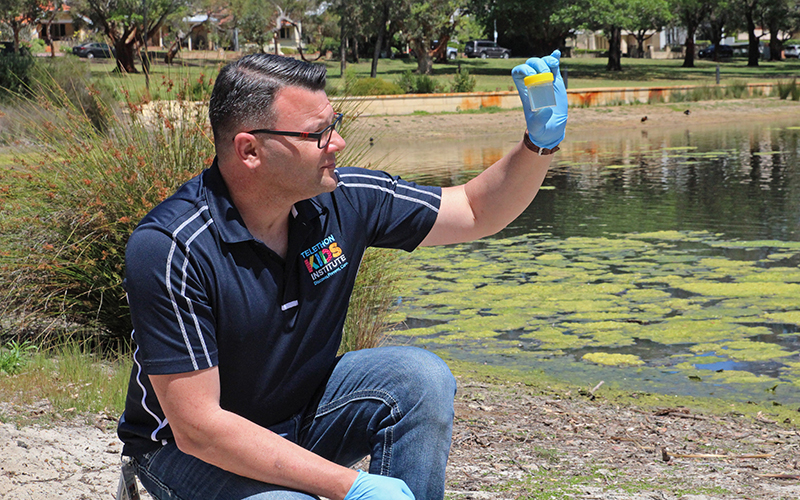
Perth researchers have discovered a predatory virus living in the city’s lakes and rivers that can fight antibiotic-resistant superbugs in children.
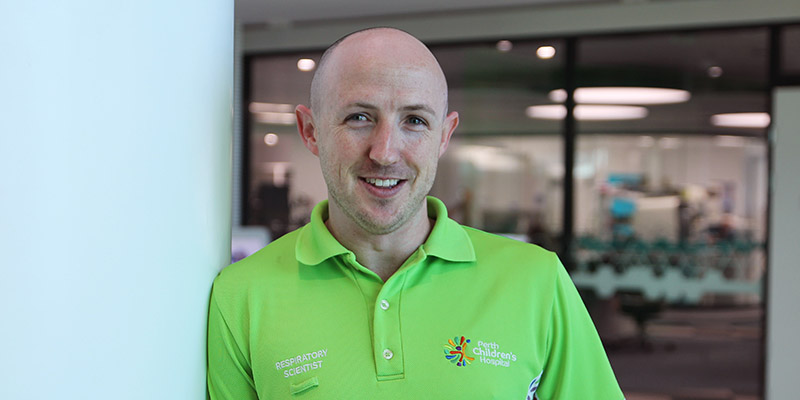
Parents of children born prematurely have expressed concerns about their child’s lung health when they exercise, with symptoms such as breathlessness.
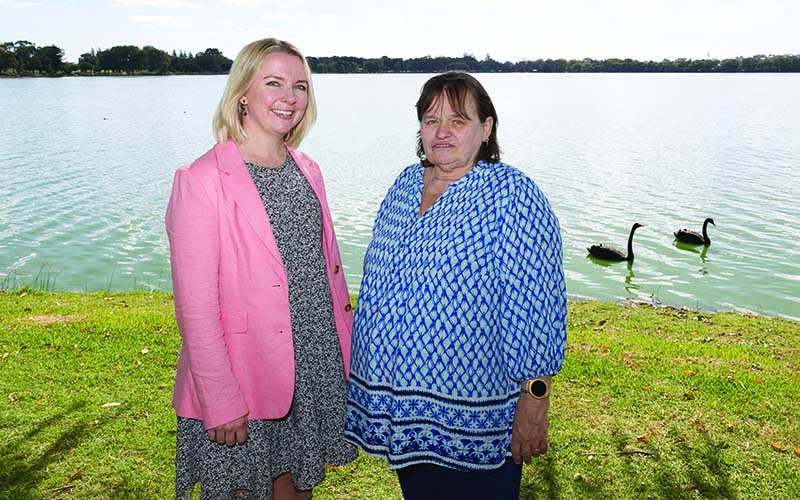
In Aboriginal culture, water is life, holding powerful spiritual and cultural significance and acting as a vital source of connection, food and medicine.