
Search
Children with Down syndrome (DS, trisomy 21) are at a significantly higher risk of developing acute leukemia compared to the overall population. Many studies investigating the link between trisomy 21 and leukemia initiation and progression have been conducted over the last two decades.
This article aims to critically review the literature on continuous electroencephalography (cEEG) monitoring in the intensive care unit (ICU) from an Australian and New Zealand perspective and provide recommendations for clinicians. Design and review methods: A taskforce of adult and paediatric neurologists, selected by the Epilepsy Society of Australia, reviewed the literature on cEEG for seizure detection in critically ill neonates, children, and adults in the ICU.
Advances in screening and diagnostics have changed the way in which we identify and diagnose congenital anomalies.
Besides motor impairments, up to 90% of the children and adolescents with unilateral cerebral palsy (uCP) present with somatosensory impairments in the upper limb. As somatosensory information is of utmost importance for coordinated movements and motor learning, somatosensory impairments can further compromise the effective use of the impaired upper limb in daily life activities.
CDKL5 deficiency disorder (CDD) is a genetically caused developmental epileptic encephalopathy that causes severe communication impairments. Communication of individuals with CDD is not well understood in the literature and currently available measures are not well validated in this population. Accurate and sensitive measurement of the communication of individuals with CDD is important for understanding this condition, clinical practice, and upcoming interventional trials.
Siblings of individuals with neurodevelopmental conditions (NDCs) are a minority population at higher genetic and environmental risk of poorer neurocognitive and psychosocial outcomes compared to siblings of individuals without NDCs.
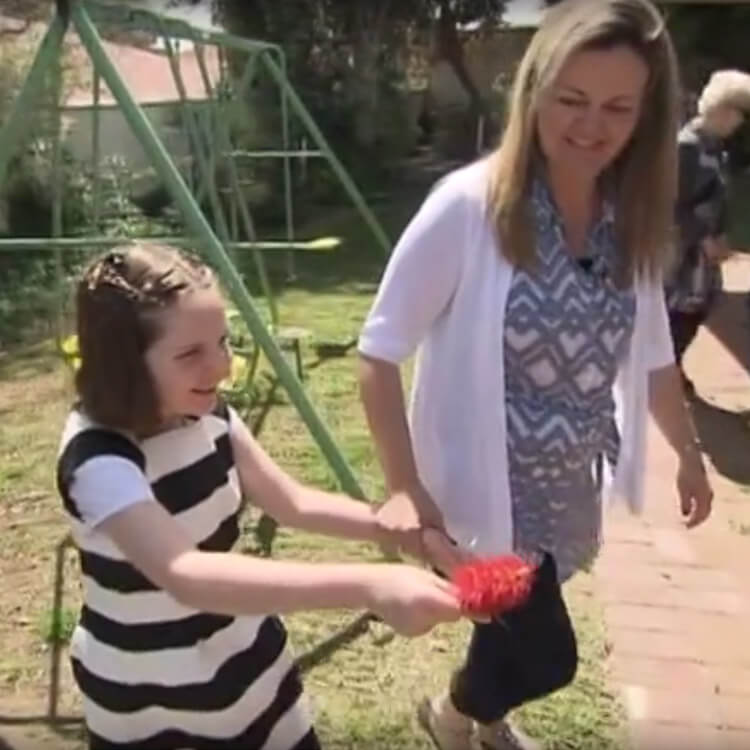
Researchers at The Kids Research Institute Australia are one step closer to finding better treatments for a rare disease causing children to have multiple seizures a day.
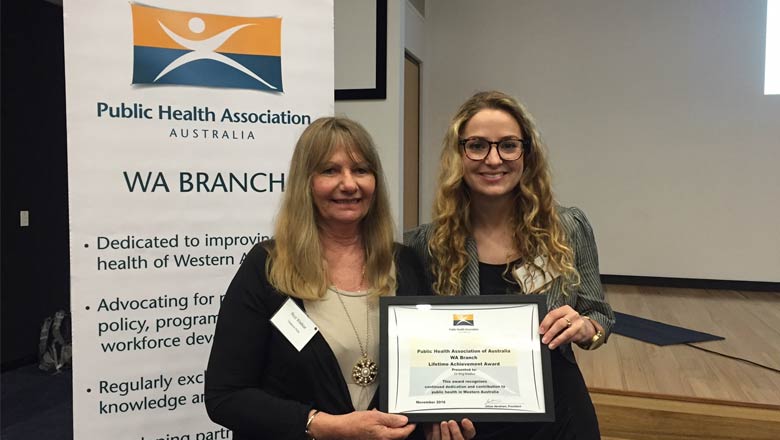
Two The Kids researchers working to improve the health & wellbeing of Aboriginal children & their families have both been honoured at the PHAA Awards.
Professor Carol Bower has received the prestigious ICBDSR Distinguished Service Award for her work on birth defects - a career that spans 35 years.
This study investigated the influence of factors at birth and in infancy on the likelihood of achieving major motor milestones in CDKL5 Deficiency Disorder (CDD). Data on 350 individuals with a pathogenic CDKL5 variant was sourced from the International CDKL5 Disorder Database.