
Search
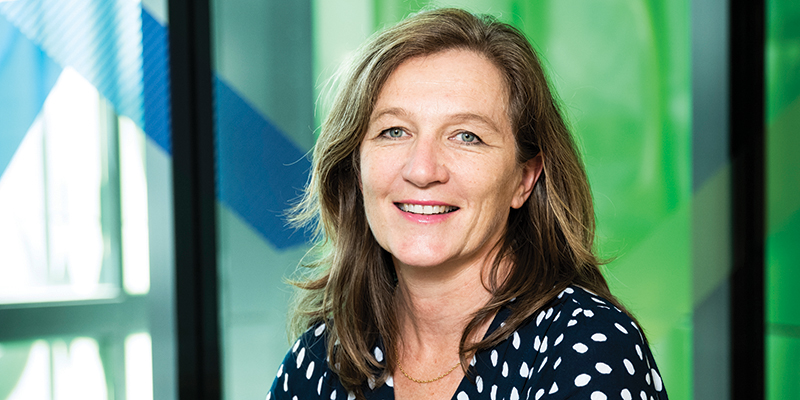
Researchers at the Children’s Diabetes Centre at The Kids Research Institute Australia have begun researching type 2 diabetes to tackle the rising incidence of the disease among young people in Australia.
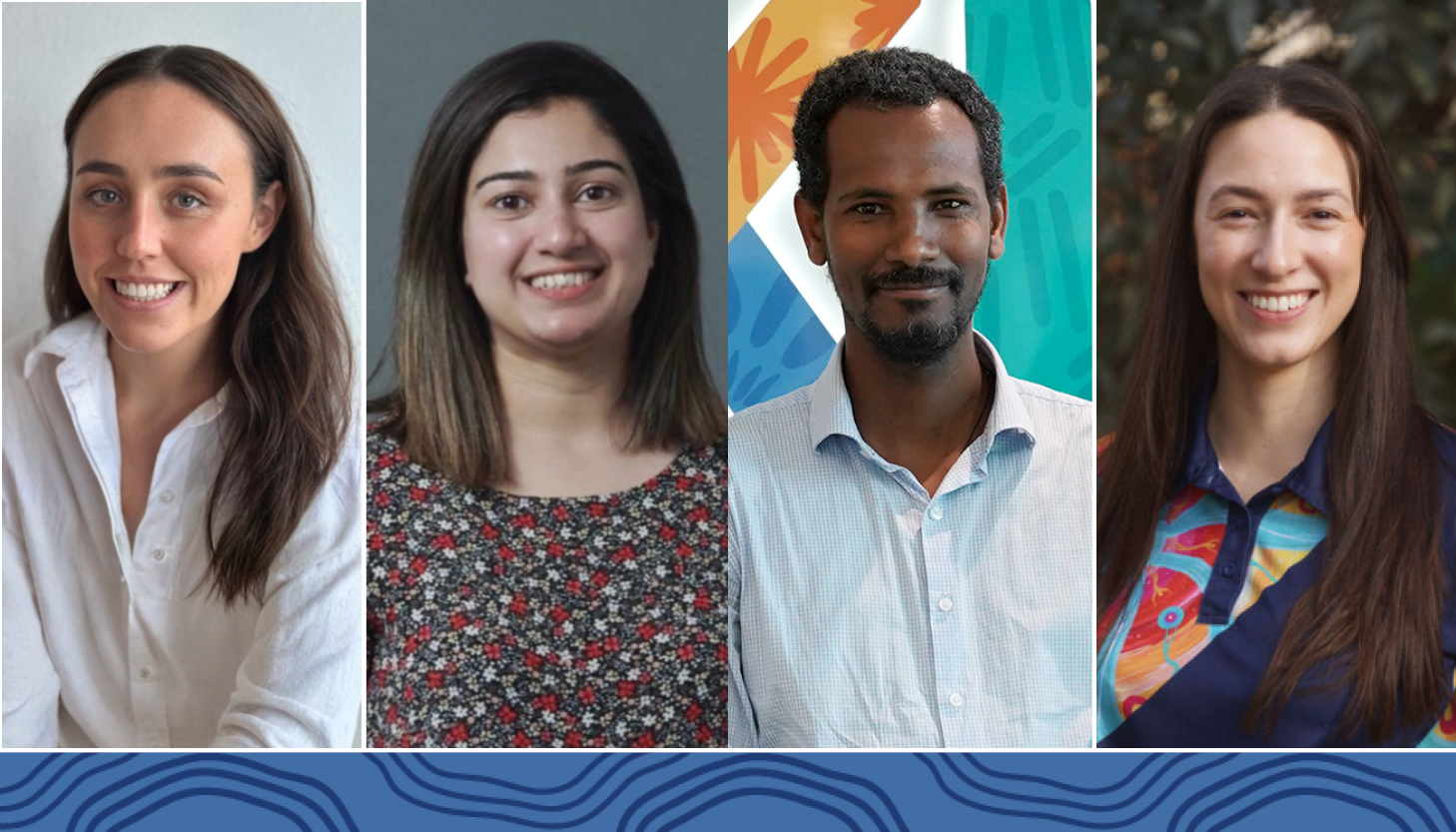
Congratulations to four outstanding early-career researchers from The Kids Research Institute Australia, who have been awarded BrightSpark Foundation fellowships and project funding for 2026.
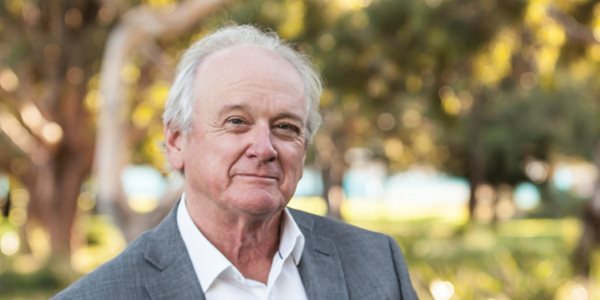
The Centre is currently involved in an international effort to develop revolutionary closed- loop 'artificial pancreas' technology. It is also leading a multi-centre Australian trial of these portable devices at home in young people with diabetes.
A lifelong auto-immune condition that can affect anyone, but is most commonly diagnosed in childhood.

The teenage years can be a challenging time for families, a period made even more difficult if a child has type 1 diabetes.
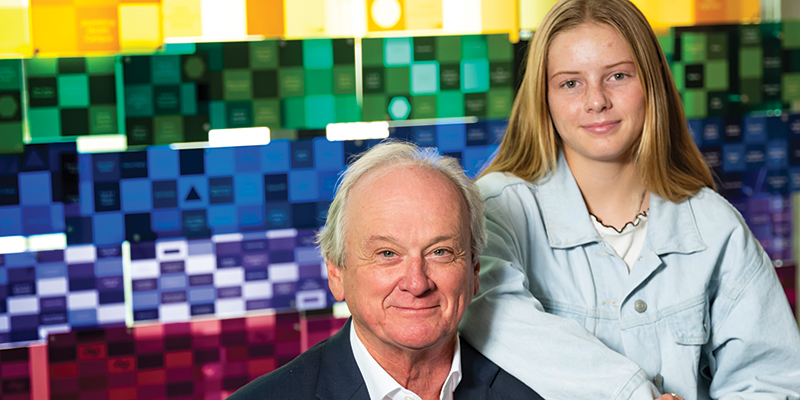
Recent diabetes technology is helping 12-year-old Drina keep on top of her condition and be independent, while significantly easing the disease burden on her family.
To test the utility and acceptability of a novel VR training tool for community health practitioners in assessing diabetes-related foot disease in Aboriginal and Torres Strait Islander people.
Diabetes is the name for a number of different metabolic disorders in which the body's healthy levels of blood sugar (glucose) can't be maintained.Diabetes can have a significant impact on quality of life should complications develop. Diabetes can affect the individual's entire body.
Self-monitoring of glycaemia is a cornerstone of diabetes management, particularly for people using insulin. Traditionally, glucose monitoring involved finger-pricking and measuring capillary blood glucose concentration. Continuous glucose monitors have revolutionised self-monitoring of glucose levels.
To map and systematise existing research on the use of artificial intelligence (AI) in mental health-based diabetes care contexts, identify trends and potential gaps in the literature, examine methodological limitations and highlight future research directions.