
Search
Vaccination is the most effective strategy for preventing influenza infection in pregnancy.
A double-blind, placebo-controlled clinical trial was conducted investigating the use of low-dose oral interferon alpha for preventing acute viral...
A pooled analysis was conducted of 1,257 toddlers who received a fourth dose of Haemophilus influenzae type b- Neisseria meningitidis serogroups C and...
Children in low-mid income countries, and First Nations children in high-income countries, experience disproportionately high rates of Streptococcus pneumoniae and Haemophilus influenzae infections and diseases including pneumonia and otitis media.
Children with chronic medical conditions are at increased risk of severe influenza. Uptake of influenza vaccination in children and adolescents with these identified special risk medical conditions is suboptimal.
Seasonal inactivated influenza vaccine (IIV) is routinely recommended during pregnancy to protect both mothers and infants from complications following influenza infection. While previous studies have evaluated the risk of major structural birth defects in infants associated with prenatal administration of monovalent pandemic IIV, fewer studies have evaluated the risk associated with prenatal seasonal IIV.
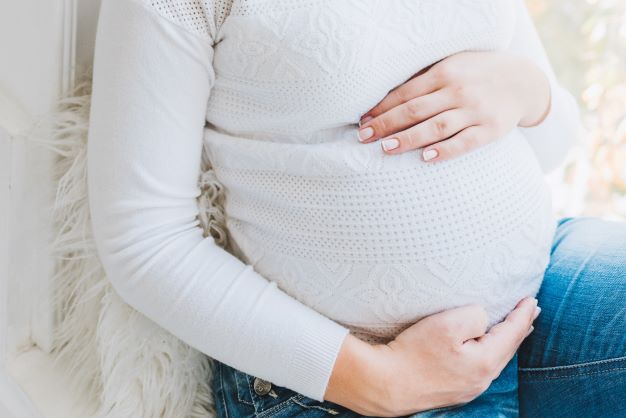
New collaborative research involving almost 600,000 pregnant mothers has demonstrated a dramatic increase in uptake of the whooping cough (pertussis) vaccine after identifying just 22 per cent of WA women had the maternal vaccination between 2012 – 2017.
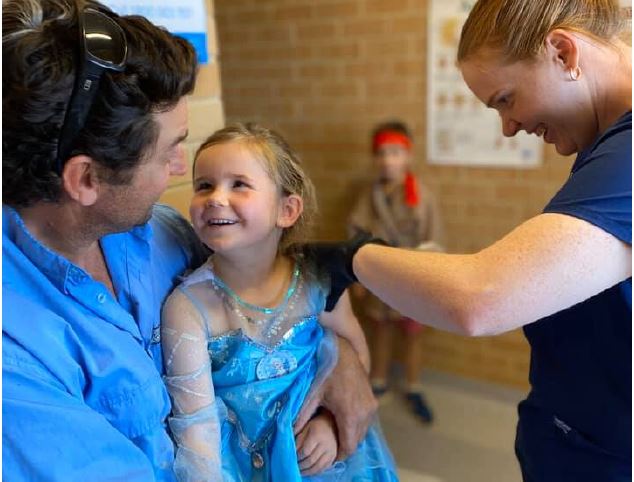
Infectious disease researchers who used a decade of scientific evidence to advocate for a nationwide childhood influenza immunisation policy have earned a finalist position at the country’s most prestigious science awards – the Australian Museum Eureka Prizes.
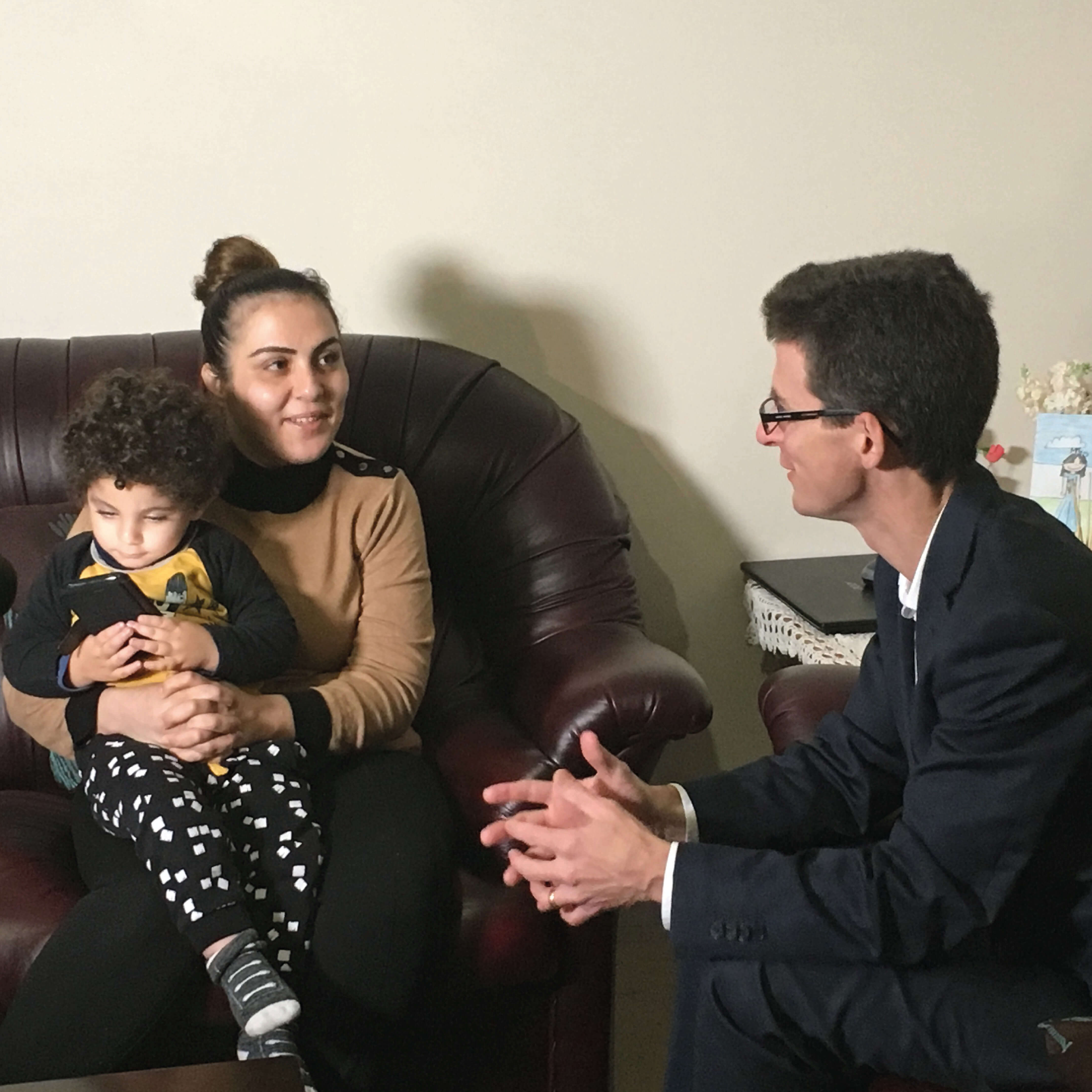
Perth parents are underestimating the serious consequences of the flu, with only 19 per cent of children under five years of age currently immunized against the virus ahead of the peak winter flu season.
Immunisation is the most effective way of protecting your child against a range of serious illnesses, including measles, hepatitis B and whooping cough. All vaccines used in Australia undergo stringent testing and ongoing monitoring.