
Search
Tracheal intubation in neonates and infants is a potentially life-saving procedure. Video laryngoscopy has been found to improve first-attempt tracheal intubation success and reduce complications compared with direct laryngoscopy in children younger than 12 months.
This review summarises the current evidence for the perioperative preparation in children with upper respiratory tract infections (URTI), including COVID-19 infection. URTI, including COVID-19 infection, are common and frequent in children who present for elective surgery. Children with URTI are at increased risk of perioperative respiratory adverse events.
Tubeless upper airway surgery in children is a complex procedure in which surgeons and anaesthetists share the same operating field. These procedures are often interrupted for rescue oxygen therapy.
Tonsillectomy is one of the most common surgical procedures in childhood. While generally safe, it often is associated with a difficult early recovery phase with poor oral intake, dehydration, difficult or painful swallowing, postoperative bleeding, infection and/or otalgia.
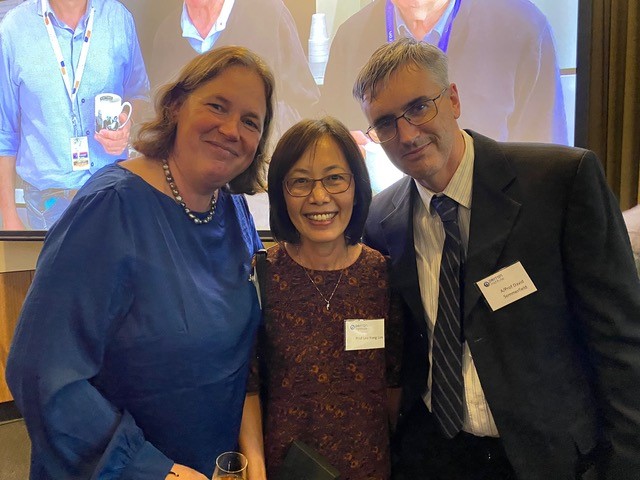
A research team dedicated to making anaesthesia and surgery safer and more comfortable for babies and children has been awarded an inaugural Byron Kakulas Medal by WA’s Perron Institute.
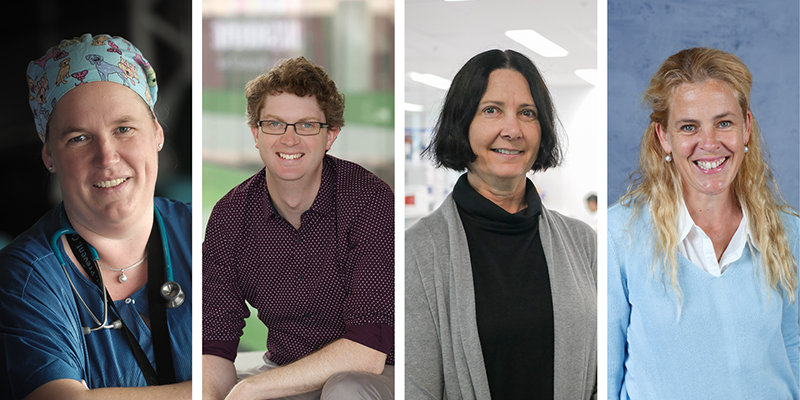
Research projects sharing in a $2.1 million funding boost will seek to translate research findings into changes that benefit patients and help the health system run more efficiently.
The relationship between anesthetic technique and pediatric oncological outcomes is an emerging field of interest. With significant improvements in childhood cancer survival in recent decades, there is an increased focus on optimizing the quality of survival and reducing the incidence of metastasis and recurrence. The aim of this narrative review article is to investigate and consolidate the current available evidence assessing the immunomodulatory effects of anesthesia in the pediatric oncology population.
Britta Regli-von Ungern-Sternberg AM FAHMS MD, PhD, DEAA, FANZA Chair of Paediatric anaesthesia, University of Western Australia; Consultant
Britta Regli-von Ungern-Sternberg AM FAHMS MD, PhD, DEAA, FANZA Chair of Paediatric anaesthesia, University of Western Australia; Consultant
dentifying the outcomes that matter in clinical research is important, especially those that matter to patients and their parents/guardians. Consistency in outcome reporting enables meaningful assessments of interventions and facilitates comparison of results across trials. The aim of this study was to develop core outcome sets for pediatric perioperative research.