
Search
We present the case of a prepubescent man of African descent who developed a spitzoid melanocytic proliferation showing evidence of a novel promoter hijacking ALK-C2orf42 rearrangement, with atypical histology, clinically apparent metastatic disease, and abnormal cytogenetic findings, representing a rare genuine case of "Spitz melanoma of childhood."
Sepsis, for children and their parents, is a life-altering illness with far-reaching psychosocial and physical impacts. We aimed to explore the needs of such patients and their parents after hospital admission for sepsis to inform the development of a Western Australian postsepsis care service.
Rare diseases (RD) are conditions affecting fewer than 1 in 2000 persons, with over 7000 largely genetic RDs affecting 3.5 %-5.9 % of the global population, or approximately 262.9–446.2 million people. The substantial healthcare burden and costs, such as the $1 trillion annual expense in the USA, highlight the urgent need for improved RD management. The International Rare Diseases Research Consortium (IRDiRC) addresses this need through global collaboration, aiming for timely and accurate diagnosis, development of 1000 new therapies, and methodologies to measure impact by 2027.
Citation: MacDonald B, Burmaz M, Baker S, et al. TrialR: critical enablers and the need for reusable Rare Disease Clinical Trial infrastructure in
There is a greater prevalence of multiple sclerosis (MS), a neurological autoimmune condition, in populations living further from the equator, hypothesised to be due to reduced sunlight exposure. There exists a proven sunlight surrogate therapy for dermatological inflammatory conditions, in the form of narrowband NB-UVB phototherapy. Yet, there is a paucity of randomized trials of the therapeutic delivery of NB-UVB beyond dermatology for conditions with a systemic inflammatory component.

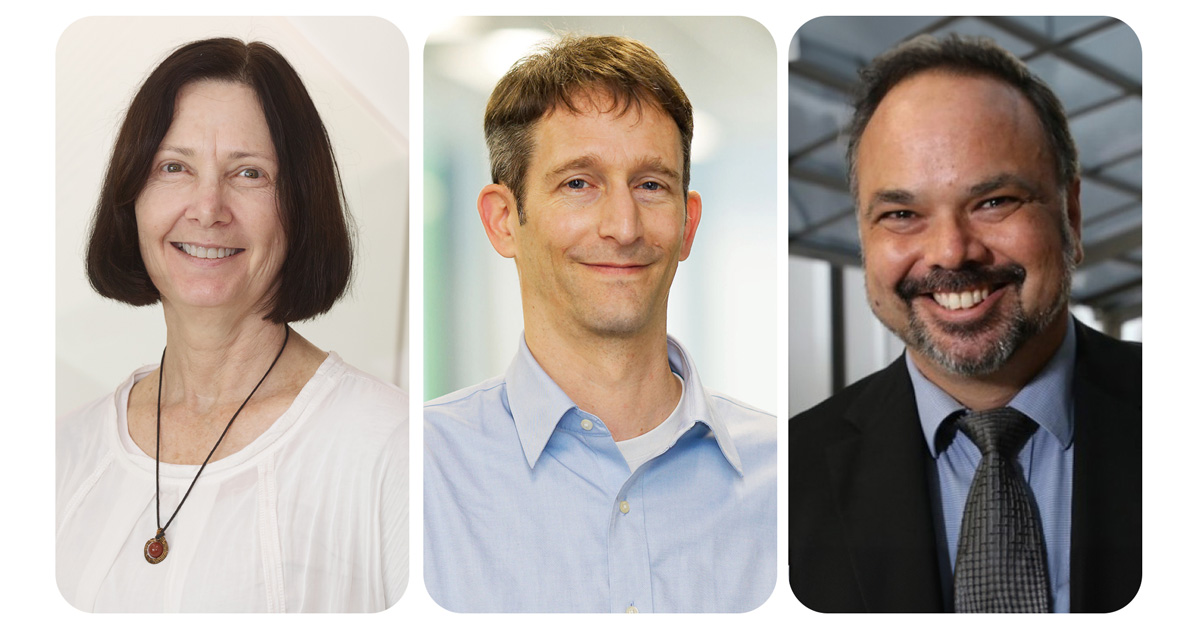
Recently, researchers from The Kids Research Institute Australia, Perth Children’s Hospital and The University of Western Australia contributed to three major international publications, collectively reinforcing rare diseases as a critical, community-wide health priority.

The Kids Research Institute Australia is proud to be a part of the Rare Care Comprehensive Centre (RCCC) for children with rare and undiagnosed disease, made possible thanks to one of Western Australia’s biggest philanthropic gifts.
Research that screens novel genetic variants identified in disease will be fast-tracked by a funding boost, offering new hope of an early diagnosis for families of children with a rare or undiagnosed genetic disease.
In recent years, a small number of people with rare diseases caused by unique genetic variants have been treated with therapies developed specifically for them. This pioneering field of genetic N-of-1 therapies is evolving rapidly, giving hope for the individualized treatment of people living with very rare diseases.
The diagnostic odyssey for people living with rare diseases (PLWRD) is often prolonged for myriad reasons including an initial failure to consider rare disease and challenges to systemically and systematically identifying and tracking undiagnosed diseases across the diagnostic journey.