
Search
The transition to motherhood can be challenging, especially for first-time mothers, and can accompany maternal distress. Social support—such as that offered by peers—can be important in assisting mothers to manage such distress.
Positive maternal mental health during the perinatal period contributes to general well-being and positive emotional bonds with the child, encouraging an optimal developmental trajectory. Online interventions to enhance maternal well-being and develop coping skills, such as meditation-based interventions, can be a low-cost way to improve mother and child outcomes.
Probiotic supplementation in the neonatal period results in improved gut colonisation with probiotic bacteria in the short term. There is limited information on the long-term sustainability of this colonisation.
Cohort studies investigating respiratory disease pathogenesis aim to pair mechanistic investigations with longitudinal virus detection but are limited by the burden of methods tracking illness over time. In this study, we explored the utility of a purpose-built AERIAL TempTracker smartphone app to assess real-time data collection and adherence monitoring and overall burden to participants, while identifying symptomatic respiratory illnesses in two birth cohort studies.
Investigators: Nicole Burger Assisted reproductive technologies have been associated with adverse perinatal outcomes, however subfertile women who
The aims of the present study were to (i) examine the relationship between children's degree of adiposity and psychosocial functioning; and (ii) compare patterns of clustering of psychosocial measures between healthy weight and overweight/obese children.
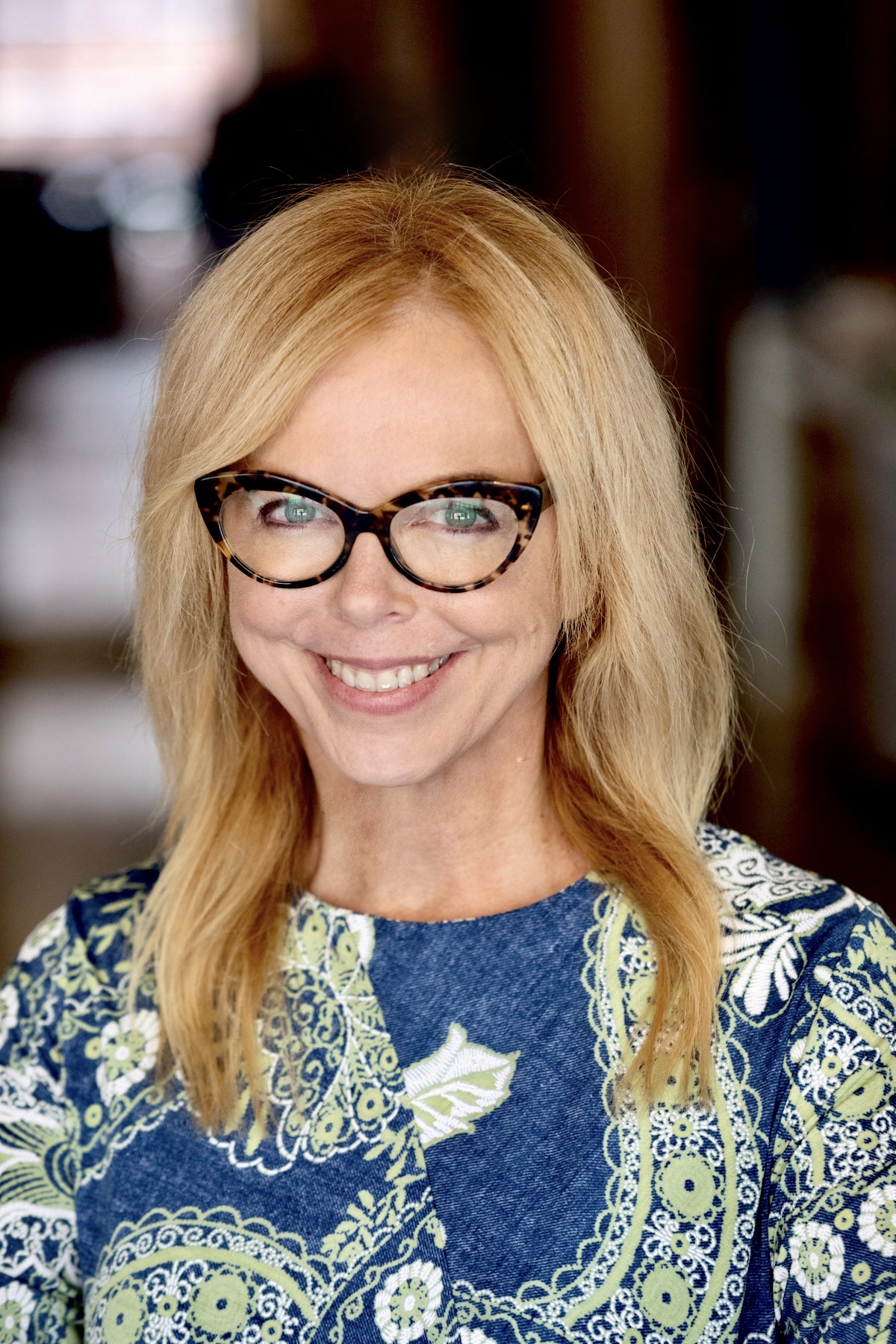
Honorary Research Fellow
Susan Prescott MBBS BMedSci PhD FRACP Honorary Research Fellow susan.prescott@thekids.org.au Honorary Research Fellow Professor Susan L. Prescott, MD
Desiree Silva MBBS, FRACP, MPH, PhD Co-Director, ORIGINS desiree.silva@thekids.org.au Co-Head, The ORIGINS Project Professor Desiree Silva is
Debbie Susan Desiree Palmer Prescott Silva BSc BND PhD MBBS BMedSci PhD FRACP MBBS, FRACP, MPH, PhD Head, Nutrition in Early Life Honorary Research