
Search
Meningococcal serogroup B (MenB) strains are highly diverse. Breadth of immune response for the MenB vaccine, 4CMenB, administered at 0-2, 0-6, or 0-2-6 months, was demonstrated by endogenous complement-human serum bactericidal antibody (enc-hSBA) assay against an epidemiologically relevant panel of 110 MenB strains.
Histo-blood group antigens (HBGAs) may influence immune responses to rotavirus vaccination.
V114 (15-valent pneumococcal conjugate vaccine [PCV]) contains all serotypes in 13-valent PCV (PCV13) and additional serotypes 22F and 33F. This study evaluated safety and immunogenicity of V114 compared with PCV13 in healthy infants, and concomitant administration with DTPa-HBV-IPV/Hib and rotavirus RV1 vaccines.
There are well-described sex-based differences in how the immune system operates. In particular, cisgender (cis) females have a more easily activated immune system; associated with an increased prevalence of autoimmune diseases and adverse events following vaccinations. Conversely, cis males have a higher threshold for immune activation, and are more prone to certain infectious diseases, such as coronavirus disease (COVID-19).
Culturally and Linguistically Diverse (CALD) groups within high-income countries are at risk of being left behind by the COVID-19 vaccination rollout. They face both access and attitudinal barriers, including low trust in government and health authorities.

Enrolments for Australia’s first needle-free, gene-based COVID-19 vaccine study – to be led in WA by The Kids Research Institute Australia – are open.
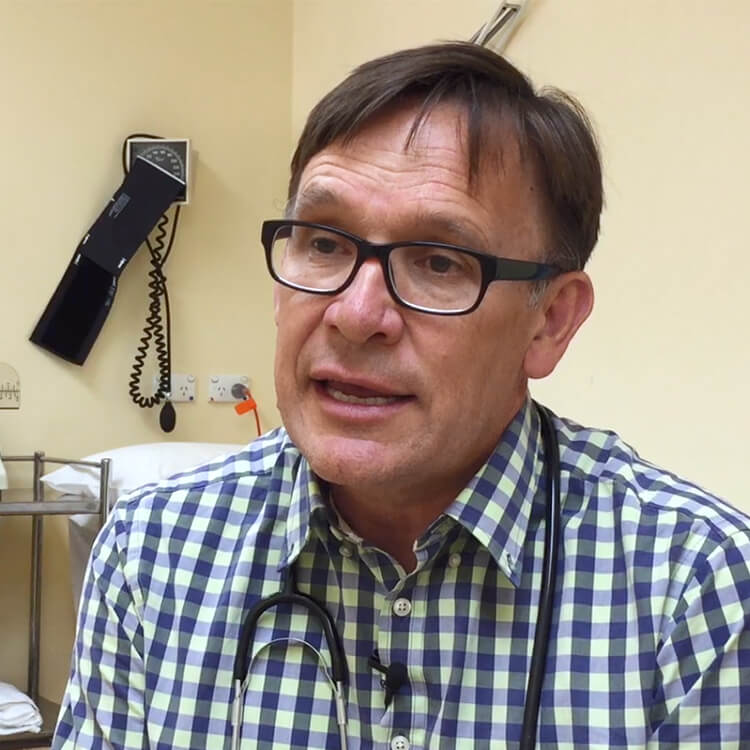
A new study has confirmed the changing pattern of meningococcal disease in Western Australia.
An international team of researchers has pioneered a technique which gives unprecedented insight into the dramatic changes occurring in a baby’s body in the first week of life.
As many as a quarter of Australian babies aren’t getting vaccinated on time, leaving them at risk of developing life-threatening illnesses such as whooping cough when they are most vulnerable.
New research investigating the devastating impact of the 2017 flu season by PAEDS-FluCAN, a national collaboration observing influenza in children, confirmed it was time to take action after thousands of children were hospitalised with the virus last year.