
Search
The ‘Ngangk Ngabala Ngoonda (Sun Safety) of Aboriginal young mob of WA’ is a community-led project that aims to identify the sun safety needs and strengthen sun safety knowledge of Aboriginal Children and Young People in Western Australia.
Asha Tom Bowen Snelling BA MBBS DCH FRACP PhD GAICD FAHMS OAM BMBS DTMH GDipClinEpid PhD FRACP Head, Healthy Skin and ARF Prevention Head, Infectious
International consensus definitions for invasive aspergillosis (IA) in research are rigorous, yet clinically significant cases are often excluded from clinical studies for not meeting proven/probable IA case definitions. To better understand reasons for the failure to meet criteria for proven/probable infection, we herein review 47 such cases for their clinical and microbiological characteristics and outcomes.
Surgery is an essential part of cancer treatment, particularly for localised solid tumours. Geriatric assessments (GA) with tailored interventions or comprehensive GA (CGA) can identify frailty factors and needs of older adults with cancer, assisting treatment decisions and care strategies to reduce postoperative complications. This systematic review summarises the effects of GA/CGA compared to usual care for older adults with cancer intended for surgery: their impact on treatment decisions, supportive care interventions, postoperative complications, survival, and health-related quality of life.
The STARFISH (STopping Acute Rheumatic Fever Infections to Strengthen Health) program, funded by the NHMRC Synergy Grant, investigates the most effective environmental health initiatives (EHIs) to reduce Strep A infections and prevent ARF.
Improving our understanding of superficial Streptococcus pyogenes (Strep A) carriage and transmission necessitates robust sampling methods. Here, we compared the effect of storing swab samples in fridge (+4°C) and freezer (-20°C) conditions on the recovery of laboratory-cultured S. pyogenes.
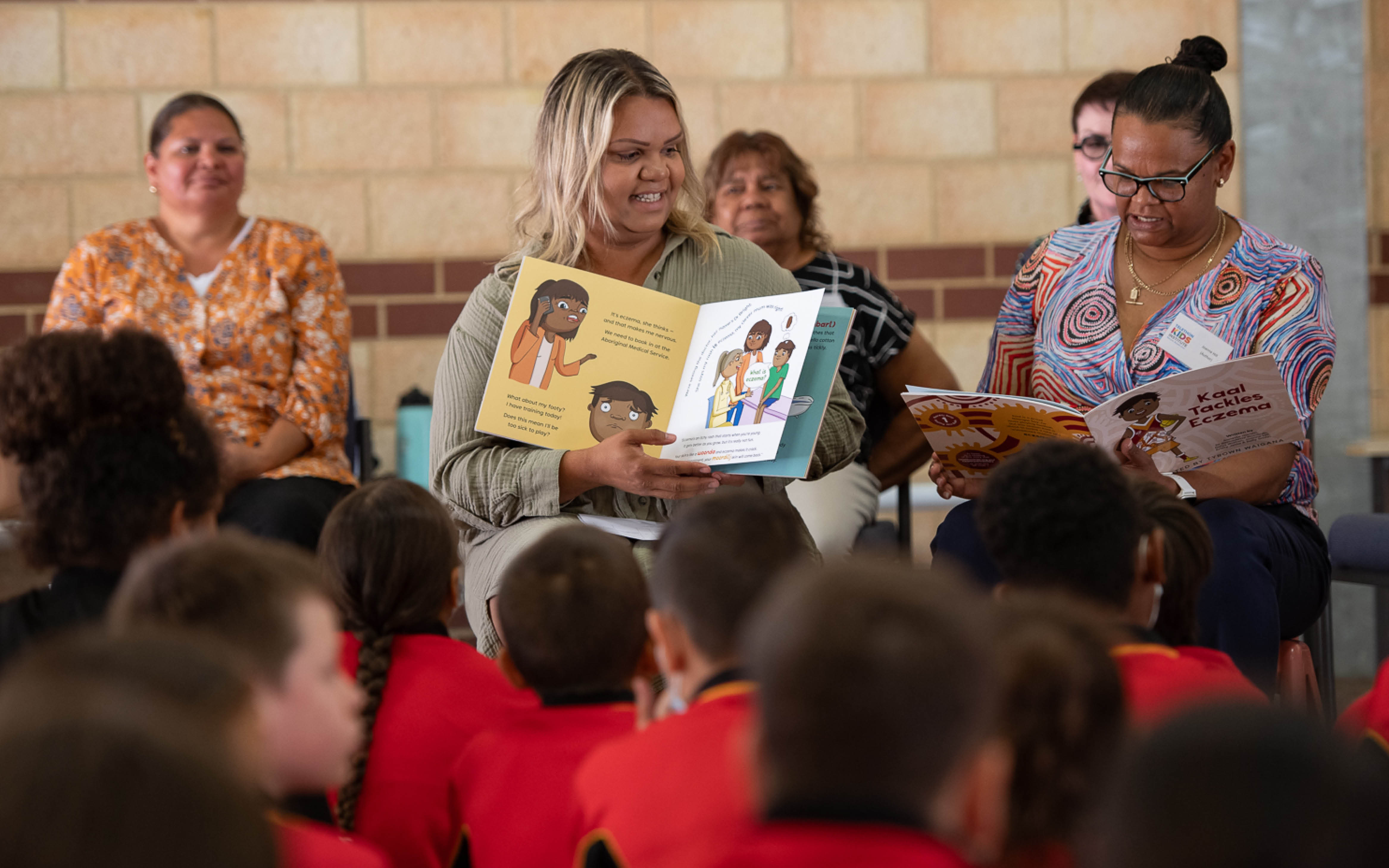
Our aim is for all kids to have healthy skin. We work with communities to reduce the burden of Strep A skin sores and sore throats to prevent rheumatic fever.
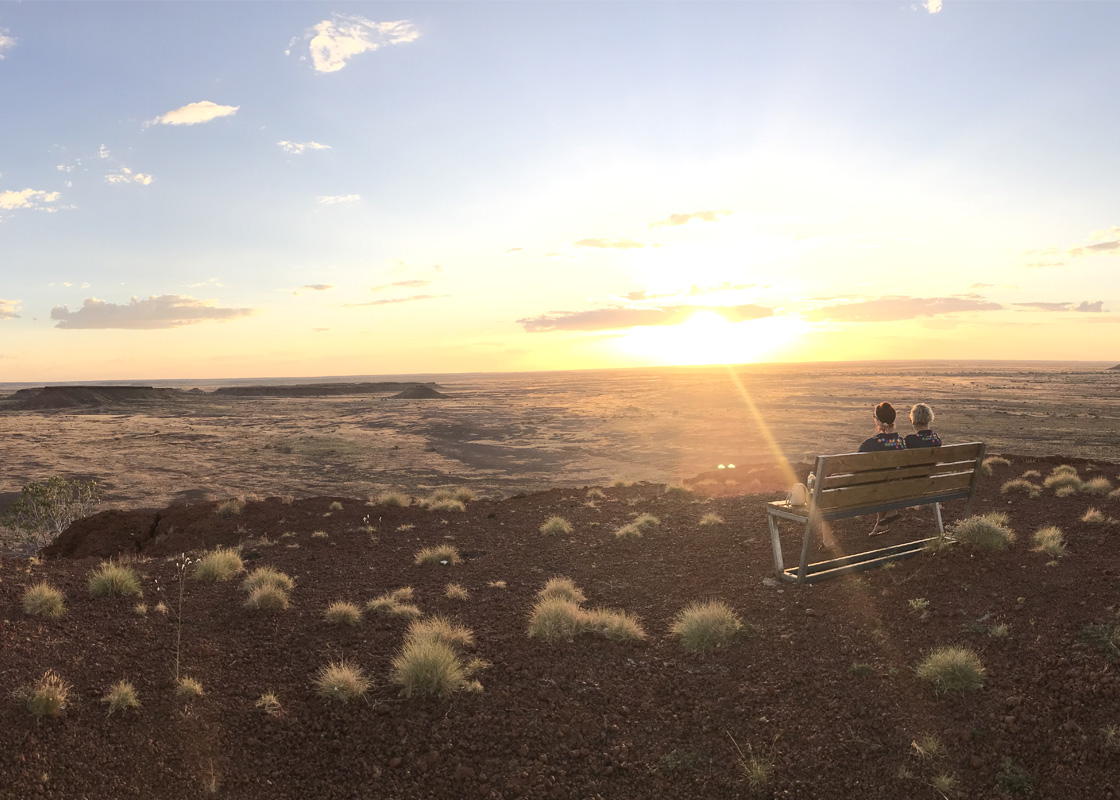
Working alongside the Healthy Skin & ARF Prevention team, clinicians and other researchers; Elder researchers and community members have driven the co-design of healthy skin promotion resources localised to their community.
Designed by community for community, the Strong Skin App is a go-to resource to support your skin health.
While there are many skin infections, reducing the burden of scabies and impetigo for remote living Aboriginal people, particularly children remains challenging. Aboriginal children living in remote communities have experienced the highest reported rate of impetigo in the world and are 15 times more likely to be admitted to hospital with a skin infection compared to non-Aboriginal children.