
Search
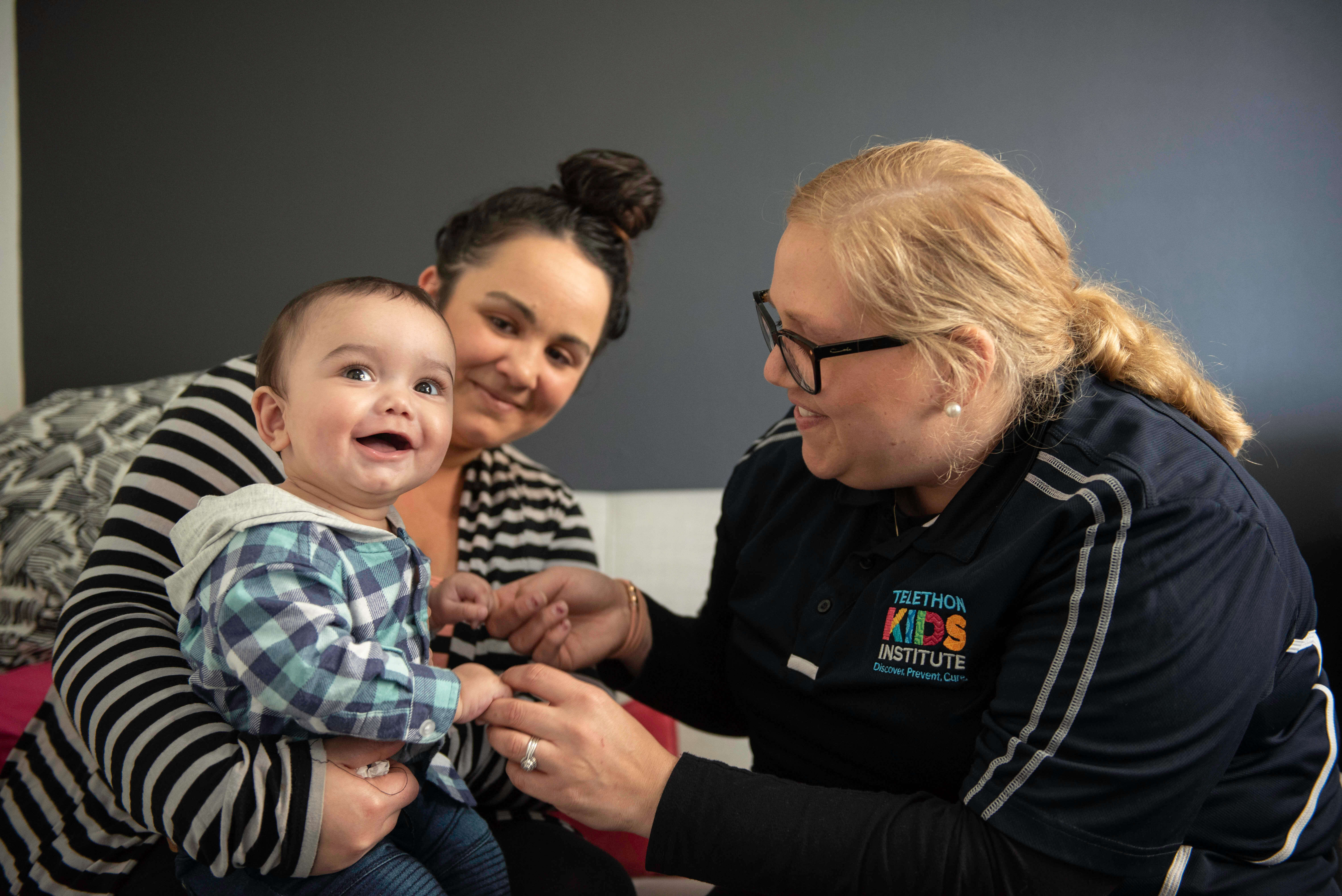
The major funder of the Wesfarmers Centre of Vaccines and Infectious Diseases based at The Kids Research Institute Australia has been recognised as Australia’s most generous giver.
Influenza and COVID-19 infections during pregnancy may have serious adverse consequences for women as well as their infants. However, uptake of influenza and COVID-19 vaccines during pregnancy remains suboptimal. This study aims to assess the effectiveness of a multi-component nudge intervention to improve influenza and COVID-19 vaccine uptake among pregnant women.
Vaccination in pregnancy is the best strategy to reduce complications from influenza or pertussis infection in infants who are too young to be protected directly from vaccination. Pregnant women are also at risk of influenza complications preventable through antenatal vaccination. Both vaccines are funded under the National Immunisation Program for pregnant women in Australia, but coverage is not routinely reported nationally.
As COVID-19 vaccinations rolled out globally from late 2020, rules and recommendations regarding vaccine use in pregnancy shifted rapidly. Pre-registration COVID-19 vaccine trials excluded those who were pregnant. Initial Australian medical advice did not routinely recommend COVID-19 vaccines in pregnancy, due to limited safety data and little perceived risk of local transmission.
The Australian Technical Advisory Group on Immunisation and New Zealand Ministry of Health recommend all children aged ≥ 5 years receive either of the two mRNA COVID-19 vaccines: Comirnaty (Pfizer), available in both Australia and New Zealand, or Spikevax (Moderna), available in Australia only. Both vaccines are efficacious and safe in the general population, including children. Children and adolescents undergoing treatment for cancer and immunosuppressive therapy for non-malignant haematological conditions are particularly vulnerable, with an increased risk of severe or fatal COVID-19.
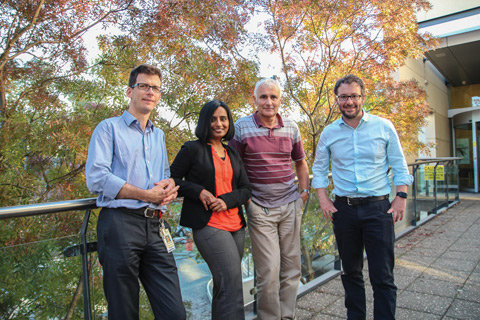
In 2010, a large number of children experienced febrile convulsions after receiving the FluVax vaccination and many parents began to question its safety.
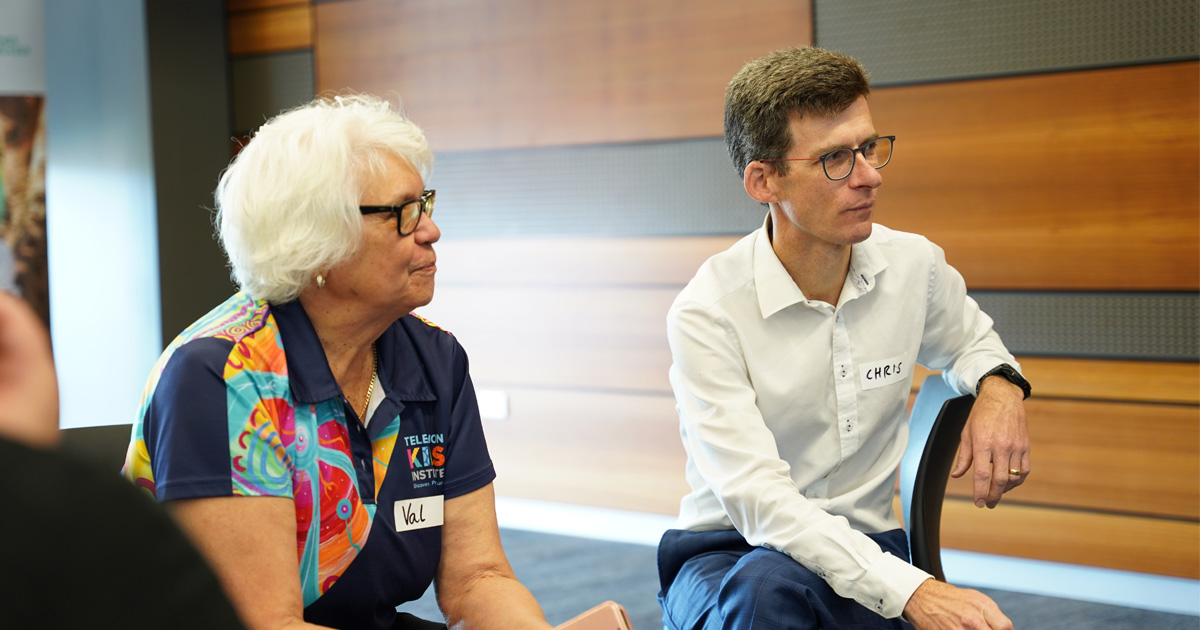
Researchers from the Wesfarmers Centre of Vaccines and Infectious Diseases at The Kids Research Institute Australia have shared their expertise with the community in Cockburn, covering topics ranging from respiratory disease in babies to recurring ear infections in kids.
People are being urged to ensure they've had their vaccination with the 'flu season expected to hit in Western Australia within weeks.
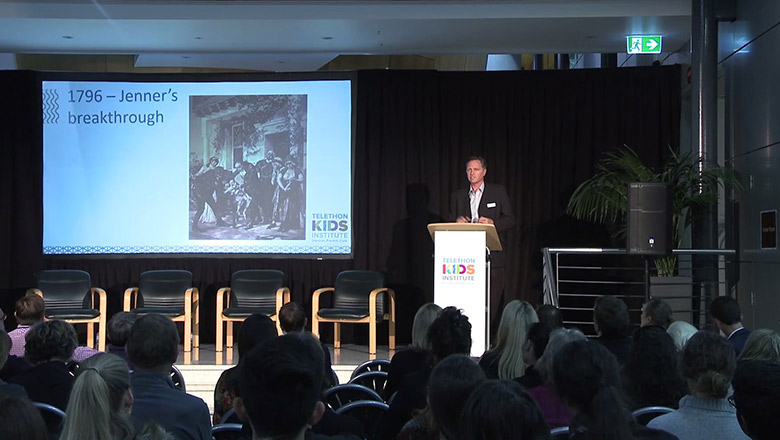
On Monday May 30, The Kids Research Institute Australia held a free public seminar on vaccination, hearing from paediatricians and infectious disease researchers.
Early in the coronavirus disease 2019 (COVID-19) pandemic, evidence emerged that individuals with chronic and immunocompromising conditions faced increased risk of severe infection, including death. The Australian Government and public health authorities prioritised these citizens' access to vaccines, including them in phase 1b of the rollout from 22 March 2021.