
Search
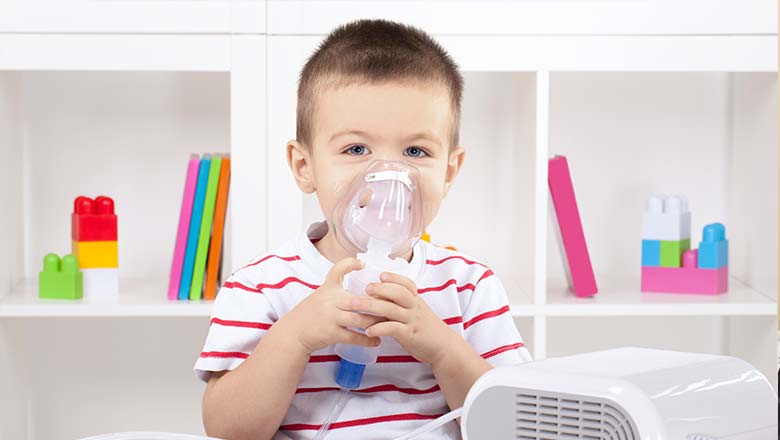
This study is designed to identify the specific unique immune cell response that occurs in these children with recurrent disease.
Studies in Europe show exposure of pregnant women to high levels of microbial products stimulate immune function maturation in their offspring
The study aims to identify the mechanism for this so that this knowledge can be used to better treat asthma and allergies in both males and females.
This project investigates how cells of the immune system respond to substances to cause allergies to help develop new treatments.
Asthma and chronic obstructive pulmonary disease (COPD) are common chronic respiratory diseases, and some patients have overlapping disease features, termed asthma-COPD overlap. Patients characterized with ACO have increased disease severity; however, the mechanisms driving this have not been widely studied.
Few studies have evaluated the effect of maternal influenza vaccination on the development of allergic and autoimmune diseases in children beyond 6 months of age. We aimed to investigate the association between in utero exposure to seasonal inactivated influenza vaccine (IIV) and subsequent diagnosis of allergic and autoimmune diseases.
There is growing evidence that lung function in early-life predicts later lung function. Adverse events over the lifespan might influence an individual’s lung function trajectory, resulting in poor respiratory health. The aim of this study is to identify early-life risk factors and their impact on lung function trajectories to prevent long-term lung impairments.
The airway epithelium of children with wheeze is characterized by defective repair that contributes to disease pathobiology. Dysregulation of developmental processes controlled by Notch has been identified in chronic asthma. However, its role in airway epithelial cells of young children with wheeze, particularly during repair, is yet to be determined.
The epithelium is integral to the protection of many different biological systems and for the maintenance of biochemical homeostasis. Emerging evidence suggests that particular children have epithelial vulnerabilities leading to dysregulated barrier function and integrity, that resultantly contributes to disease pathogenesis.
Acute wheezing is one of the most common hospital presentations for young children. Respiratory syncytial virus (RSV) and rhinovirus (RV) species A, B and the more recently described species C are implicated in the majority of these presentations. However, the relative importance and age-specificities of these viruses have not been defined.