
Search
The spectrum of diseases caused by Streptococcus pyogenes (Strep A) ranges from superficial to serious life-threatening invasive infections. We conducted a scoping review of published articles between 1980 and 2021 to synthesize evidence of state transitions across the Strep A disease spectrum. We identified 175 articles reporting 262 distinct observations of Strep A disease state transitions.
CANVAS is a commitment by the Governments of Australia and New Zealand to advance the development of a vaccine against GAS infection, which can cause rheumatic fever.
NHMRC funding has been awarded for 4 years to Murdoch Childrens Research Institute for this project, with collaboration from Professor Jonathan Carapetis at The Kids.
Kimberley Aboriginal Medical Services, Nirrumbuk Environmental Health and Services and The Kids Research Institute Australia seek to implement and evaluate a community-led project, funded by the Department of Health, to prevent and manage RHD in a selected high-risk Aboriginal community
The END RHD Communities approach uses community-led, research-backed prevention strategies to tackle Strep A skin and throat infections, acute rheumatic fever and rheumatic heart disease
Continued progress in controlling RHD requires an understanding of how to improve delivery of regular injections of penicillin - secondary prophylaxis (SP).
This is a 6 month cohort study involving participants at Princess Margaret Hospital prescribed BPG for secondary prophylaxis of RHD.
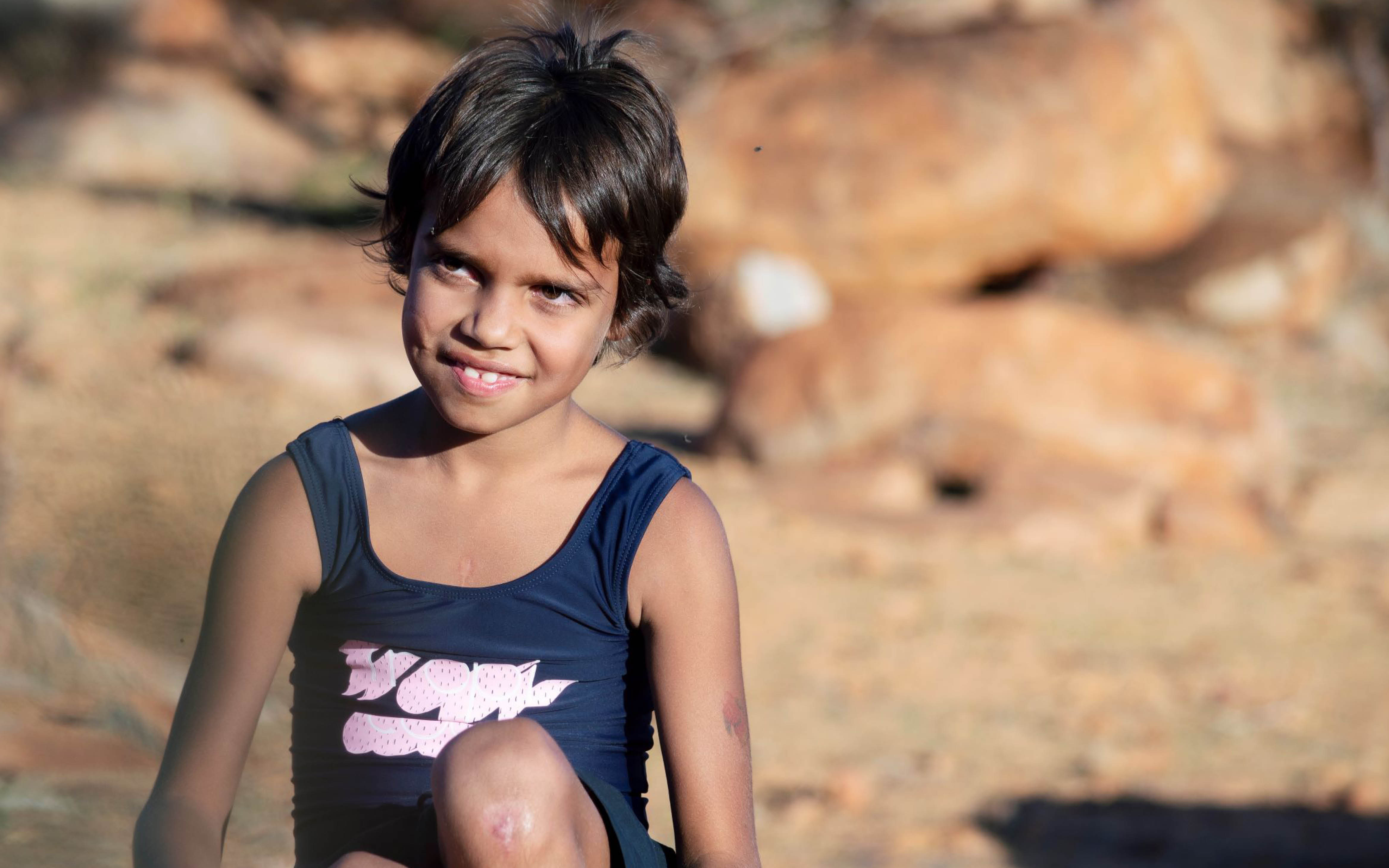
The Strep A Translation team aim to understand the epidemiology of Strep A infections in Australia and the world. Alongside this, they explore the implementation of endgame recommendations, health economics and new horizons.
Contemporary data for the global burden of sore throat and group A Streptococcus (Strep A) pharyngitis are required to understand the frequency of disease and develop value propositions for Strep A vaccines.
Peri-prosthetic joint infection (PJI) is a devastating complication of joint replacement surgery. Determining the optimal duration of intravenous (IV) antibiotics for PJI managed with debridement and implant retention (DAIR) is a research priority.