
Search
The Telethon Kids Institute has welcomed the expansion of clinical services for young people with Fetal Alcohol Spectrum Disorders (FASD).

The Kids Research Institute Australia researchers have found a strong link between excessive internet use and increased levels of psychological distress, including suicidal t
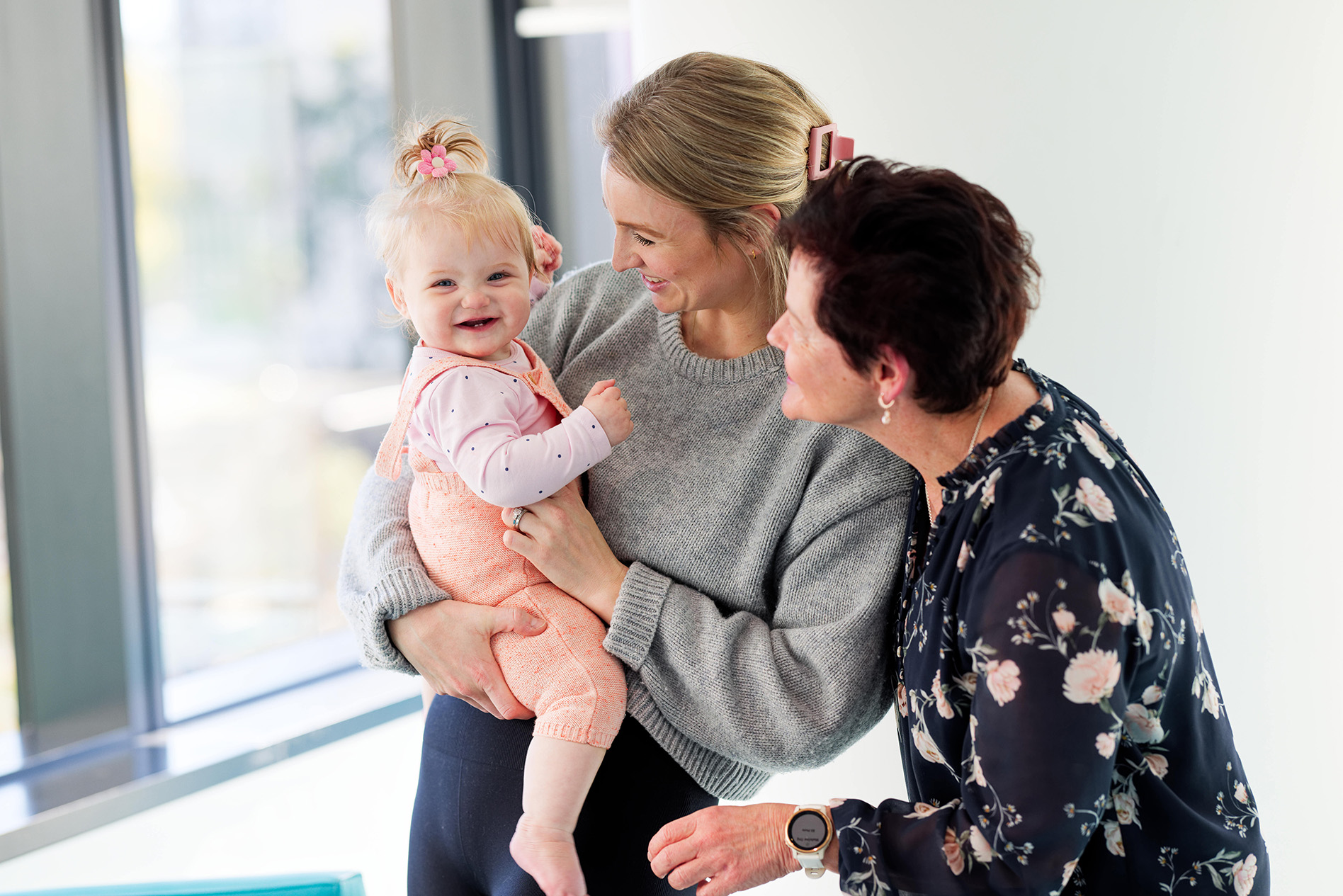
The Wesfarmers Centre of Vaccines & Infectious Diseases brings together a number of independent researchers and research teams with a common aim; to find and deliver new and improved solutions to prevent and treat serious infections experienced by children or adolescents.
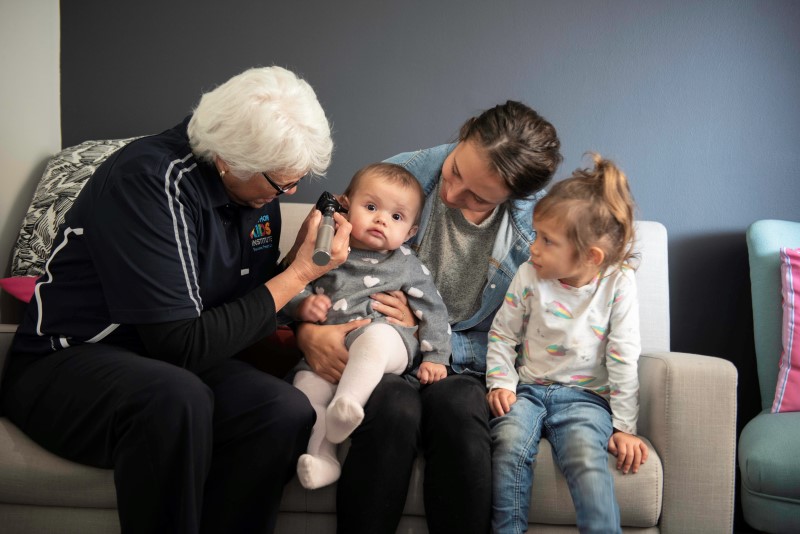
RSV hospitalises millions of babies worldwide every year: our research is helping to change that.
The Wesfarmers Centre of Vaccines and Infectious Diseases has appointed Mrs Valerie Swift to a newly created Aboriginal Cultural Guidance Advisor position.
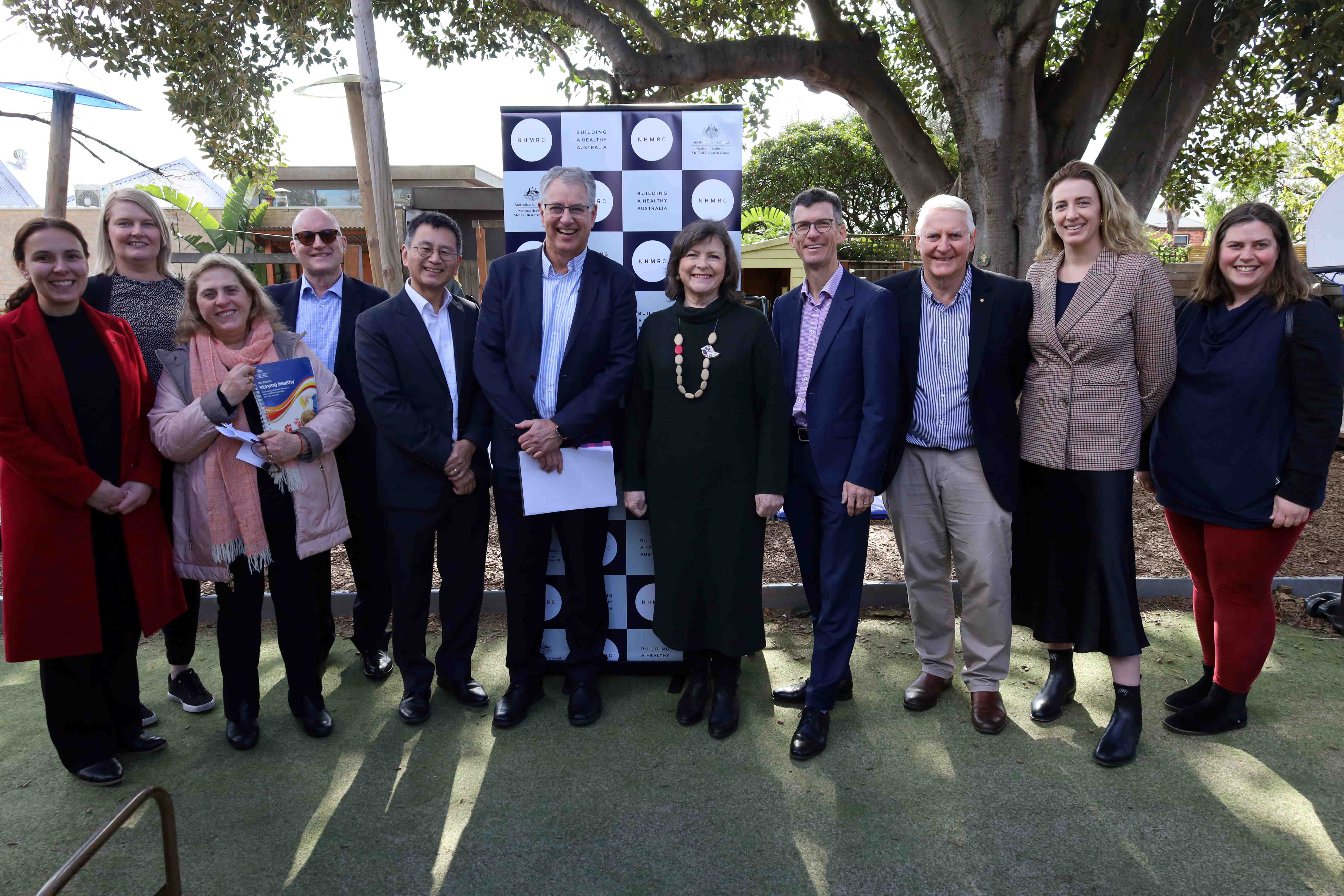
The National Health and Medical Research Council (NHMRC) has launched their sixth edition of Staying healthy: Preventing infectious diseases in early childhood education and care services in a bid to tackle the transmission of germs amongst young kids.
Like many of us, consumer and community advocate Catherine Hughes is worried about the impact of COVID-19. So she joined Australia’s first COVID-19 consumer reference group to be a voice for the community.
The speed with which research projects on the coronavirus have been put together has consumer advocates concerned that a vital voice will be missing – that of the community.
Western Australia has experienced historically low levels of respiratory syncytial virus (RSV) and influenza this winter due to the public health measures implemented to prevent the spread of COVID-19.

Australia’s TGA has granted a provisional determination to Pfizer, allowing the pharmaceutical company to apply for approval to extend its COVID-19 vaccine to children aged 6 mths - 4 yrs.