
Search
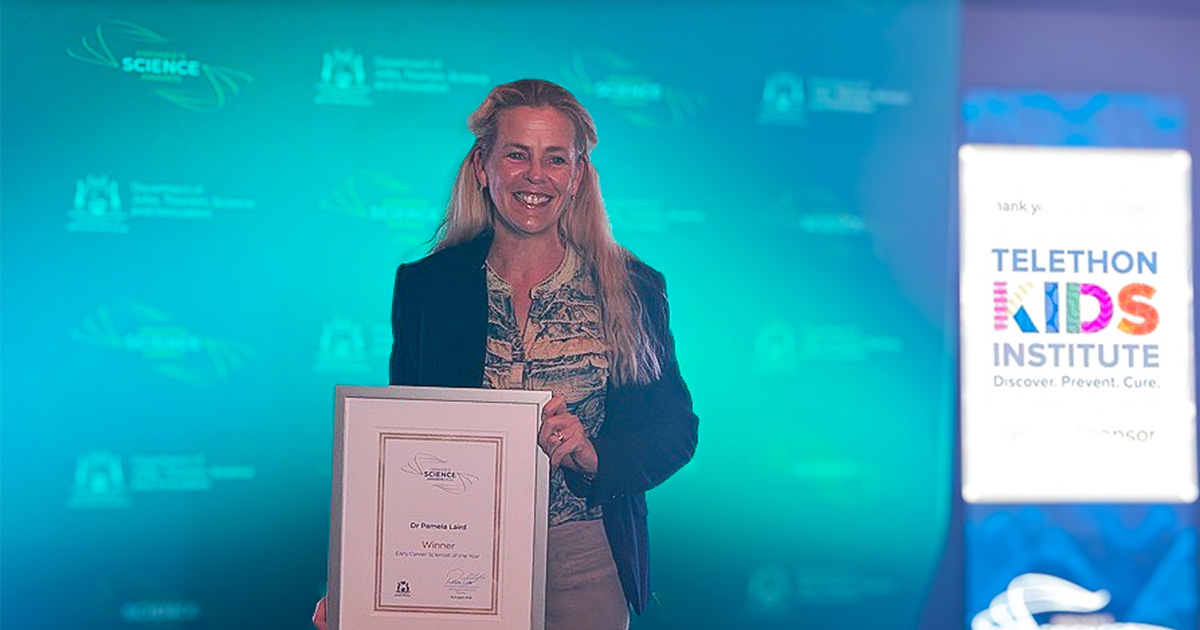
Congratulations to respiratory health researcher and clinician Dr Pam Laird, who was last night named joint winner of Early Career Scientist of the Year at the 2024 Premier’s Science Awards.
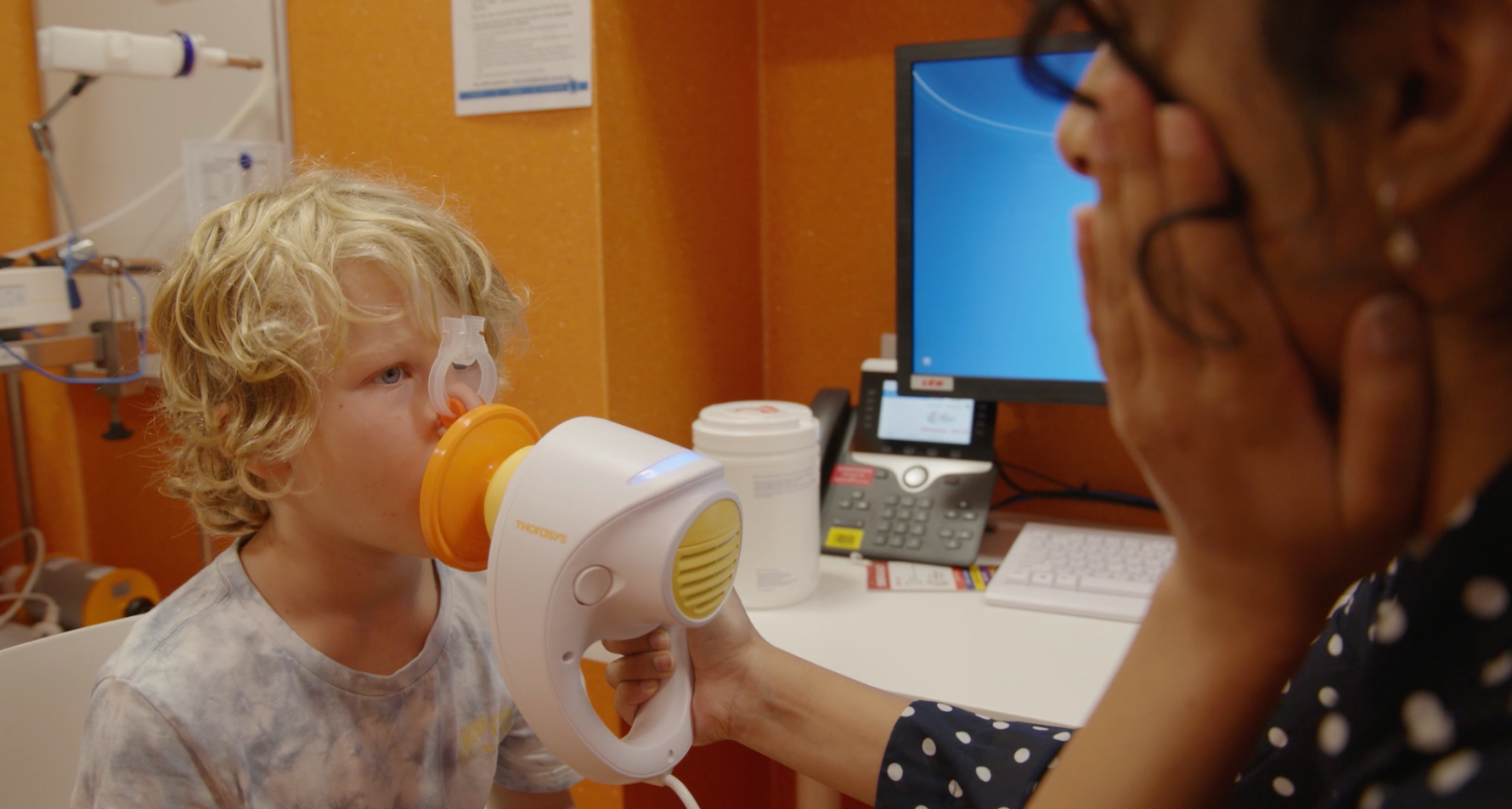
A promising new treatment pioneered in Western Australia for people with cystic fibrosis has commenced testing in a clinical trial in the United States and Australia.
Electronic cigarette use, especially among younger members of society, has grown to concerning levels in many countries, including Australia and New Zealand. Uptake in the general population, driven by technological and pharmacological innovations, and accelerated by aggressive tobacco/vaping industry marketing, has outpaced medical research.
Neonatal sepsis is a deadly disease with non-specific clinical signs, delaying diagnosis and treatment. There remains a need for early biomarkers to facilitate timely intervention. Our objective was to identify neonatal sepsis gene expression biomarkers that could predict sepsis at birth, prior to clinical presentation.
Alcohol pharmacotherapies pose unknown teratogenic risks in pregnancy and are therefore recommended to be avoided. This limits treatment options for pregnant individuals with alcohol use disorders (AUD). The information on the safety of these medications during pregnancy is uncertain, prompting a scoping review. The objective of this review was to investigate available information on the safety of alcohol pharmacotherapies in pregnancy.
In cystic fibrosis, bacteria–bacteriophage interaction in the lower airways is poorly understood. We present the near-complete genome of the uncultured Siphovirus-like bacteriophage, Staphylococcus aureus phage COMBAT-CF_PAR1, isolated from the lower airways. The genome spans 41,510 bp with 33.45% guanine–cytosine content and contains 65 open reading frames.
The complex arborization of the feto-placental vasculature is crucial for optimal fetal nutrition, waste exchange and ultimately, development. Ethical and experimental limitations constrain research into the human placenta, hence experimental animal models such as mice and rats, are crucial to understand placental function. It is unclear how well the mouse and rat feto-placental vascular structure emulates human. Moreover, the implications of differences in vascular structure, especially in arborization, for placental function remain unclear.
The aim is to examine whether using a portable spring-infusor device to deliver antibiotics compared with a standard infusion pump (SIP) translated to (i) improve health outcomes, (ii) reduce the length of stay (LoS), and (iii) reduce cost for treatment of exacerbations of cystic fibrosis.
Respiratory tract infections (RTIs) drive lung function decline in children with cystic fibrosis (CF). While the respiratory microbiota is clearly associated with RTI pathogenesis in infants without CF, data on infants with CF is scarce. We compared nasal microbiota development between infants with CF and controls and assessed associations between early-life nasal microbiota, RTIs, and antibiotic treatment in infants with CF.
Vaccination has been a cornerstone of public health, substantially reducing the global burden of infectious diseases, notably evident during the COVID-19 pandemic caused by SARS-CoV-2.