
Search
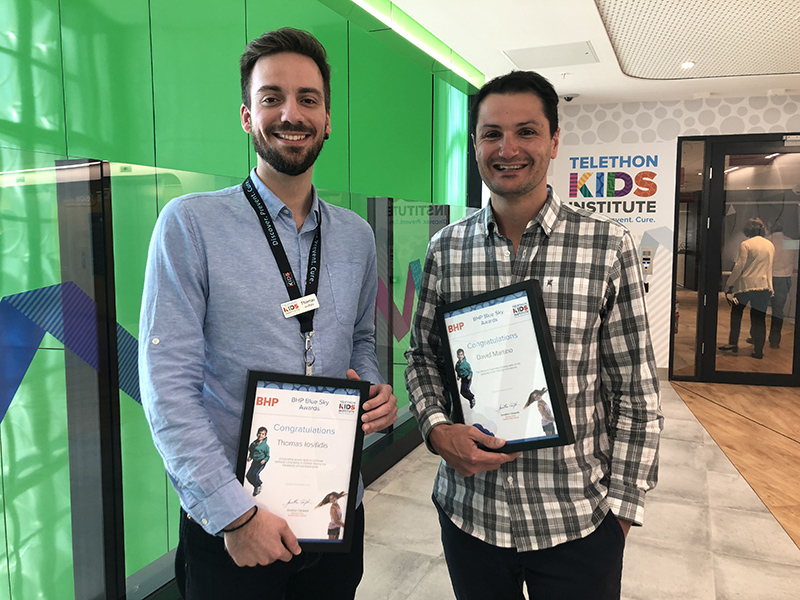
Two The Kids researchers will launch innovative new scientific projects thanks to funding from BHP.
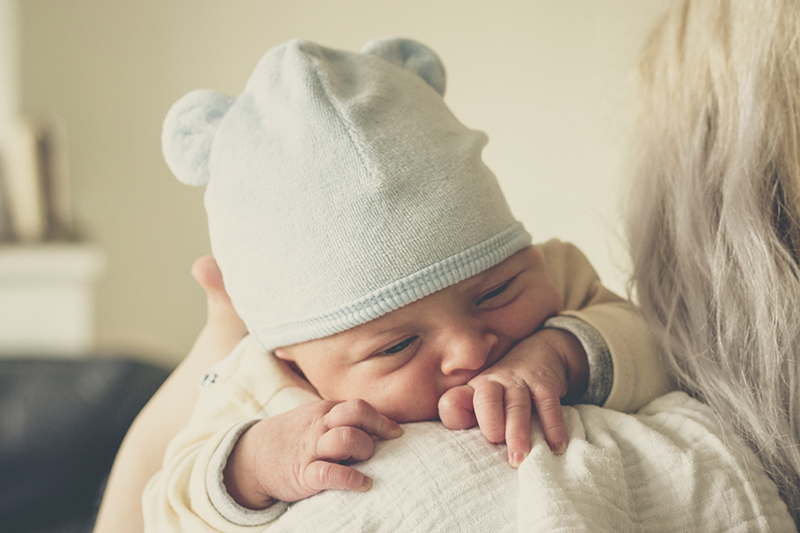
The eradication of rubella in Australia is evidence of the vital role vaccinations play in protecting our health, researchers at The Kids Research Institute Australia say.
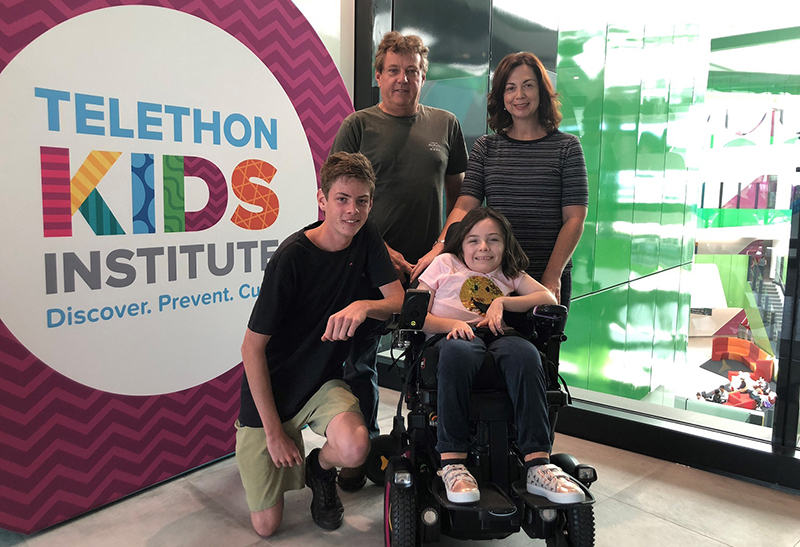
Mackenzie was 10 months old when her parents, Jodie and Scott, were given the life-changing news that their daughter would never walk.
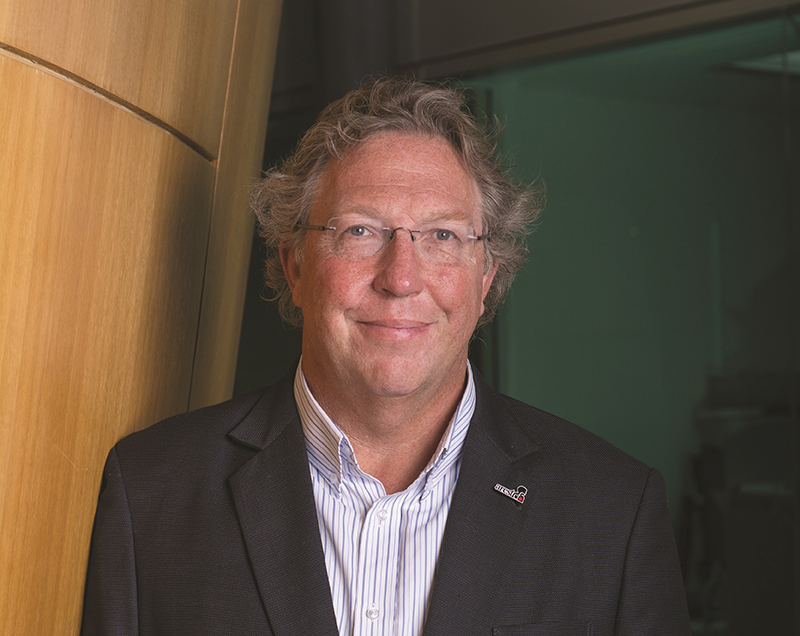
A new program that uses cutting edge stem cell techniques to repair lung damage in children will be established at The Kids Research Institute Australia with support from the Telethon-Perth Children’s Hospital Research Fund (TPCHRF).
Around seven per cent of children and young people live in poverty, and one third are developmentally vulnerable when they start full-time school.
The Kimberley has the highest rates of rheumatic heart disease (RHD) in Western Australia – but through the establishment of a new community-led, research-backed project known as END RHD Communities, there’s hope this will change.
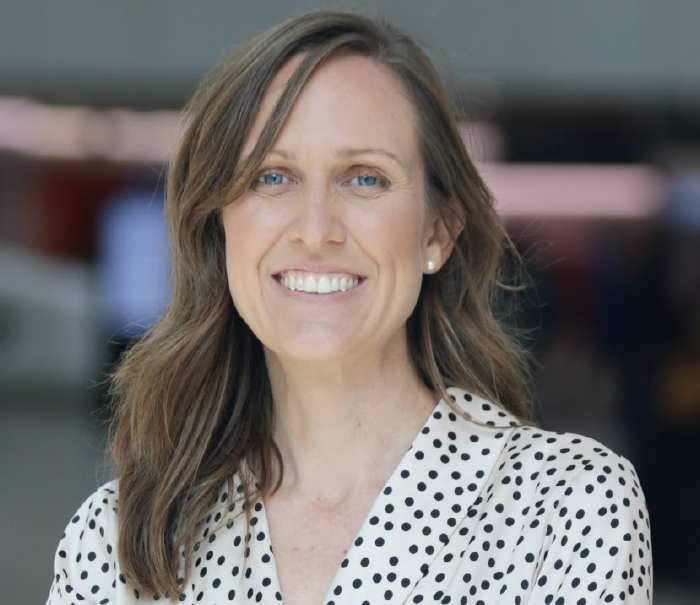
Dr Asha Bowen, Head of Skin Health at the Wesfarmers Centre of Vaccines and Infectious Diseases, has been awarded a 2018 Fellowship as part of the prestigious L’Oréal-UNESCO Women in Science program.
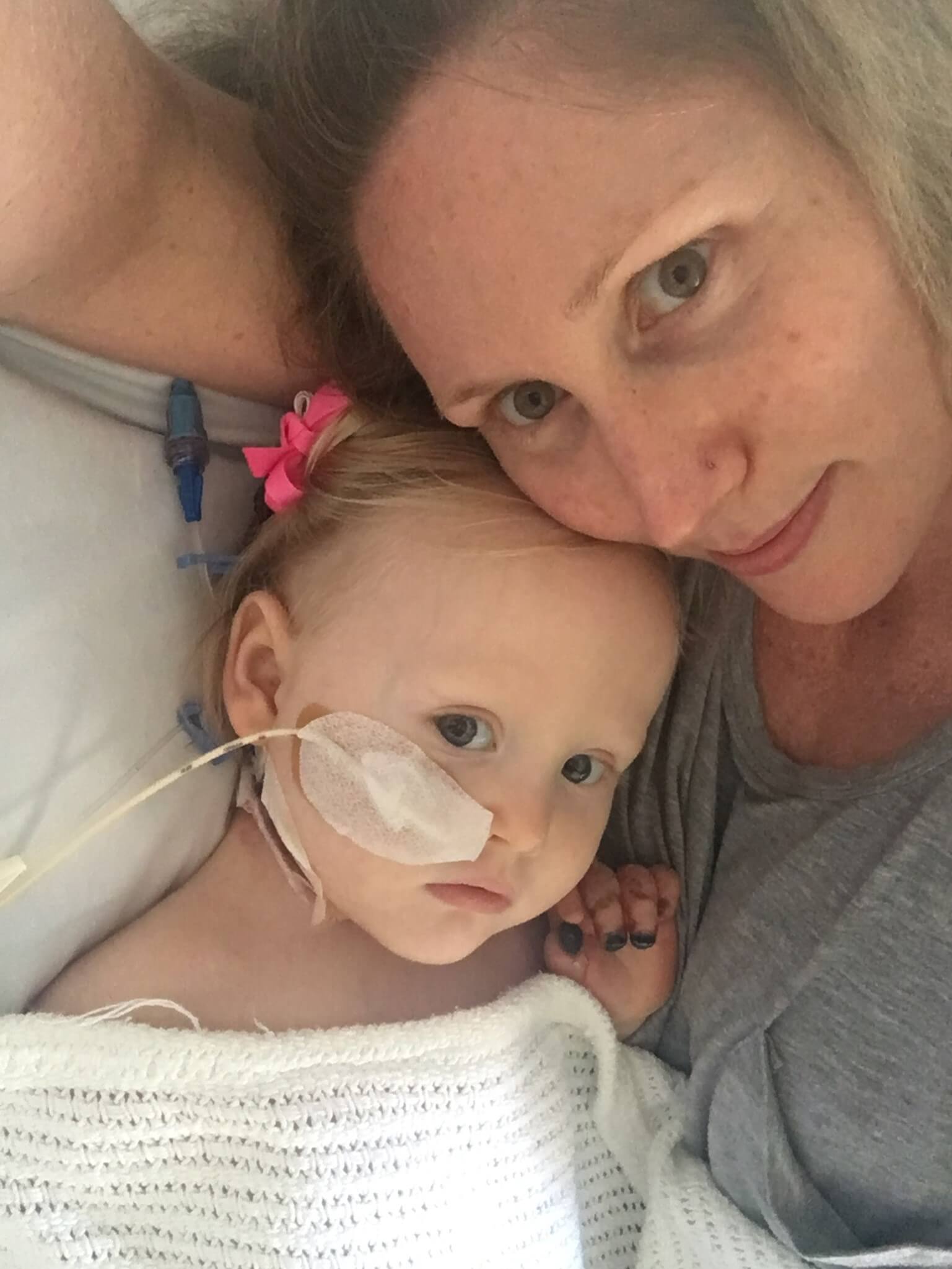
"I had never heard of invasive Streptococcus A disease before, and I was shocked to hear that it is actually three times more common than meningococcal disease and just as deadly yet there is no vaccine to protect against it."
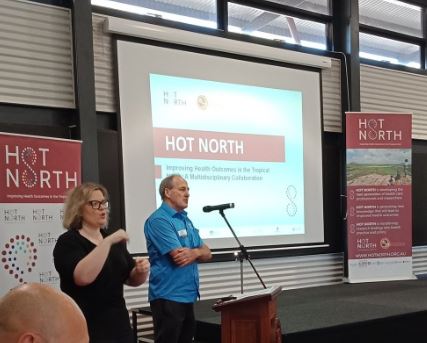
Over 100 researchers and health professionals from around Australia have united in Broome this week to address the major health battles facing people living in the tropical north of the country.
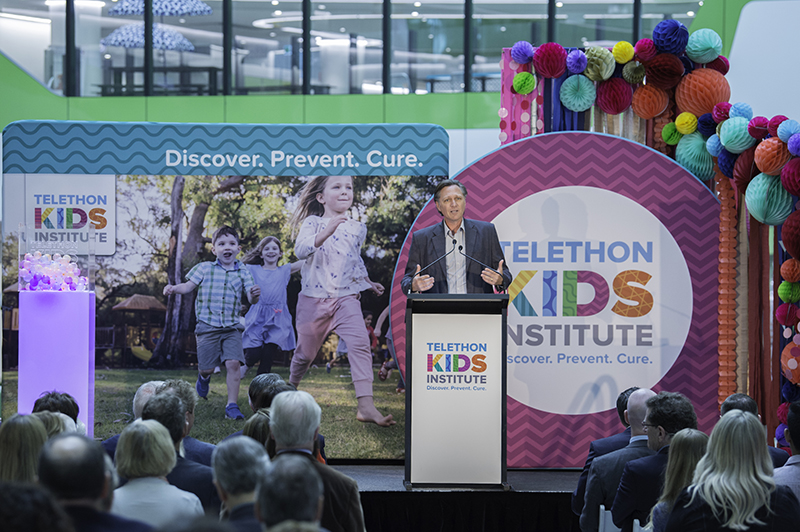
The Kids Research Institute Australia’s new state of the art research facility within the Perth’s Children’s Hospital (PCH) has officially opened its doors, paving the way for faster bench to bedside outcomes for children.