Search
Pregnancy is an opportunistic time for dietary intake to influence future disease susceptibility in offspring later in life. The ORIGINS Project was established to identify the factors that contribute to 'a healthy start to life' through a focus supporting childhood health and preventing disease (including non-communicable diseases).
The aim of this review was to map the literature assessing associations between maternal or infant immune or gut microbiome biomarkers and child neurodevelopmental outcomes within the first 5 years of life. We conducted a PRISMA-ScR compliant review of peer-reviewed, English-language journal articles.
Mobile touch screen devices (smartphones and tablet computers) have become an integral part of many parents’ and children’s lives, with this interaction linked to physical, mental and social outcomes. Despite the known importance of parent-child attachment, evidence on the association between device use and attachment was yet to be reviewed.
The ecology of the early environment - including microbial diversity, nutrition, nature, social interactions and the totality of exposures in the wider "exposome" - have life-long implications for all aspects of health and resilience. In particular, the emergence of "microbiome science" provides new evidence for vital relationships between biodiversity and health at every level.
The transition to motherhood, although joyous, can be highly stressful, and the availability of professional postpartum support for mothers is often limited. Peer volunteer support programs may offer a viable and cost-effective method to provide community-based support for new mothers. The aim of this study is to determine the feasibility of a peer volunteer support program-The Mummy Buddy Program-in which experienced volunteer mothers are paired with, and trained to offer social support to, first-time mothers.
The aim of this study was to explore the relationship between emotional health and wellbeing and support needs of perinatal women during the COVID-19 pandemic, and to understand their experiences and need for support. This is a potentially vulnerable group and a critical developmental phase for women and infants.
The increase in childhood allergic disease in recent decades has coincided with increased folic acid intakes during pregnancy. Circulating unmetabolized folic acid (UMFA) has been proposed as a biomarker of excessive folic acid intake. We aimed to determine if late-pregnancy serum UMFA and total folate concentrations were associated with allergic disease risk in the offspring at 1 y of age in a population at high risk of allergy.
With well-established evidence that early life conditions have a profound influence on lifespan and health-span, new interventional birth cohorts are examining ways to optimise health potential of individuals and communities. These are aimed at going beyond preventing disease, to the conditions that facilitate flourishing from an early age.
Citation: Ibilola O, Silva D. Environmental (Perinatal) risk factors of ADHD in a sibling control design study. Open Access Journal of Behavioural
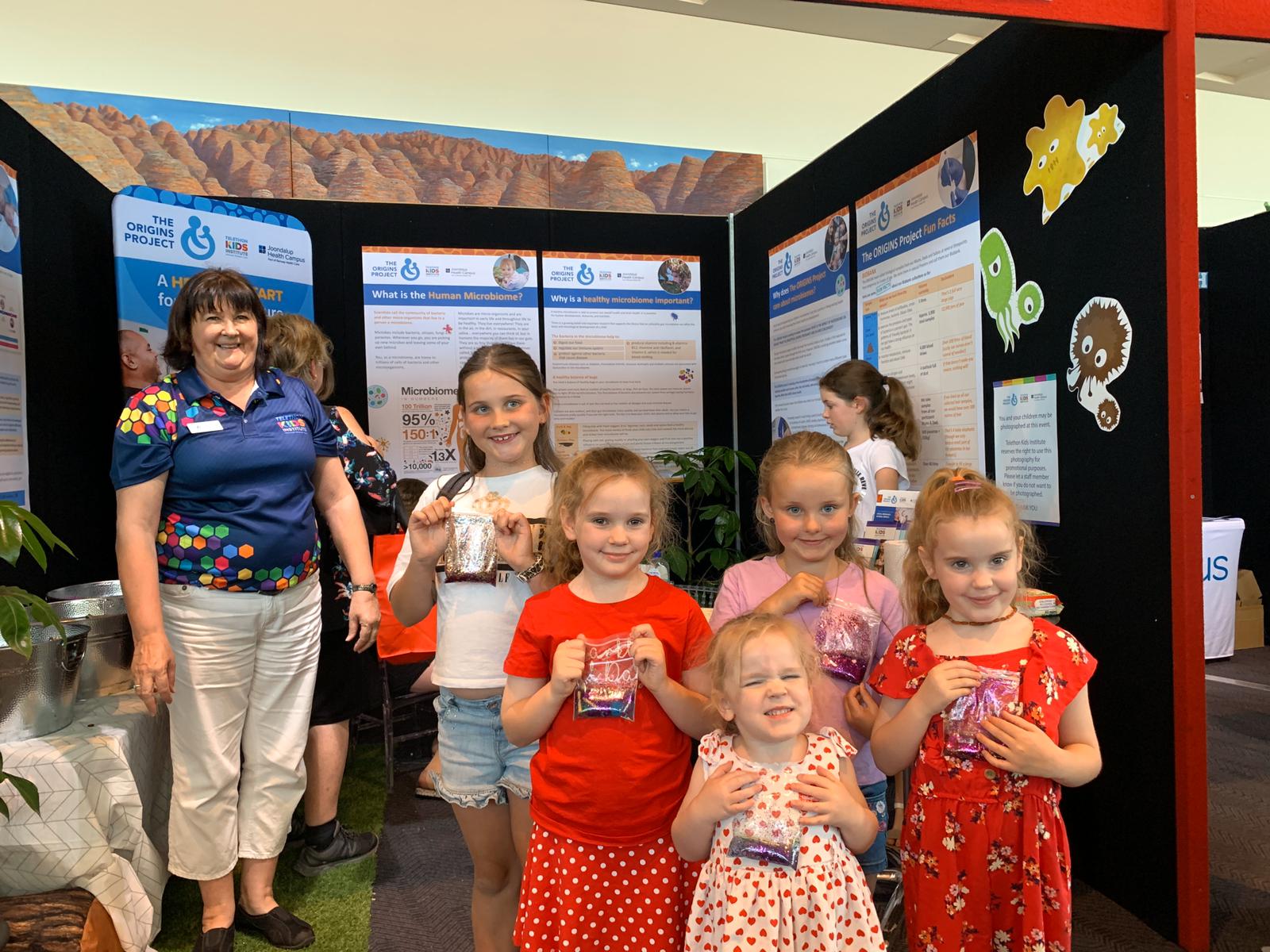
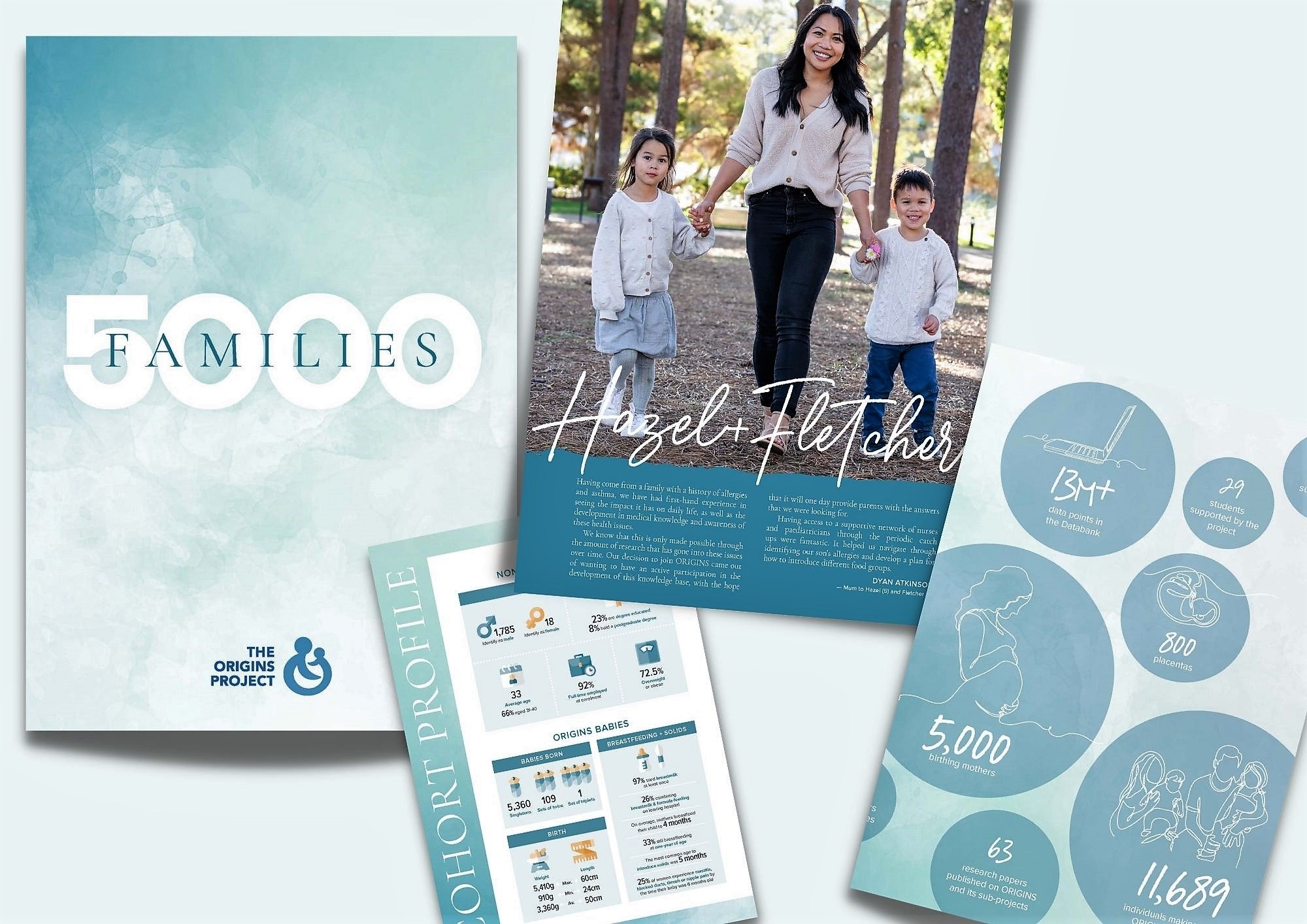
ORIGINS is the largest study of its kind in Australia, following 10,000 children, from their time in the womb, over a decade to improve child and adult health.