
Search
Shannon Elizabeth Simpson Smith BMedSci (hons), PhD PhD, MSc, BSc Head, Strong Beginnings Research, Co-head Foundations of Lung Disease Program
Obesity is a contributing factor to asthma severity; while it has long been understood that obesity is related to greater asthma burden, the mechanisms though which this occurs have not been fully elucidated. One common explanation is that obesity mechanically reduces lung volume through accumulation of adipose tissue external to the thoracic cavity.
Bronchiectasis is a worldwide chronic lung disorder where exacerbations are common. It affects people of all ages, but especially Indigenous populations in high-income nations. Despite being a major contributor to chronic lung disease, there are no licensed therapies for bronchiectasis and there remain relatively few randomised controlled trials (RCTs) conducted in children and adults.
Neonatal sepsis is a major cause of childhood mortality. Limited diagnostic tools and mechanistic insights have hampered our abilities to develop prophylactic or therapeutic interventions. Biomarkers in human neonatal sepsis have been repeatedly identified as associated with dysregulation of angiopoietin signaling and altered arachidonic acid metabolism.
In cystic fibrosis, gastrointestinal dysfunction and lower airway infection occur early and are independently associated with poorer outcomes in childhood. This study aimed to define the relationship between the microbiota at each niche during the first 2 years of life, its association with growth and airway inflammation, and explanatory features in the metabolome.
Respiratory viruses significantly impact global morbidity and mortality, causing more disease in humans than any other infectious agent. Beyond pathogens, various viruses and bacteria colonize the respiratory tract without causing disease, potentially influencing respiratory diseases’ pathogenesis.
Determine the optimal antibiotic choice for lower respiratory tract infection in children with neurodisability.
COMBAT-CF showed that children aged 0-3 years treated with azithromycin did clinically better than placebo but there was no effect on CT-scores. We reanalysed CTs using an automatic bronchus-artery (BA) analysis.
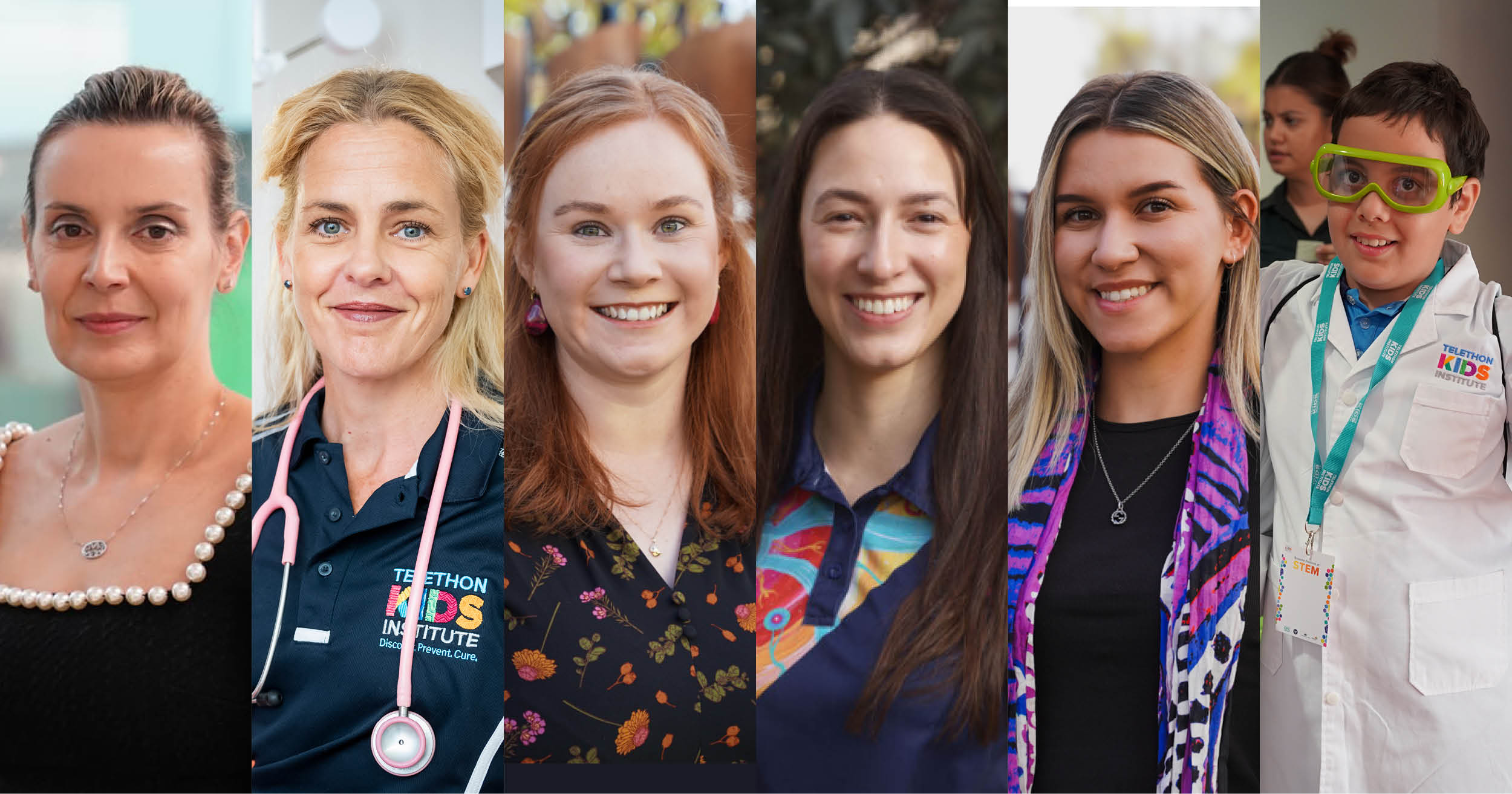
Five The Kids Research Institute Australia researchers and a popular Institute-led science festival for kids have been named as finalists in the 2024 Premier’s Science Awards.
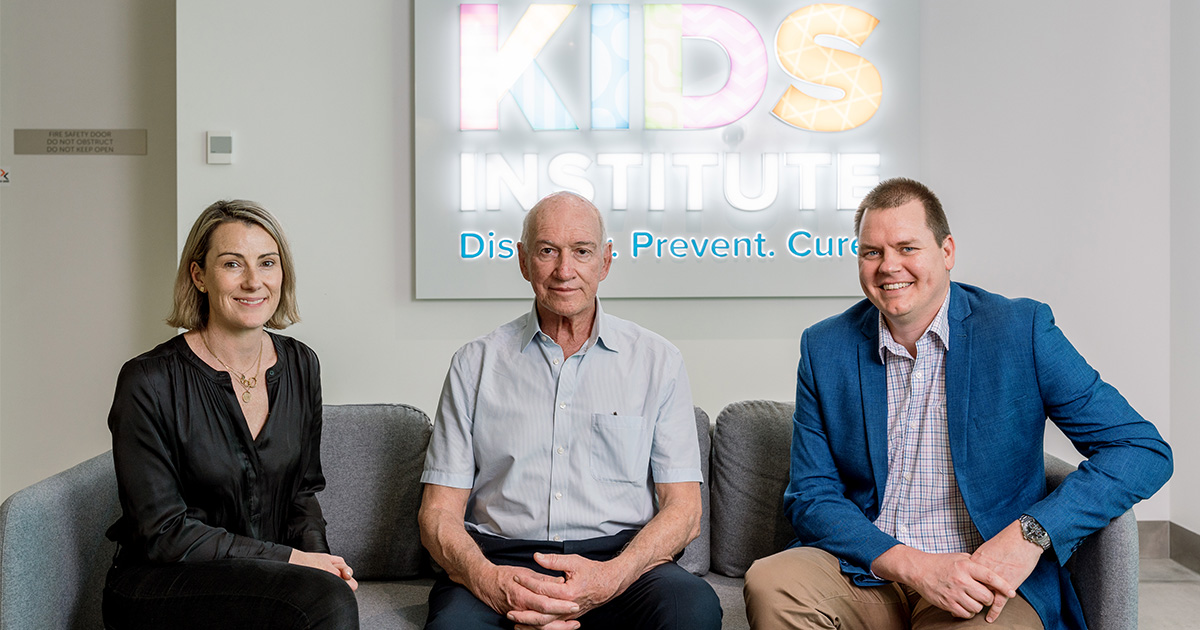
A The Kids Research Institute Australia spin-off company, Inspiring Holdings Pty Ltd (Inspiring), has been announced as winner of the Wesfarmers Wellbeing Platinum Award in the prestigious WA Innovator of the Year awards for their novel Universal Spacer System – a device which improves the delivery of inhaled dru