
Search
Undernutrition is a key driver of the global tuberculosis (TB) epidemic, yet there is limited understanding regarding the spatial overlap of both diseases. This study aimed to determine the geographical co-distribution and socio-climatic factors of undernutrition and TB in Ethiopia.
Tuberculosis (TB) is the leading infectious cause of death globally. Several preventive measures are employed to prevent TB, yet there is a paucity of evidence on the effectiveness of these interventions. Therefore, this study aimed to identify the most effective interventions for reducing TB incidence.
Tuberculosis (TB) remains a major cause of morbidity and mortality in the world, despite being a preventable and curable disease. The World Health OrganizationEnd-TB Strategy, aligned with the Sustainable Development Goals, sets a target of reducing the TB mortality rate by 95%, TB incidence rate by 90%, and catastrophic costs due to TB by 2035, compared with a 2015 level. To achieve these ambitious targets, several interventions have been implemented in the last few years, resulting in major progress toward reducing the burden of TB.
Drug-resistant tuberculosis (DR-TB) remains a major public health challenge in China, with varying treatment outcomes across different regions. Understanding the spatial distribution of DR-TB treatment outcomes is crucial for targeted interventions to improve treatment success in high-burden areas such as Hunan Province. This study aimed to map the spatial distribution of DR-TB treatment outcomes at a local level and identify sociodemographic and environmental factors associated with poor treatment outcomes in Hunan Province, China.
Tuberculosis (TB) is the leading infectious cause of death globally, with approximately three million cases remaining undetected, thereby contributing to community transmission. Understanding the spatial distribution of undetected TB in high-burden settings is critical for designing and implementing geographically targeted interventions for early detection and control.
Tuberculosis (TB) is caused by Mycobacterium tuberculosis (Mtb) and is a leading cause of death. BCG is the only licensed TB vaccine. Preclinical studies have shown that in adults, intravenous administration of BCG improves protection against TB. We hypothesize that intradermal administration of BCG to the human newborn leads to low-grade BCG bacteremia and that this systemic dissemination improves protection against Mtb infection. This hypothesis is based on supporting observations including animal and human studies. It is a testable hypothesis and offers to deliver immediately actionable insight to advance the global efforts against TB.
Country-level estimates can mask local geographic variations in progress toward achieving World Health Organization's End TB targets. This study aimed to identify spatial variations in progress toward achieving the TB incidence reduction target at a district level in Ethiopia.
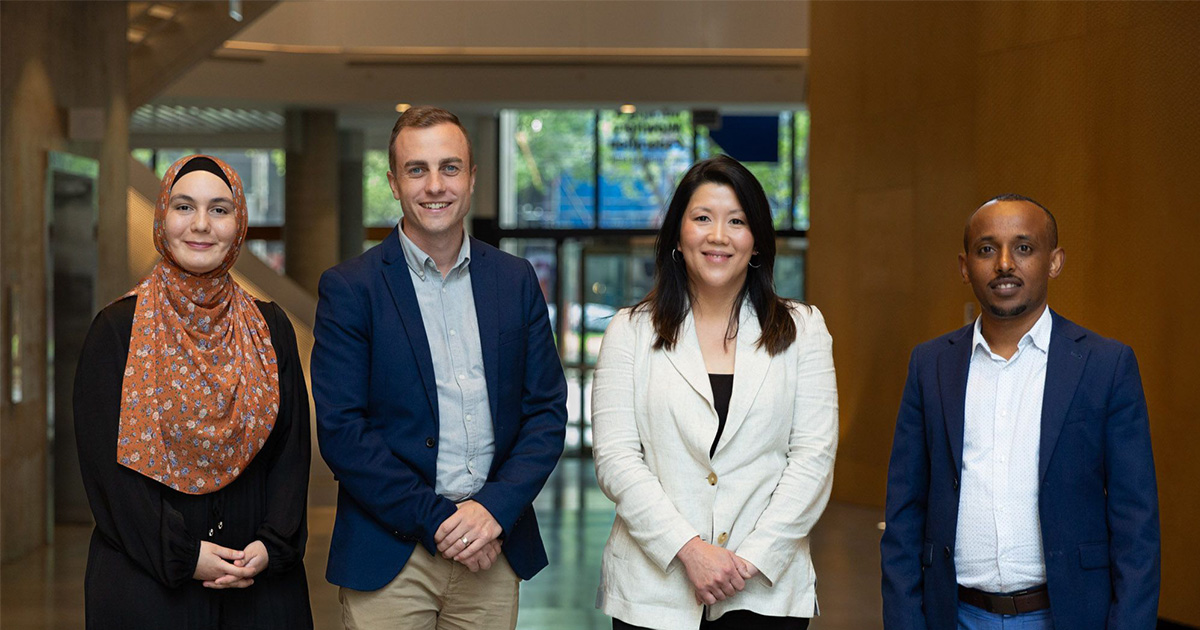
A leading tuberculosis researcher from The Kids Research Institute Australia and Curtin University has been named a finalist for the Association of Australian Medical Research Institutes (AAMRI) 2024 Rising Star Award.
Worldwide, tuberculosis (TB) remains the leading cause of death from infectious diseases. Africa is the second most-affected region, accounting for a quarter of the global TB burden, but there is limited evidence whether there is subnational variation of TB prevalence across the continent. Therefore, this study aimed to estimate sub-national and local TB prevalence across Africa.
Interferon γ release assays (IGRAs) are widely used for diagnosis of latent tuberculosis infection. However, with repeated testing, IGRA transformation (conversion or reversion) may be detected and is challenging to interpret. We reviewed the frequency of and risk factors for IGRA transformation.