
Search
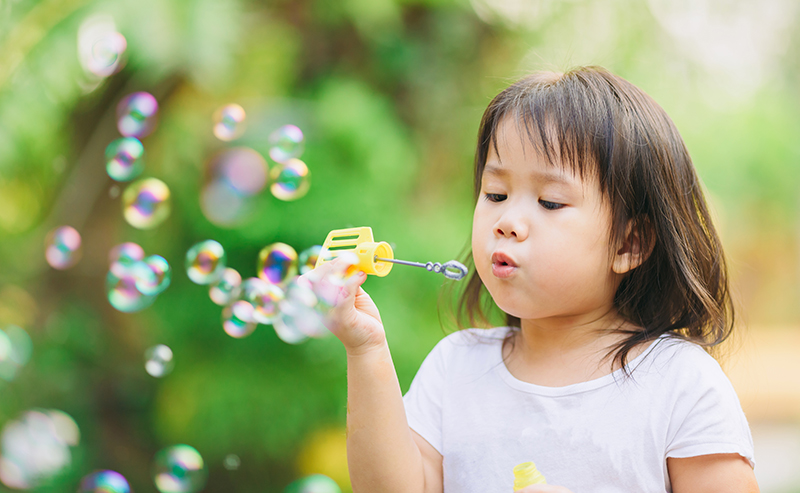
Almost 50 per cent of preschool children will experience at least one episode of wheeze, a whistling sound produced by the airways during breathing.
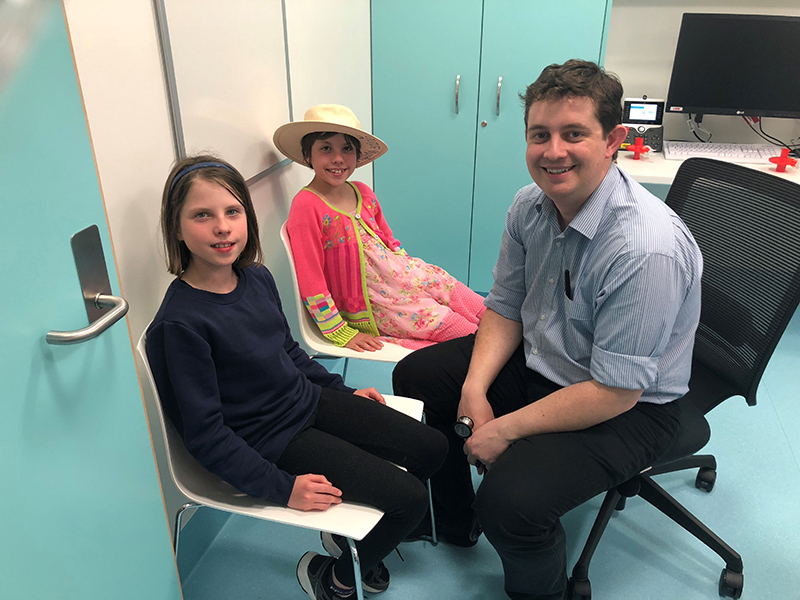
The Kids Research Institute Australia researchers are investigating whether a simple urine test could predict whether young children with wheezing symptoms will go on to develop asthma.
People living with asthma, their carers, clinicians and policymakers are the end-users of research and need research that address their individual healthcare needs. We aimed to understand the research priorities of end-users of asthma research.
Abnormalities of the airway smooth muscle (ASM) layer in asthma may develop before birth. We hypothesize that antenatal inflammation causes physiological abnormalities of the ASM that predisposes asthma. This study determined the short-term effects of antenatal inflammation on the developing ASM.
Environmental exposure to phthalates and bisphenol A (BPA), chemicals used in the production of plastics, may increase risk for asthma and allergies. However, little is known about the long-term effects of early life exposure to these compounds.
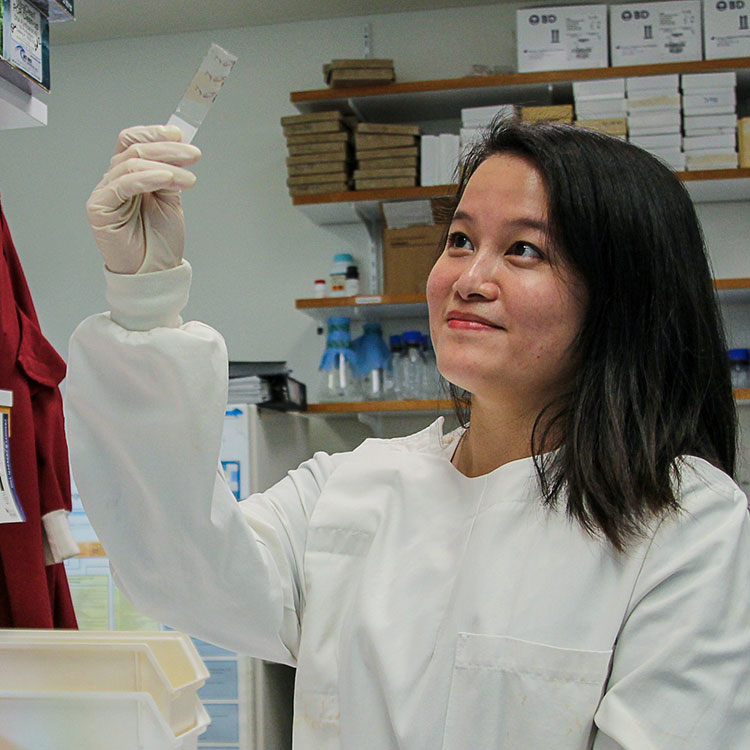
The Kids Research Institute Australia researchers have been awarded five of eight State Government awards designed to help cover the hidden costs of conducting research.

Eight The Kids Research Institute Australia researchers are among those who have received grant funding from the Telethon-Perth Children’s Hospital Research Fund (TPCHRF).