Skip to content

Search

Parent-reported atypical development in the first year of life and age of autism diagnosis

This study examined whether parent-reported atypical development in their child's first year was associated with age of diagnosis and age when parents first needed to consult a specialist about their child's development.

Community perspectives on the appropriateness and importance of support goals for young autistic children

Researchers do not know much about what autistic adults, parents and professionals think about support goals for young autistic children. People's views of support goals might also be influenced by their beliefs about early support more generally. This survey involved 87 autistic adults, 159 parents of autistic children and 80 clinical professionals living in New Zealand and Australia.

Reliability, Validity and Acceptability of the PEDI-CAT with ASD Scales for Australian Children and Youth on the Autism Spectrum

The PEDI-CAT (ASD) is used to assess functioning of children and youth on the autism spectrum; however, current psychometric evidence is limited. This study aimed to explore the reliability, validity and acceptability of the PEDI-CAT (ASD) using a large Australian sample. 

Empathy and Autism: Establishing the Structure and Different Manifestations of Empathy in Autistic Individuals Using the Perth Empathy Scale

There is a common mischaracterisation that autistic individuals have reduced or absent empathy. Measurement issues may have influenced existing findings on the relationships between autism and empathy, and the structure of the empathy construct in autism remains unclear.

Do sex hormones at birth predict later-life economic preferences? Evidence from a pregnancy birth cohort study: Hormones at birth and preferences

Economic preferences may be shaped by exposure to sex hormones around birth. Prior studies of economic preferences and numerous other phenotypic characteristics use digit ratios (2D : 4D), a purported proxy for prenatal testosterone exposure, whose validity has recently been questioned. We use direct measures of neonatal sex hormones (testosterone and oestrogen), measured from umbilical cord blood (n = 200) to investigate their association with later-life economic preferences (risk preferences, competitiveness, time preferences and social preferences) in an Australian cohort (Raine Study Gen2).

One-of-a-kind autism service offers new hope to families

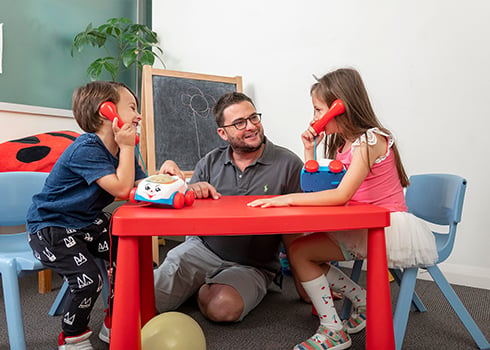
Western Australian babies and children with autism and developmental delay will be able to access world-first therapies and interventions backed by the latest research, thanks a unique clinical service developed by The Kids Research Institute Australia.

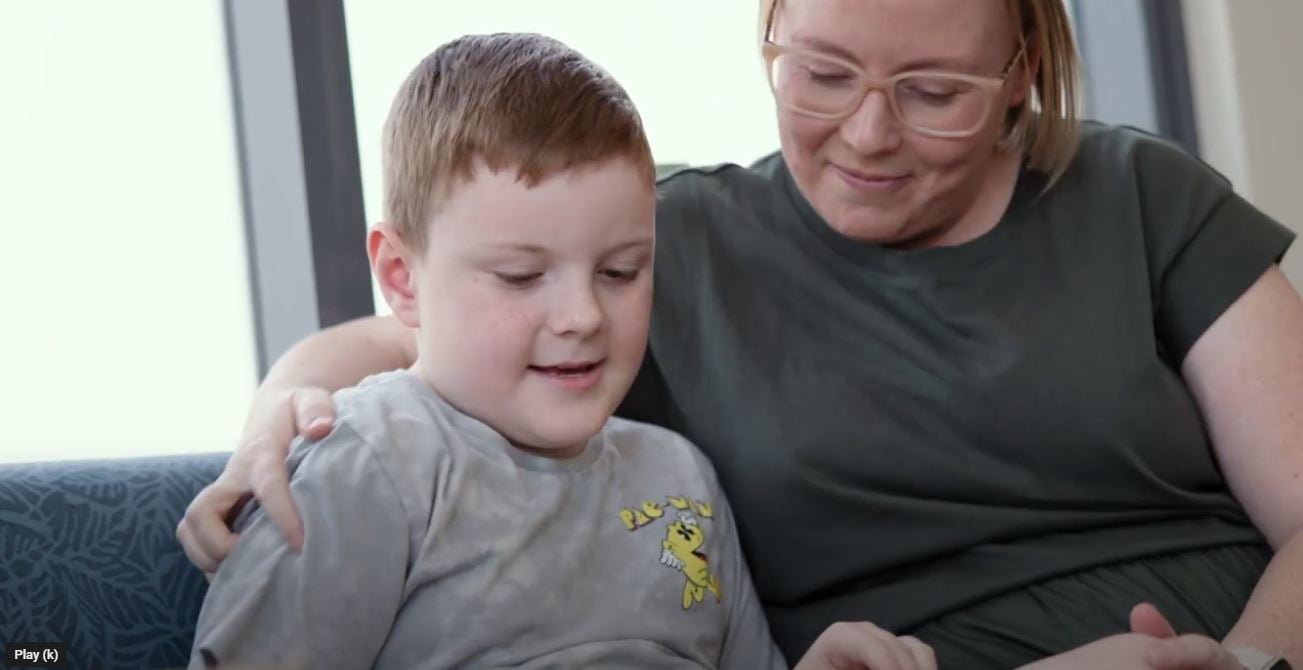
Tate is in good hands at CliniKids

Discover how this family is benefitting from CliniKids' evidence-based therapies.