
Search
Whole-brain structural covariance analyses revealed subtle changes of connectivity of the default-mode, executive control, salience, motor, and auditory networks in UHR individuals for psychosis

Senior Research Officer
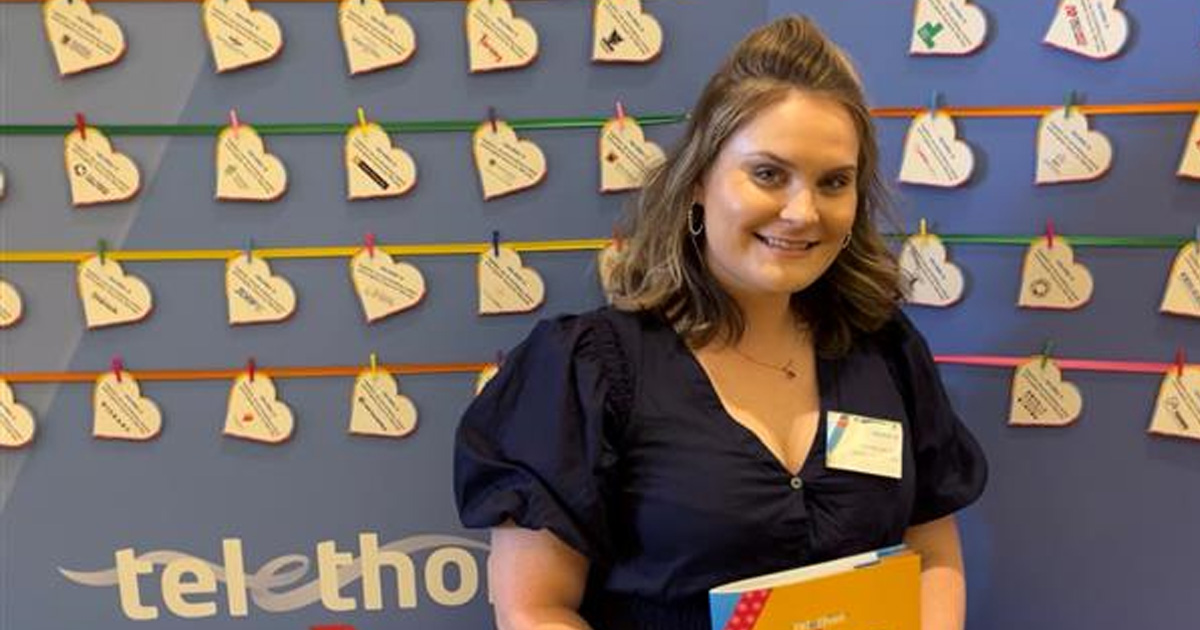
The generous support of West Australians through Channel 7’s Telethon Trust will help support vital child health research at The Kids Research Institute Australia in 2023.
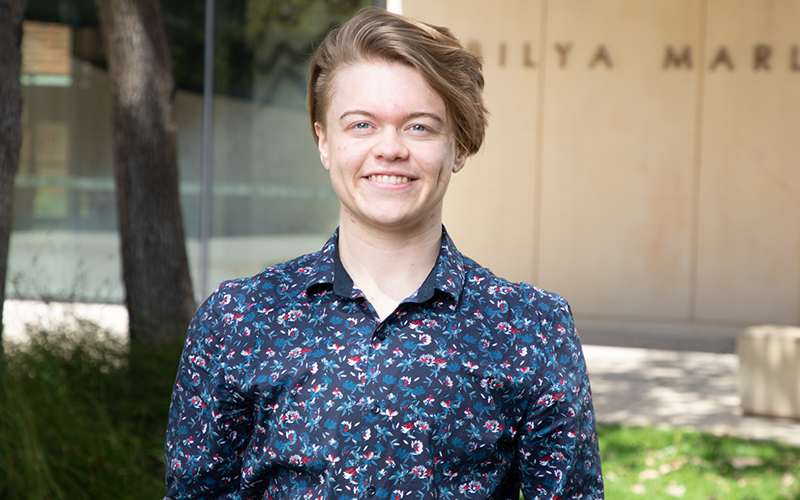
Youth mental health researcher named joint winner of the Shell Aboriginal STEM Student of the Year category at the 2022 Western Australian Premier’s Science Awards.
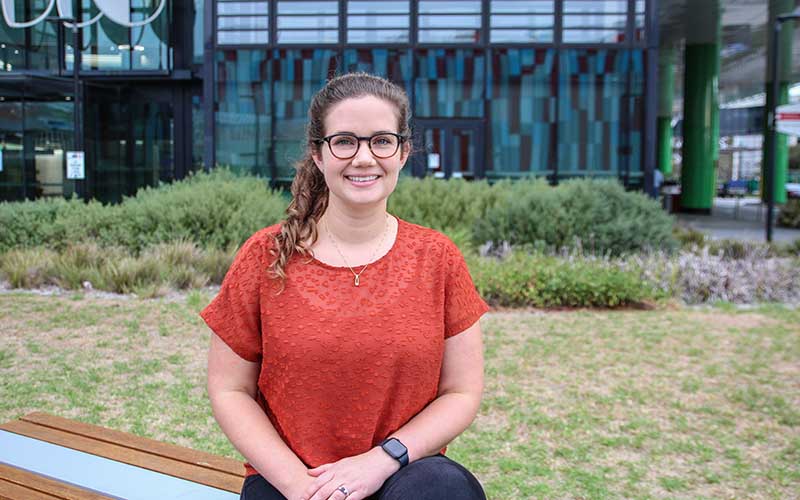
Dr Penelope Strauss will use a prestigious Post-Doctoral Fellowship from Suicide Prevention Australia to develop and trial a world-first intervention.

With COVID-19 restrictions starting to lift and families resuming some level of ‘normal life’, it is natural to have mixed feeling during this time, says The Kids mental health researcher.
Perinatal emotional well-being is more than the presence or absence of depressive and anxiety disorders; it encompasses a wide range of factors that contribute to emotional well-being.
To investigate the long-term impact of recurrent otitis media (rOM) and ventilation tube insertion (VTI) in early childhood on hearing outcomes and middle-ear health three to five years later, in a prospective pregnancy cohort study.
The Future Proofing Study (FPS) was established to examine factors associated with the onset and course of mental health conditions during adolescence. This paper describes the design, methods, and baseline characteristics of the FPS cohort.
STUDY QUESTION: Does mental health and behaviour differ between those conceived with and those conceived without ART? SUMMARY ANSWER: Our study observed less externalizing behaviour (delinquent/aggressive), and more parent-reported internalizing behaviour, as well as more (clinical) depression at age 14 years, in adolescents conceived after ART compared to their non-ART counterparts.