
Search
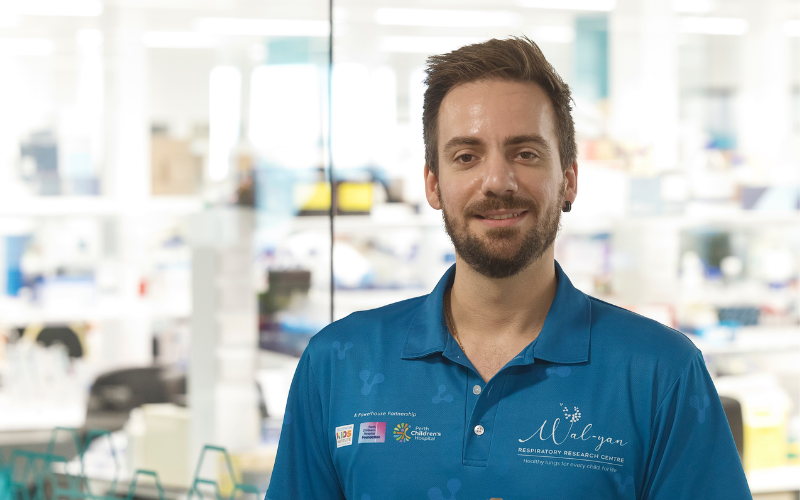
As the Wal-yan Respiratory Research Centre turns three, we celebrate our achievements, and say thank you to our amazing community.
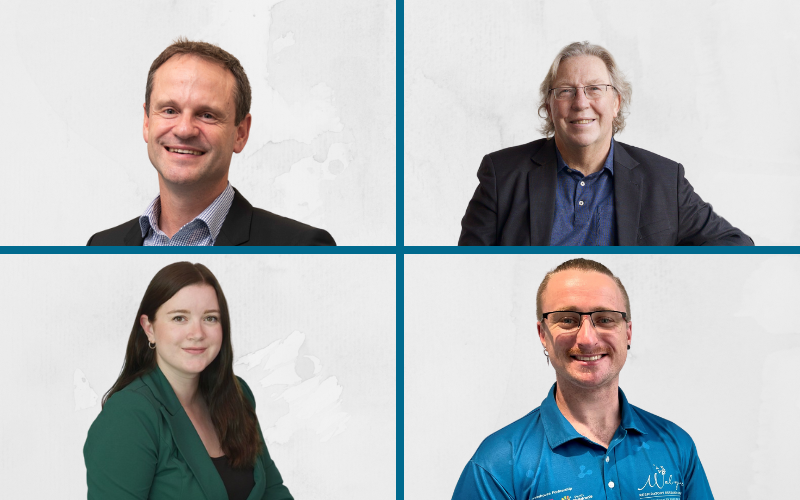
Four outstanding researchers from the Wal-yan Centre - Professor André Schultz, Professor Stephen Stick, Rebecca Watson and Michael Beaven - have been presented with prestigious awards in acknowledgement of their research aimed at improving the lives of children with respiratory illness.
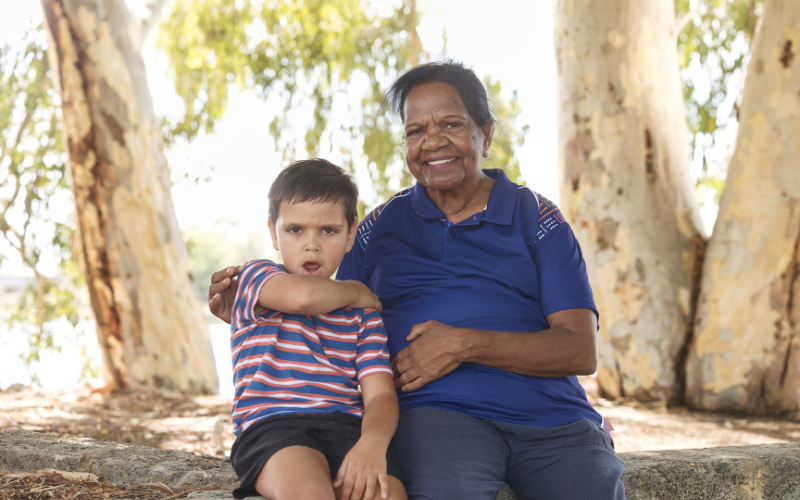
An intensive health promotion campaign which aims to raise awareness of the dangers of a chronic wet cough in Aboriginal children launched this month in Perth.
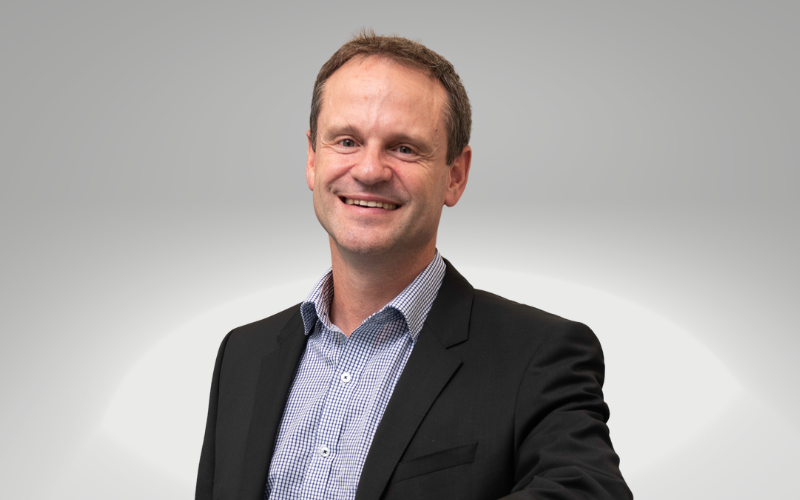
In an exciting development for the Wal-yan Respiratory Research Centre, Professor André Schultz has been appointed as the Centre’s new Head, succeeding Professor Stephen Stick.
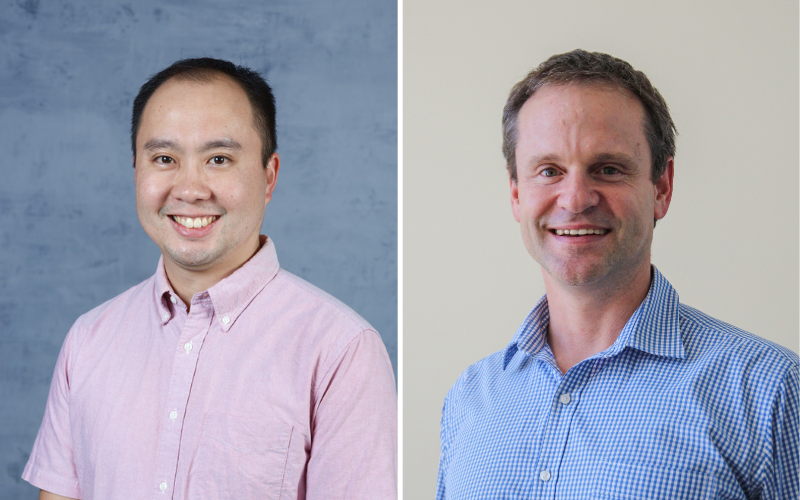
Wal-yan Respiratory Research Centre researchers will use almost $1.2 million in WA Child Research Fund grants to determine why Indigenous children develop bronchiectasis at such high rates after contracting bronchiolitis, and to test a promising novel treatment for respiratory syncytial virus (RSV).
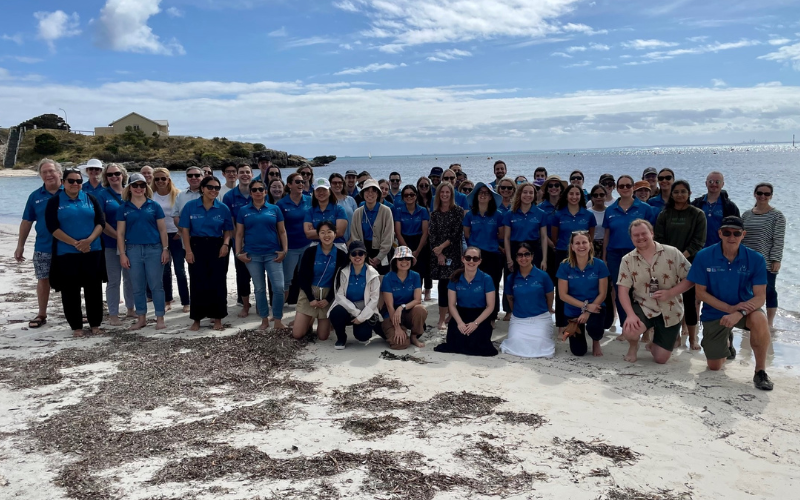
The Wal-yan Respiratory Research Centre's dedicated team members, along with special guests, embarked on a journey to Wadjemup (Rottnest Island) on 9 and 10 November.
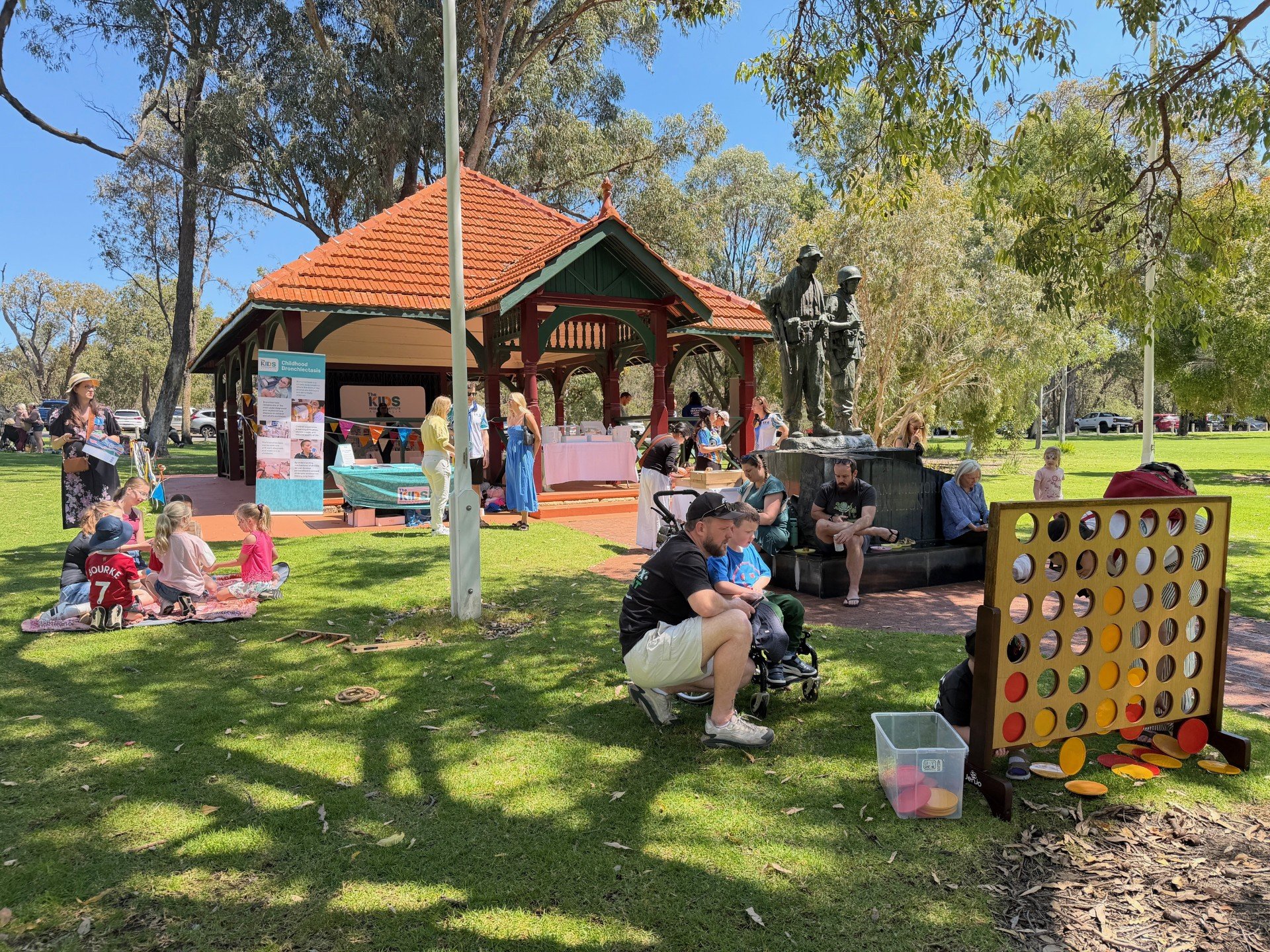
Families affected by bronchiectasis gathered in Kings Park recently for a special event hosted by the BRIGHT Study team, celebrating community, connections, and conversations.

The agenda of sessions for day two
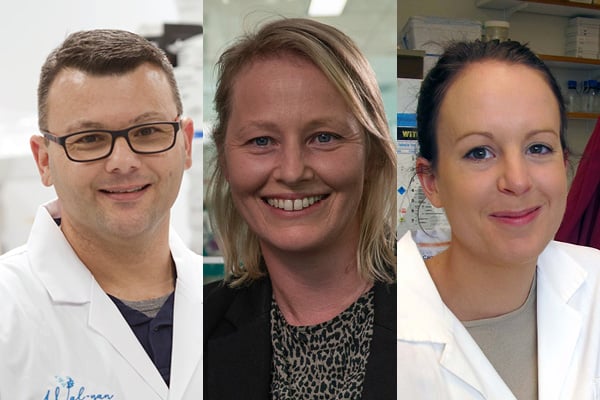
Three researchers from the Wal-yan Respiratory Research Centre will share in almost $1.8 million in grants to continue groundbreaking research to tackle childhood asthma prevention and lung disease.
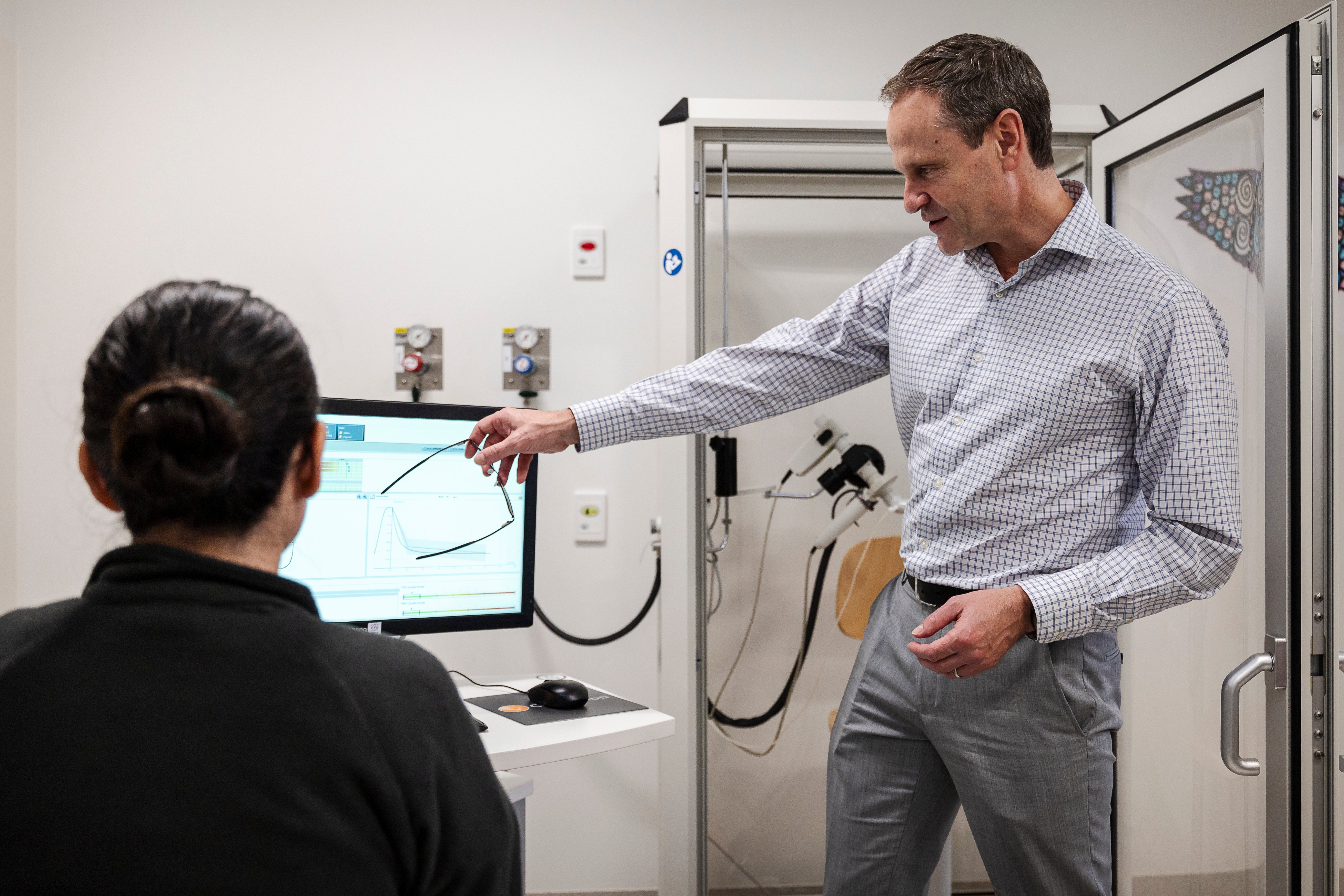
A new paper published in Frontiers in Pediatrics offers clinicians a practical roadmap to improve healthcare outcomes for Indigenous children, starting with respect, communication, and cultural understanding.

Researchers from the Wal-yan Respiratory Research Centre are proud to be part of this prestigious event, contributing their expertise to the Congress' outstanding scientific programme.
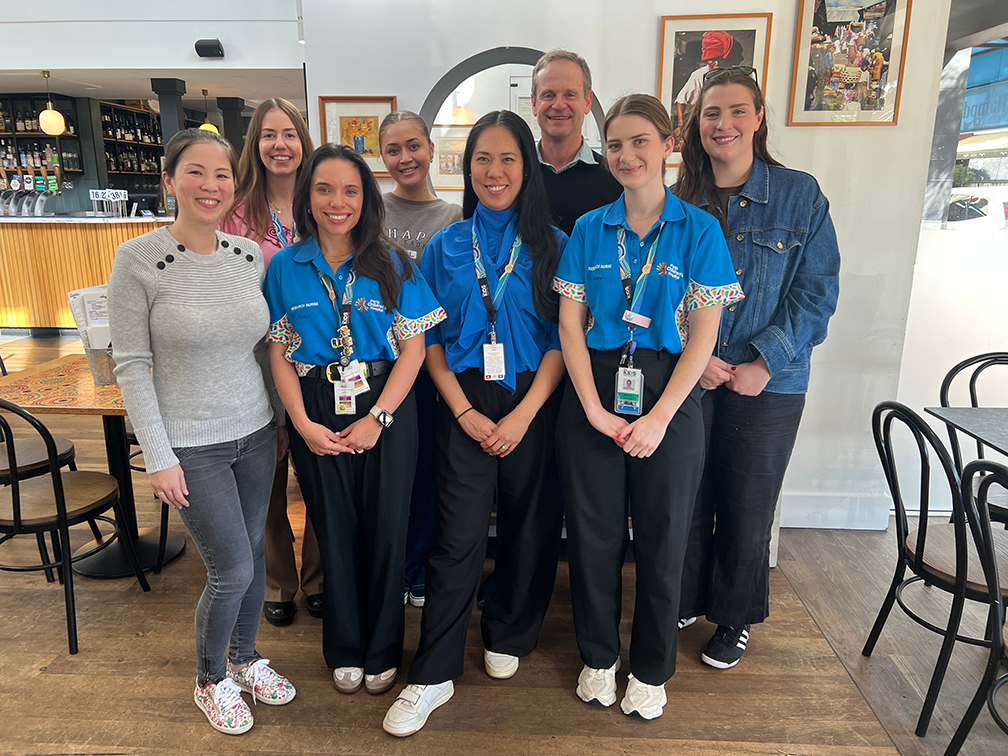
The Metabolomics to Predict Asthma (MAP) study has reached an important turning point. After examining the ‘chemical fingerprints’ of more than 300 children, the team is now taking a new approach, turning to proteins to better understand which young children with recurrent wheeze go on to develop asthma.
Four outstanding researchers from the Wal-yan Centre - Professor André Schultz, Professor Stephen Stick, Rebecca Watson and Michael Beaven - have been presented with prestigious awards in acknowledgement of their research aimed at improving the lives of children with respiratory illness.
In an exciting development for the Wal-yan Respiratory Research Centre, Professor André Schultz has been appointed as the Centre’s new Head, succeeding Professor Stephen Stick.