
Search
It is likely that young people who are both Aboriginal and Torres Strait Islander and LGBTQA+ would be at increased risk for poor mental health outcomes due to the layered impacts of discrimination they experience; however, there is very little empirical evidence focused on the mental health and wellbeing of Aboriginal and Torres Strait Islander LGBTQA+ young people. The current study represents a qualitative exploration of wellbeing among Aboriginal LGBTQA+ young people.
Despite significant improvements in pediatric cancer survival outcomes, there remain glaring disparities in under-represented racial and ethnic groups that warrant mitigation by the scientific and clinical community. To address and work towards eliminating such disparities, the Pacific Pediatric Neuro-Oncology Consortium (PNOC) and Children's Brain Tumor Network (CBTN) established a Diversity, Equity, and Inclusion (DEI) working group in 2020. The DEI working group is dedicated to improving access to care for all pediatric patients with central nervous system (CNS) tumors, broadening diversity within the research community, and providing sustainable data-driven solutions.
Type 2 diabetes mellitus (T2DM) is highly prevalent within the Indigenous Australian community. Novel glucose monitoring technology offers an accurate approach to glycaemic management, providing real-time information on glucose levels and trends. The acceptability and feasibilility of this technology in Indigenous Australians with T2DM has not been investigated.
Most estimates of stroke incidence among Aboriginal and Torres Strait Islander (hereinafter Aboriginal) Australians are confined to single regions and include small sample sizes. We aimed to measure and compare stroke incidence in Aboriginal and non-Aboriginal residents across central and western Australia.
Many Aboriginal and Torres Strait Islander people living on Kaurna Country in northern Adelaide experience adverse health and social circumstances. The Taingiwilta Pirku Kawantila study sought to understand challenges facing Aboriginal and Torres Strait Islander communities and identify solutions for the health and social service system to promote social and emotional wellbeing.
To generate contemporary age-specific mortality rates for Indigenous and non-Indigenous Australians aged <65 years who died from rheumatic heart disease between 2013 and 2017, and to ascertain the underlying causes of death of a prevalent RHD cohort aged <65 years who died during the same period.
The Indigenous peoples of Australia have a rich linguistic and cultural history. How this relates to genetic diversity remains largely unknown because of their limited engagement with genomic studies. Here we analyse the genomes of 159 individuals from four remote Indigenous communities, including people who speak a language (Tiwi) not from the most widespread family (Pama-Nyungan). This large collection of Indigenous Australian genomes was made possible by careful community engagement and consultation.
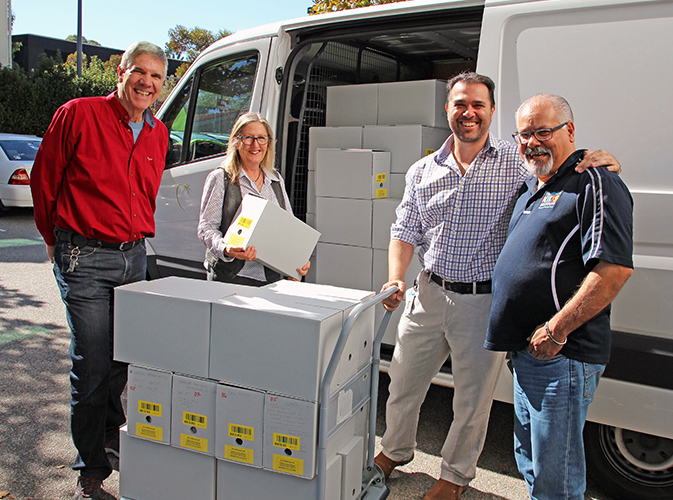
The landmark Western Australian Aboriginal Child Health Survey has been placed into archiving at the State Library of Western Australia to be preserved for future generations.
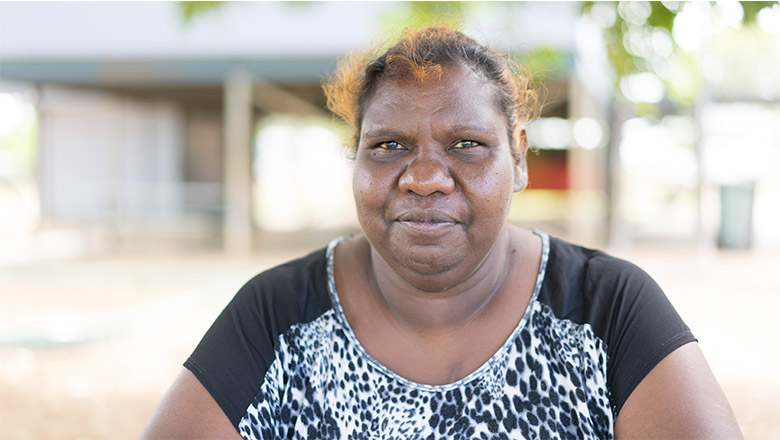
Aboriginal women in Western Australia's Kimberley region will be become qualified as community health researchers thanks to a grant awarded to The Kids.
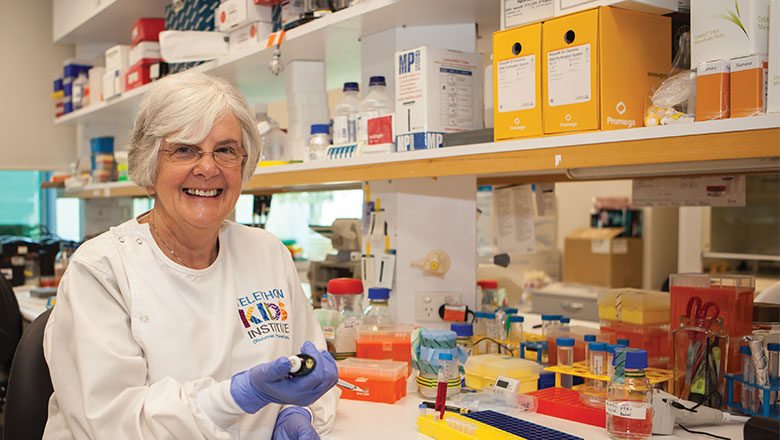
Winning the support of a remote Aboriginal community paved the way for a pioneering genetics study.