
Search

The Kids Research Institute Australia researchers have been awarded more than $10 million in research funding from the National Health and Medical Research Council (NHMRC).
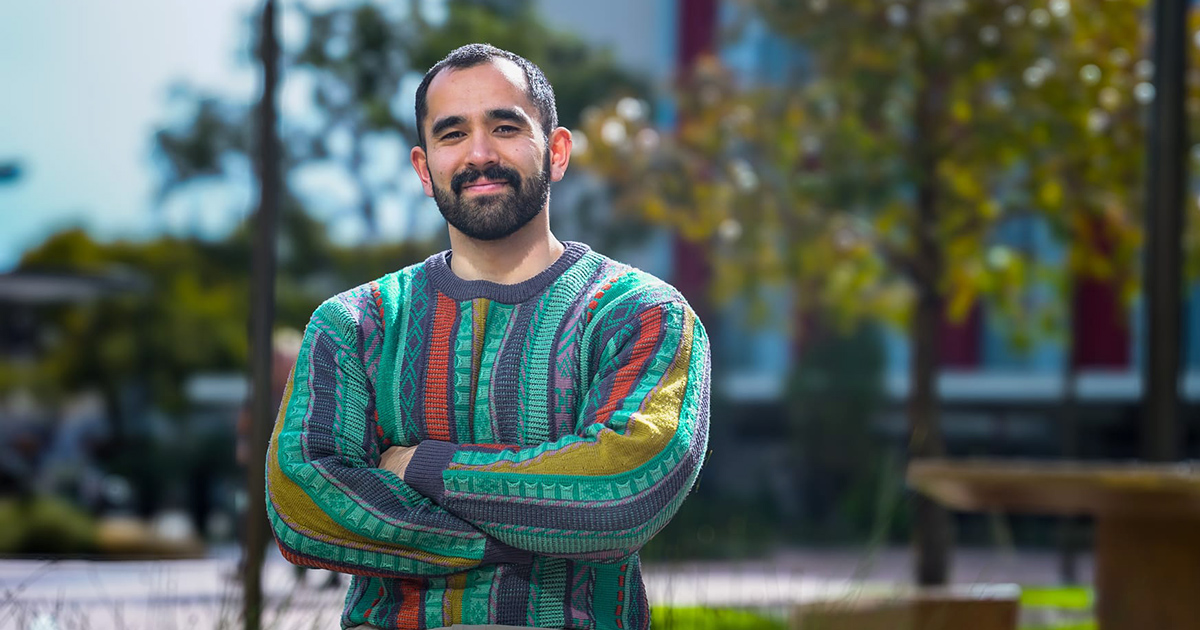
Dr Vincent Mancini, a Senior Research Fellow at The Kids Research Institute Australia, has been awarded a prestigious three-year Fellowship to develop and implement an intervention to support the welfare of regional WA fathers and families in the neonatal intensive care unit (NICU).
Dyadic interventions targeting maternal mental health and the mother-infant relationship in the perinatal period are critical due to the potential consequences of perinatal mental illness and relational disturbance for the mother, the infant, and their family. This paper describes the Pregnancy to Parenthood (P2P) model of care, a dyadic mother-infant community-based program designed to support vulnerable families in Western Australia in the context of an identified need to build workforce capacity.
Regular exercise can be beneficial for people living with a severe mental illness. By better understanding the perspectives and challenges of adults with severe mental illness who are engaged in exercise, we can enhance the design and implementation of exercise programs to better support their mental health and recovery.
Meaningful involvement of young People with Lived Experience (PWLE) in co-designing youth mental health interventions has been much emphasized globally. However, there is a scarcity of evidence on involving PWLE of mental health problems in designing, implementing and evaluating mental health interventions, especially in Low- and Middle-Income Countries.
Alexithymia is characterised by difficulties identifying and describing feelings, as well as a lack of focus on feelings. Alexithymia is a transdiagnostic risk factor for developing a wide array of psychopathologies, such as anxiety and depression, with a key hypothesised mechanism being the impairing impact of alexithymia on emotion regulation competency. However, no study has tested whether difficulties with emotion regulation mediate the link between alexithymia and psychopathological symptoms using longitudinal designs.
Transgender and gender diverse (“trans”) people are more likely to experience adverse mental health outcomes due to the social adversities that are commonly experienced. One ameliorating factor for poor mental health outcomes can be connection to community, often facilitated in online spaces such as TikTok.
Globally, Indigenous peoples have incurred significant harm due to colonisation of their lands. Dispossession of culture, language, family and land, and the historical, systematic removal of children in Australia (the ‘Stolen Generation’), has resulted in evident ongoing negative outcomes in the contemporary lives of Aboriginal and Torres Strait Islander people.
Parents of children with acute lymphoblastic leukaemia (ALL) experience emotional distress throughout their child's treatment course. This study describes the psychological experience of Australian and New Zealand parents of children diagnosed with ALL.
Many trans young people seek mental health support and gender-affirming medical interventions including puberty suppression, gender-affirming hormones and/or surgeries. Trans young people and their parents face multiple barriers in accessing gender-affirming care and mental health support, however little is known about the parent perspective on accessing services for their trans child.