
Search
This article discusses the rising prevalence of pertussis disease in countries which have switched to acellular vaccines.
This study aimed to determine factors associated with severe pertussis in hospitalized children during an epidemic using a novel pertussis severity scoring...
In the longest reported follow-up of infants who received aP vaccine at birth, we found a trend to lower PT IgG antibodies post booster compared with receipt...
Without a booster dose, the effectiveness of 3 doses waned more rapidly from 2 to 4 years of age than previously documented for children >6 years of age who...
Adult pertussis vaccination is increasingly recommended to control pertussis in the community. However, there is little data on the duration and kinetics of immunity to pertussis boosters in adults. We compared IgG responses to vaccination with a tetanus, low-dose diphtheria, low-dose acellular pertussis (Tdap) booster at 1 week, 1 month and 1 year post-vaccination in whole-cell (wP)-primed Australian paediatric healthcare workers who had received an adult Tdap booster 5-12 years previously, to those who received their first Tdap booster. Tdap vaccination was well tolerated in both groups.
Overall, infant immunisation coverage is currently >90% in Australia, but there are pockets of under-immunised children including children from migrant backgrounds.
Adult pertussis vaccination is increasingly recommended to control pertussis in the community. However, there is little data on the duration and kinetics of immunity to pertussis boosters in adults. We compared IgG responses to vaccination with a tetanus, low-dose diphtheria, low-dose acellular pertussis (Tdap) booster at 1 week, 1 month and 1 year post-vaccination in whole-cell (wP)-primed Australian paediatric healthcare workers who had received an adult Tdap booster 5-12 years previously, to those who received their first Tdap booster.
Multi-jurisdictional cohort of mother-infant pairs to measure the uptake, safety and effectiveness of antenatal IIV and dTpa vaccines in three Australian jurisdictions
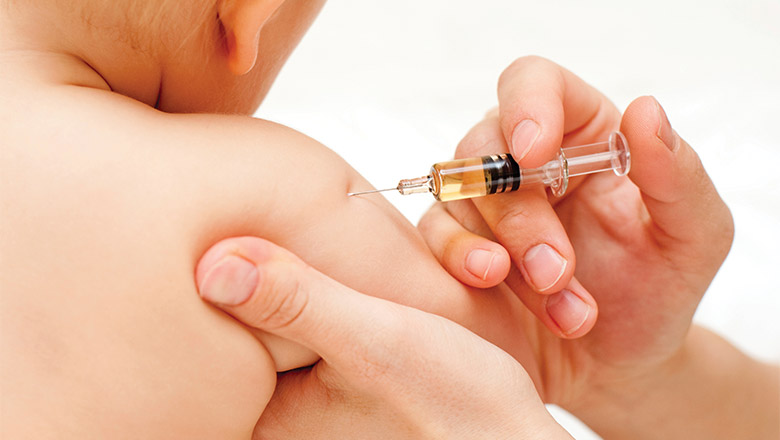
Toddlers will now get an additional whooping cough vaccine to protect them against the potentially deadly disease.

An extra whooping cough vaccination for babies comes as a result of work by researchers at the Wesfarmers Centre of Vaccines and Infectious Diseases.