
Search

A lung function study carried out by Dr Shannon Simpson provided the most comprehensive follow-up of very pre-term children of any study so far carried out on the lung health of this vulnerable group.
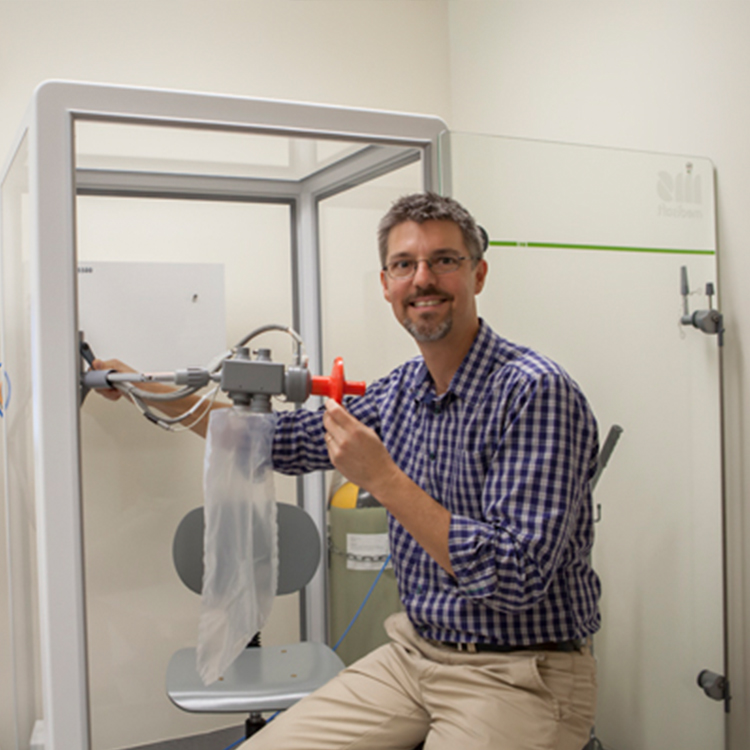
A global research network has taken another step towards standardising the way doctors interpret commonly used lung function tests.
This prospective, longitudinal cohort study will examine airway sputum, lung function, and clinical surveillance data of children with bronchiectasis attending Perth Children’s Hospital.
This research project will investigate the traits of preterm lung disease, looking into the long-term lung health of children born preterm, aiming to identify traits that could help guide better treatments in the future.
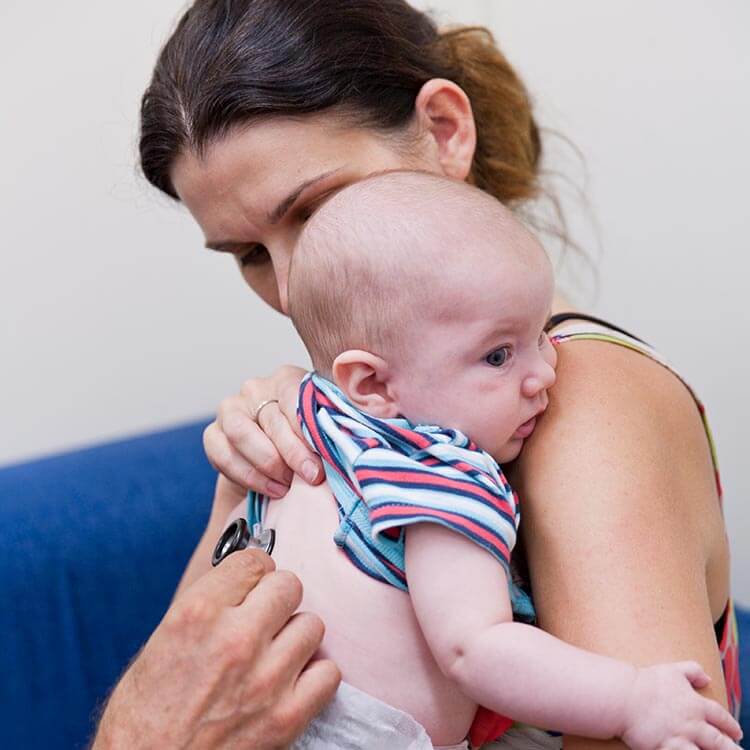
A groundbreaking WA trial, published in The Lancet, has determined that a laryngeal mask for babies is preferred over endotracheal tube during minor surgeries
In this review, we have examined the role of lung function testing in infants and preschool children with CF.
In infants and children with chronic respiratory disease, hypoxia is a potential risk of aircraft travel.
Advances in statistical modelling have allowed the creation of smoothly changing spirometry reference ranges that apply across a wide age range and better...
We investigated predictors of nasopharyngeal carriage in Australian Aboriginal and non-Aboriginal children.
The aim of our study was to determine the contribution of secular trends and sample size to lung function reference equations, and establish the number...