
Search

Early in the consultation phase of the project, local Elders through Hedland Aboriginal Strong Leaders, education representatives and others identified that vulnerable families needed help navigating and accessing local support services that were already available in Port Hedland.
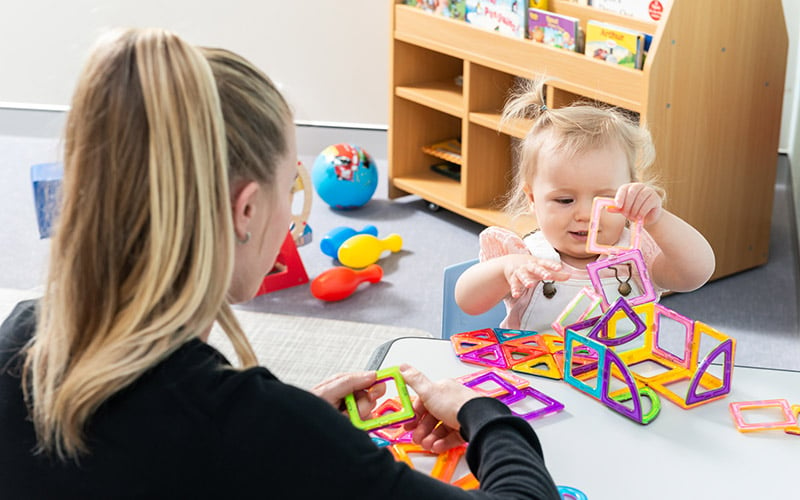
Learn more about the TOTS Study at CliniKids
Learn more about the SenseVest Study at CliniKids
Learn more about the LAMP Study at CliniKids
Our researchers have published many papers in world-leading paediatric autism and developmental delay journals. Browse their most recently published work here.
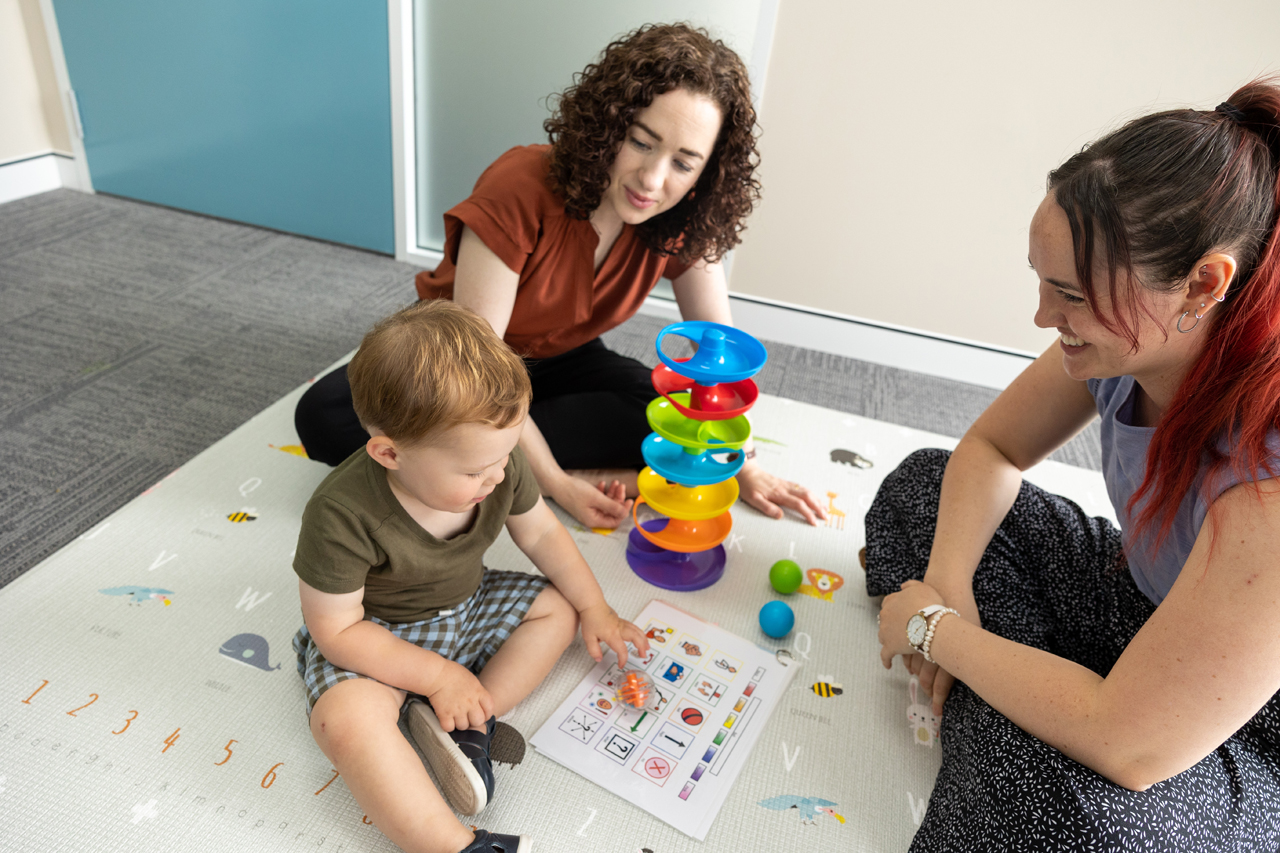
In this blog, you can read about one of the most common tools used in the autism diagnostic process – the Autism Diagnostic Observation Schedule.
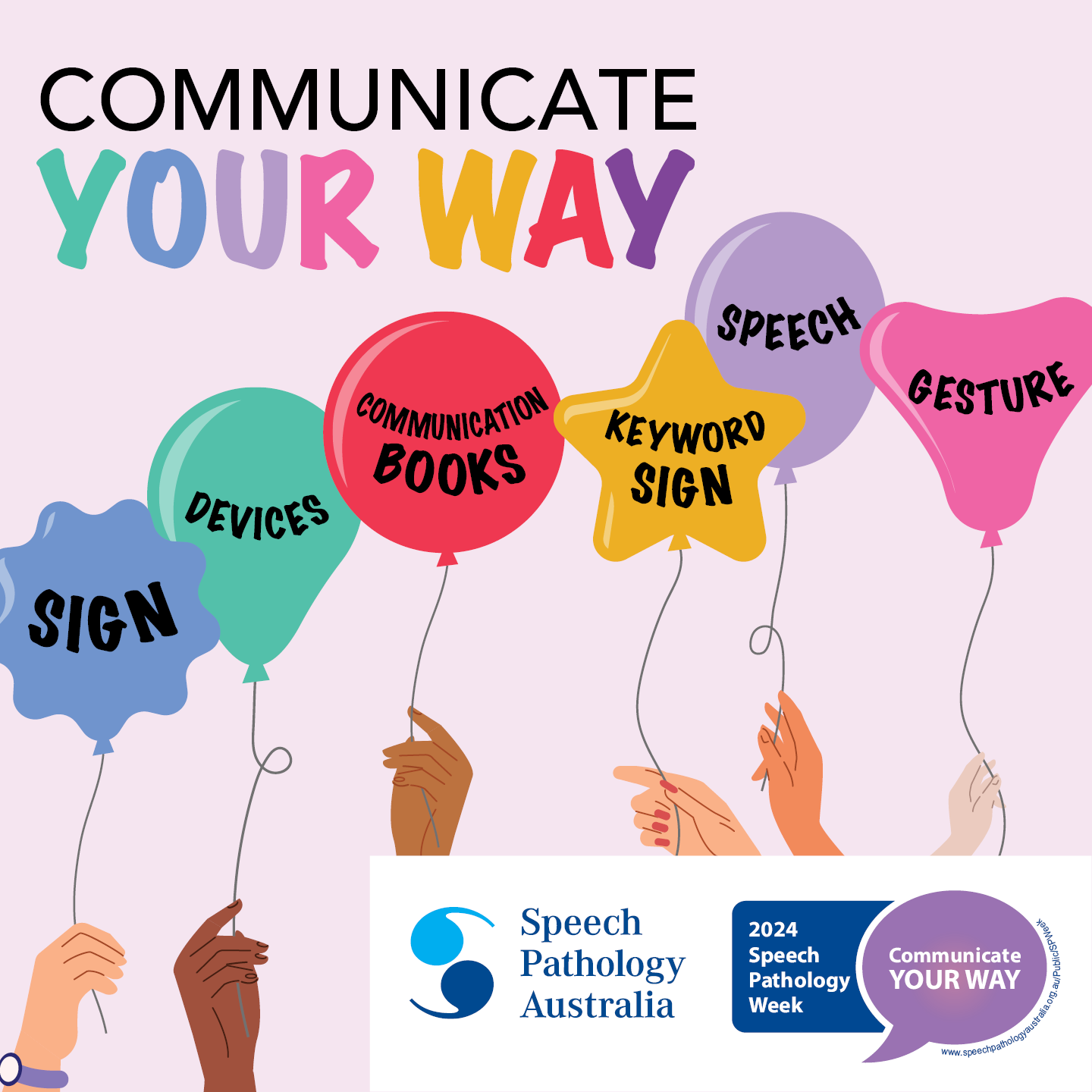
To kick off Speech Pathology Week 2024, we asked our clients, their families and the community to share the different ways they communicate. Senior Speech Pathologist Sally Grauaug compiled their ideas and feedback into this blog.

In this blog, Curtin University Occupational Therapy student Emily Mower shares some tips to help your child successfully brush their teeth.

In this blog, Speech Pathology Clinical Lead Aria May and Occupational Therapy Clinical Lead Marie Rodatz share their top tips for making the most of nappy changes to help create more opportunities for connection.

In this blog, Clinical Psychologist and Clinical Lead (Psychology) Dr Mei’en Lim offers families — both parents and children — advice on how to embrace boredom.