
Search
Despite evidence suggesting regular exercise (i.e. structured, repetitive and purposeful physical activity) attenuates cardiac patients’ decline in health, our understanding of factors affecting long-term exercise participation among this patient cohort is limited. This problem is pertinent, given that less than half of cardiac patients adhere to exercise following discharge from formal exercise-based rehabilitation programmes. In this study, we explored factors influencing exercise participation after an outpatient cardiac rehabilitation programme.
There is an urgent need for scalable interventions to promote physical activity in early childhood. An early childhood education and care physical activity policy intervention with implementation support strategies (Play Active) has been proposed for scale-up in Australia.
A main challenge identified by youth during exercise and sport is the lack of knowledge and awareness around type 1 diabetes (T1D) particularly in community sport settings. Working with youth living with T1D, parents and community sport coaches, our team has developed resources for the T1D and sporting community. This study was to evaluate the acceptability and usability of the resources.
Current methods for assessing the healthfulness of 24-hour movement behaviours (sleep, sedentary time, light physical activity, moderate-to-vigorous physical activity) use binary classifications that fail to capture their continuous and compositional nature. This study introduces a percentile-based scoring and visualization approach to evaluate the healthfulness of movement behaviour time-use compositions, using social-emotional development in early childhood as an example.
While international evidence suggests seasonal variations may influence outcomes of interventions for pediatric obesity, data for Aotearoa New Zealand are limited. We examined seasonal variations in changes in body mass index standard deviation score (BMI SDS) in young people with obesity enrolled in an intervention programme.
Children with neurodevelopmental, emotional, or behavioural challenges participate in lower levels of physical activity (PA) and subsequently have poorer physical and mental health outcomes. We sought to determine the feasibility and preliminary efficacy of a multi-component physical literacy program for children with neurodevelopmental, emotional, or behavioural challenges.
The long-term cardiopulmonary outcomes following preterm birth during the surfactant era remain unclear. Respiratory symptoms, particularly exertional symptoms, are common in preterm children. Therefore, cardiopulmonary exercise testing may provide insights into the pathophysiology driving exertional respiratory symptoms in those born preterm. This review aims to outline the current knowledge of cardiopulmonary exercise testing in the assessment of children born preterm in the surfactant era.
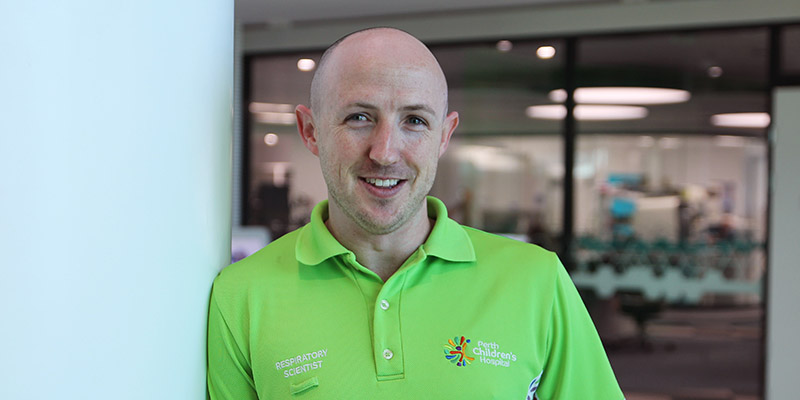
Parents of children born prematurely have expressed concerns about their child’s lung health when they exercise, with symptoms such as breathlessness.

The Kids Research Institute Australia and The University of Western Australia researchers have been awarded more than $1 million in funding from Healthway, for projects to improve the mental health of LGBTQA+ young people, encourage early physical activity in childcare centres and create healthier local environme
The declining mental health of youth in late adolescence and early adulthood represents a serious public health concern, resulting in substantial symptom burden, mortality, and societal cost. Despite this, youth with clinical mental illnesses show poor engagement with mental health services.