
Search
Mitochondria rely on coordinated expression of their own mitochondrial DNA (mtDNA) with that of the nuclear genome for their biogenesis. The bacterial ancestry of mitochondria has given rise to unique and idiosyncratic features of the mtDNA and its expression machinery that can be specific to different organisms. In animals, the mitochondrial protein synthesis machinery has acquired many new components and mechanisms over evolution.
Mitophagy preserves overall mitochondrial fitness by selectively targeting damaged mitochondria for degradation. The regulatory mechanisms that prevent PTEN-induced putative kinase 1 (PINK1) and E3 ubiquitin ligase Parkin (PINK1/Parkin)-dependent mitophagy and other selective autophagy pathways from overreacting while ensuring swift progression once initiated are largely elusive.
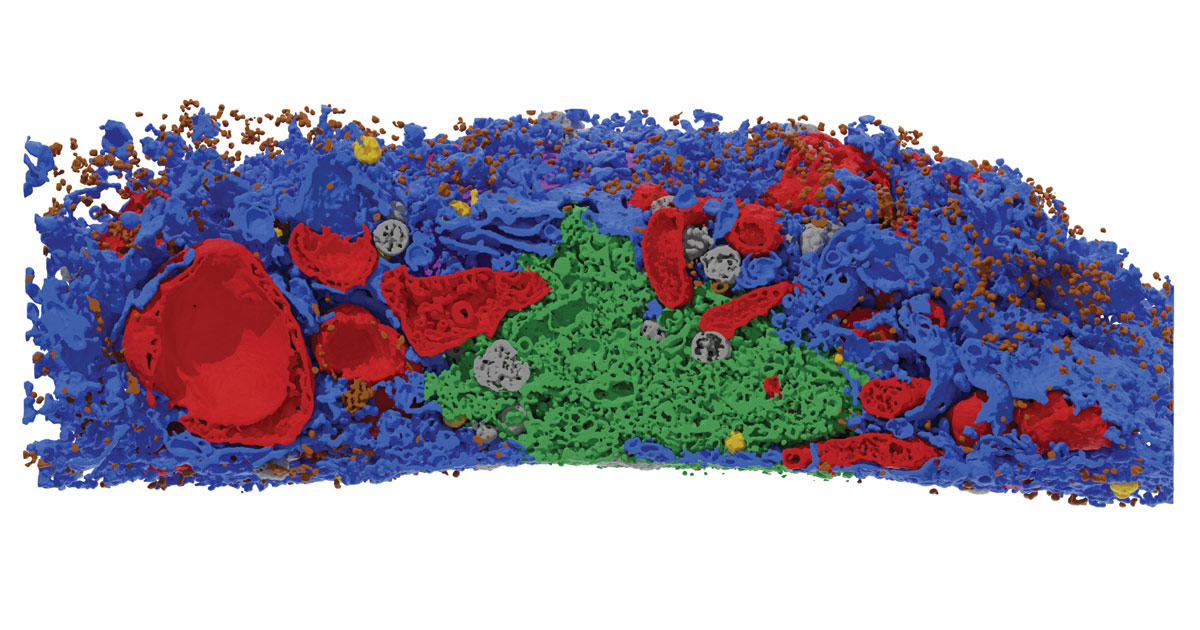
Researchers from The Kids Research Institute Australia and The University of Western Australia have developed a new technique to see inside cells with unprecedented detail, revealing a complicated web of interactions that provides new insights into how cells stay healthy.