
Search
Aboriginal and Torres Strait Islander women experience a disproportionate burden of hyperglycaemia in pregnancy. A multi-component health systems intervention aiming to improve antenatal and postpartum care was implemented across Australia’s Northern Territory (NT) and Far North Queensland (FNQ) between 2016 and 2019. Components included clinician education, improving recall systems, enhancing policies and guidelines, and embedding Diabetes in Pregnancy (DIP) Clinical Registers in systems of care. This program was evaluated to determine impacts on clinical practice and maternal health.
This chapter outlines the concept of ‘justice capital’. It commences with a discussion of the impacts of colonization on Indigenous people in Australia, with a particular focus on Indigenous children placed in state care systems.
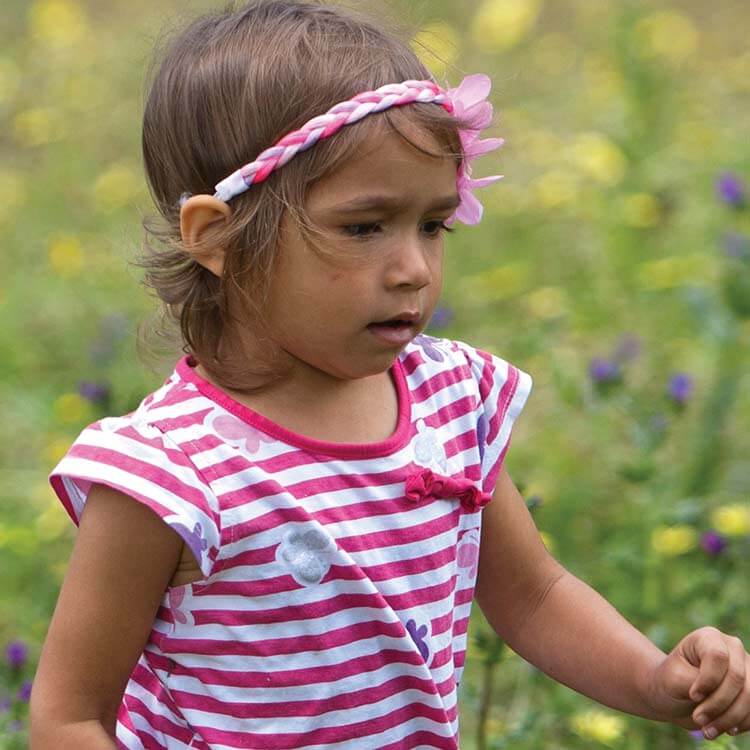
The Aboriginal Health and Wellbeing Team follows an holistic definition of Aboriginal Health which means that health is not just the physical wellbeing of an individual but includes the social, emotional and cultural wellbeing of the whole community.
Fetal alcohol spectrum disorder (FASD) is a lifelong disability of varying severity that occurs among individuals prenatally exposed to alcohol. Among Aboriginal and Torres Strait Islander (Indigenous) Australians, the effects of colonisation and ongoing racism could increase the risk of alcohol consumption during pregnancy.
While there are many skin infections, reducing the burden of scabies and impetigo for remote living Aboriginal people, particularly children remains challenging. Aboriginal children living in remote communities have experienced the highest reported rate of impetigo in the world and are 15 times more likely to be admitted to hospital with a skin infection compared to non-Aboriginal children.
To generate contemporary age-specific mortality rates for Indigenous and non-Indigenous Australians aged <65 years who died from rheumatic heart disease between 2013 and 2017, and to ascertain the underlying causes of death of a prevalent RHD cohort aged <65 years who died during the same period.
Between 1964 and 1996, the 10-year survival of patients having valve replacement surgery for rheumatic heart disease (RHD) in the Northern Territory, Australia, was 68%. As medical care has evolved since then, this study aimed to determine whether there has been a corresponding improvement in survival.
Aboriginal Australians have a fundamental human right to opportunities that lead to healthy and flourishing lives. While the impact of trauma on Aboriginal Australians is well-documented, a pervasive deficit narrative that focuses on problems and pathology persists in research and policy discourse.
Despite significant improvements in pediatric cancer survival outcomes, there remain glaring disparities in under-represented racial and ethnic groups that warrant mitigation by the scientific and clinical community. To address and work towards eliminating such disparities, the Pacific Pediatric Neuro-Oncology Consortium (PNOC) and Children's Brain Tumor Network (CBTN) established a Diversity, Equity, and Inclusion (DEI) working group in 2020. The DEI working group is dedicated to improving access to care for all pediatric patients with central nervous system (CNS) tumors, broadening diversity within the research community, and providing sustainable data-driven solutions.
It is likely that young people who are both Aboriginal and Torres Strait Islander and LGBTQA+ would be at increased risk for poor mental health outcomes due to the layered impacts of discrimination they experience; however, there is very little empirical evidence focused on the mental health and wellbeing of Aboriginal and Torres Strait Islander LGBTQA+ young people. The current study represents a qualitative exploration of wellbeing among Aboriginal LGBTQA+ young people.